

Key Takeaways
- In 2025, the FBI received more than 3,600 ransomware complaints, with reported losses of more than $32 million. Healthcare and public health were among the critical infrastructure sectors most affected by the leading ransomware variants. (IC3)
- In April 2026, HHS announced settlements tied to four separate healthcare ransomware investigations that affected more than 427,000 individuals.(HHS)
Introduction
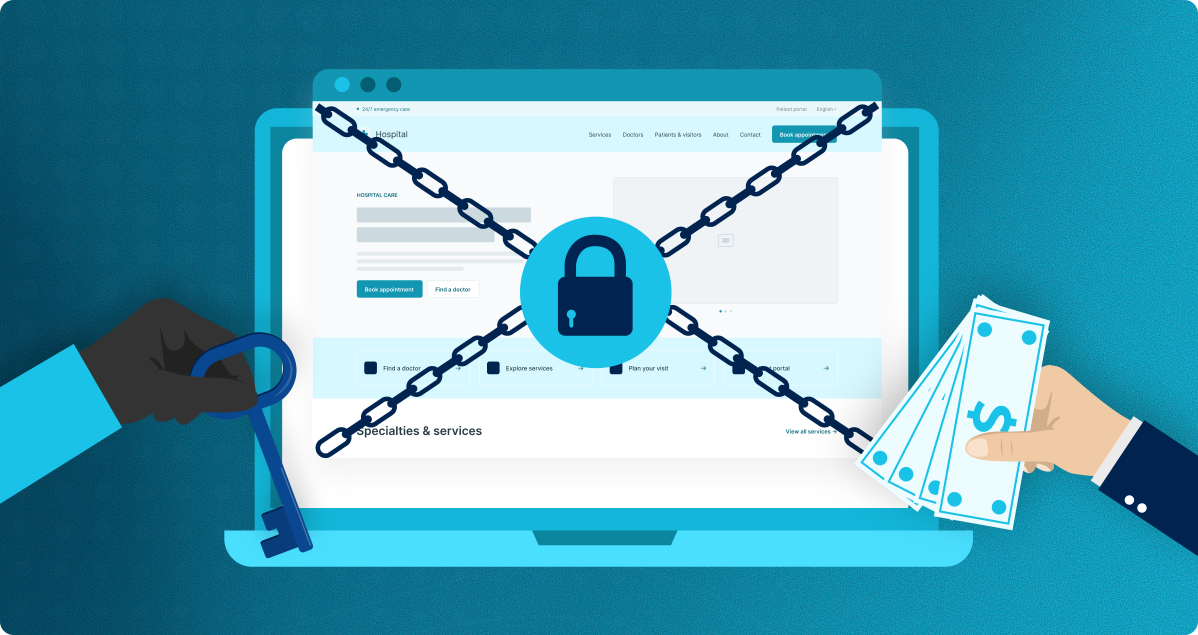
Ransomware attacks are on the rise, and no industry is safe. The motive behind such attacks is to encrypt confidential business data and demand a ransom to restore access. Many industries, including healthcare, experience ransomware attacks regularly. Patients’ records, critical operations, and life-saving systems are targeted by attackers. They can lock down data and systems within minutes, disrupting healthcare services. In serious cases, disruption can also create risks to patient care and safety. So, how can healthcare organizations reduce the risk of ransomware and respond when an attack occurs? That’s exactly what we are going to discuss in this blog.
What Are Healthcare Ransomware Attacks?
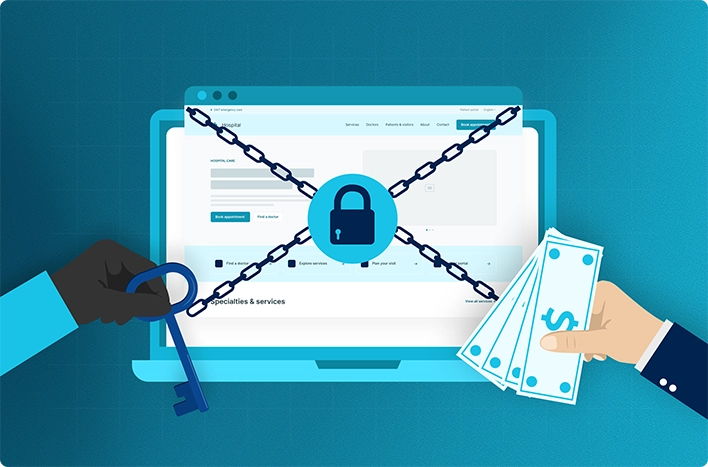
Healthcare ransomware attacks happen when cybercriminals gain access to critical systems used in healthcare organizations. Using ransomware, they block access to files, applications, or other critical resources. In some cases, they also steal sensitive information before encrypting systems. That stolen data is used to extort a ransom from organizations.
And it’s not just computers and servers that are attacked; ransomware can affect billing systems, electronic health records, and email as well. When critical systems become unavailable, healthcare staff may need to switch to manual processes, which can delay certain services or limit access while the processes are being restored.
For healthcare organizations, ransomware is not only a cybersecurity issue. It can also become an operational and patient-care risk.
Why Healthcare Is a Common Target for Ransomware
Healthcare organizations hold large amounts of sensitive data, and they also depend heavily on technology to keep their services up and running. These are what make them attractive targets for ransomware. Patient records, including medical, personal, and financial information, can be valuable to attackers.
Also, when cybercriminals attack the technology that is being used in healthcare organizations to deliver services to patients, it disrupts day-to-day operations. Staff may lose access to patients’ electronic health records, diagnostic systems may cease to function, and communication tools may meet the same fate.
For many healthcare organizations, securing the environment is a challenging task. They use a mix of modern and legacy systems, along with complicated medical devices and remote access tools. Operating these systems together on a daily basis can be complicated. Legacy systems should be patched where supported to reduce vulnerability risk. If organizations decide to replace them with modern systems, they may need to plan the transition carefully to avoid disrupting clinical workflows.
Healthcare organizations can’t afford too much delay in their operations, and this urgency is what attackers exploit. Sensitive data, operational urgency, and the use of complex technology make healthcare a frequent target for ransomware attacks.
How Ransomware Attacks Usually Start in Healthcare
Ransomware attacks in healthcare usually start with a simple entry point. Attackers gain access to the network using a phishing email or stolen login credentials. At times, an unpatched vulnerability or poorly secured remote access also paves the way for attackers into the environment.
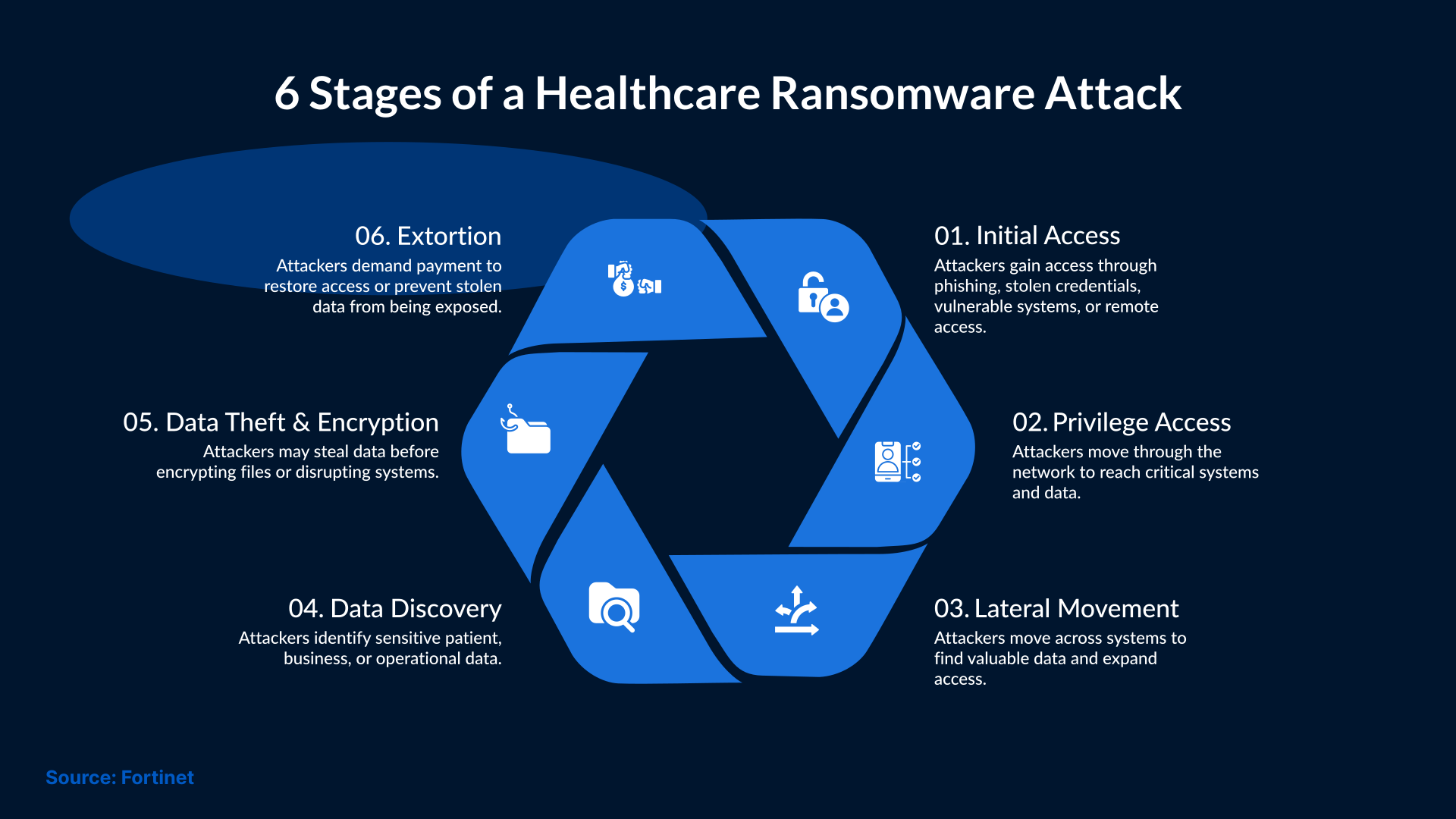
Once inside, the attacker tries to gain broader access into the environment and identify valuable data or critical operations. In some cases, attackers are able to copy sensitive information before deploying ransomware. This allows them a great opportunity to pressure the organization, even if backups are available.
Healthcare organizations also rely on third-party vendors for software and billing. Many organizations are also using vendors for cloud services and other operational functions. If any third-party vendors are compromised, the impact can spread to connected healthcare environments.
What Happens When Ransomware Hits a Healthcare Organization?
When a healthcare organization is hit by a ransomware attack, the impact doesn’t stay confined to the systems that were initially compromised. Instead, it will extend in all directions, with electronic health records, emails, billing systems, and scheduling tools becoming inaccessible to staff.
The disruption caused by the attack can slow clinical and administrative work. In more serious cases, appointments or procedures may need to be delayed, and patients may be redirected to other healthcare organizations. Teams may need to rely on manual processes until affected systems are restored.
The attack also increases the risk of data exposure. If attackers steal confidential data before deploying ransomware, the organization may have to deal with breach notification requirements along with legal costs. Most importantly, the organization may also face reputational damage that may take months or even years to repair.
The worst part of a cyber attack is that its financial impact can continue for months after the affected systems have been restored. Downtime results in lost revenue and disrupted services. The organization may also face costs related to investigating the attack and remediation.
How to Prevent Ransomware Attacks in Healthcare
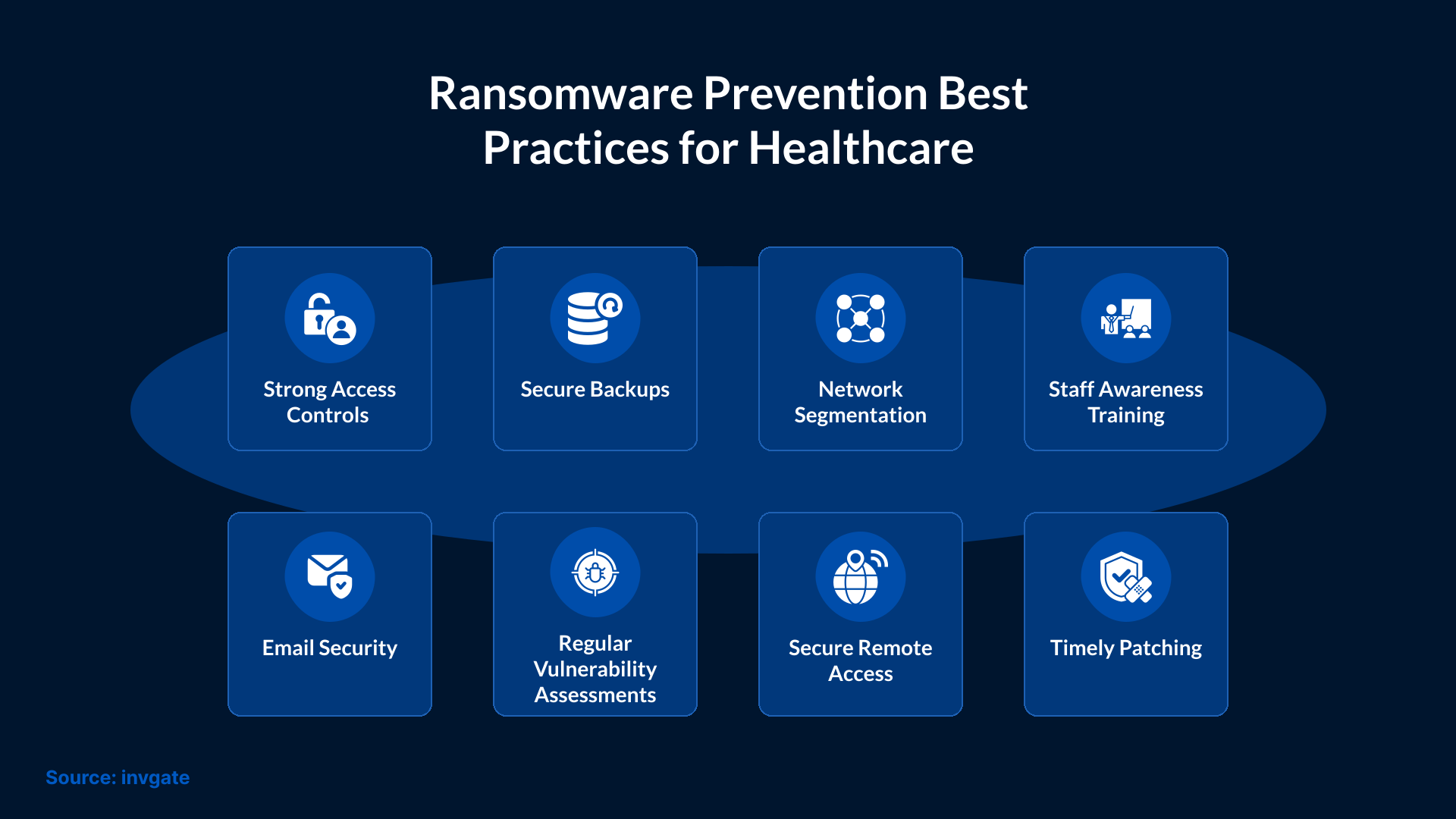
The most important step in healthcare ransomware prevention is to reduce the number of ways attackers can access critical systems. Here are some of the key steps that healthcare organizations should take to prevent ransomware attacks:
- Ensure strong identity controls, which means limiting user access to systems, applications, accounts, and sensitive data based on what they need to do their jobs.
- Timely patching of systems and software programs is crucial because unpatched or unsupported systems may contain known vulnerabilities that attackers can exploit.
- Remote access provided to staff or vendors must be secured to reduce potential entry points for attackers.
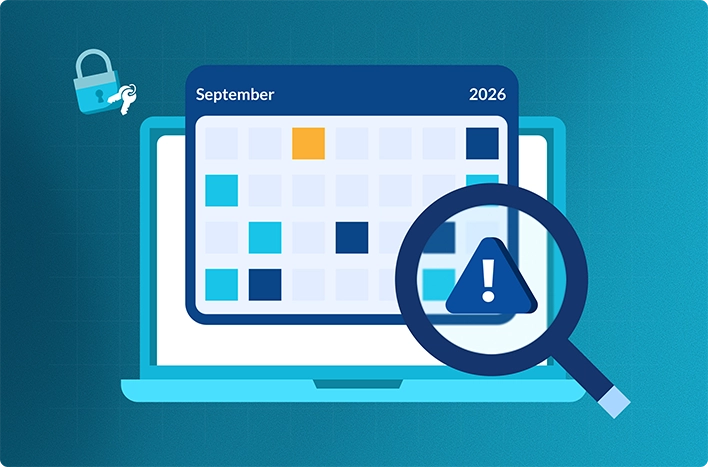
- Regular vulnerability assessments can help identify security gaps that attackers may exploit.
- Email needs close monitoring as well because attackers use phishing to deploy ransomware into an organization.
- Organizations should conduct regular security awareness training for staff to help them spot suspicious emails and report them quickly.
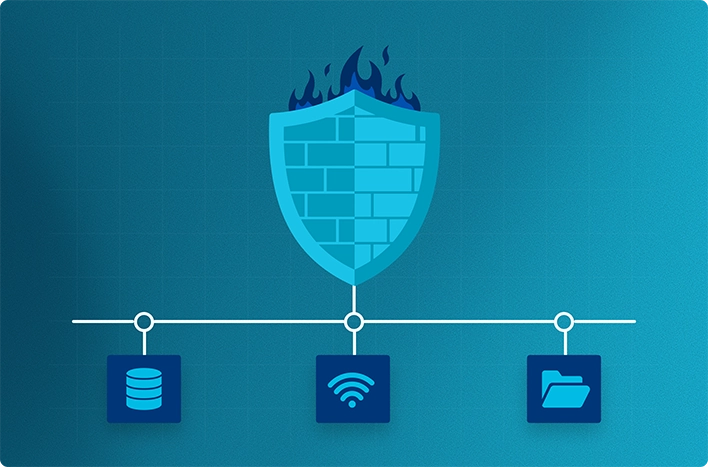
- Network segmentation can be useful in limiting the impact of a ransomware attack. It’s important to separate critical clinical systems from other parts of the network to restrict ransomware's movement within the environment.
- Backups can help restore operations after an attack, but they should be kept separate from the main environment so ransomware does not affect them as well.
A single security tool cannot prevent a ransomware attack. Organizations need all the aforementioned controls working together to reduce the risk of ransomware attacks and limit their impact.
How to Protect Healthcare Systems from Ransomware
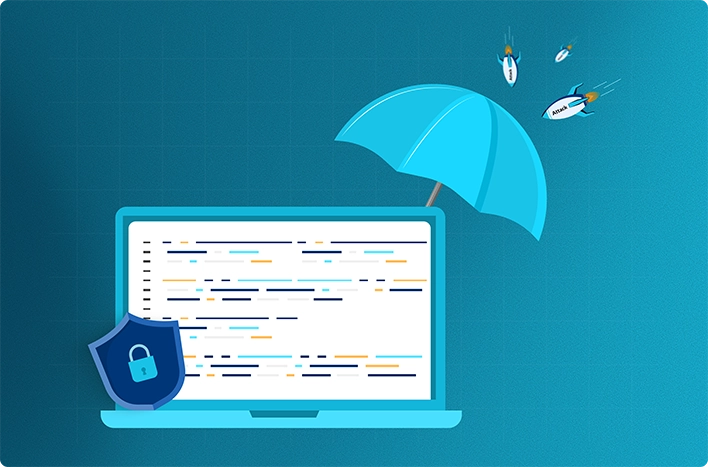
Even with preventive controls in place, healthcare organizations also need measures that can detect, contain, and limit the impact of ransomware. Here are some points that healthcare organizations can implement to protect their systems from ransomware:
- Continuous Monitoring: It helps security teams spot unusual activity on devices and user accounts. It can also help identify suspicious activity across the network. Organizations can use endpoint detection and response tools to identify malicious activity on devices and respond more quickly.
- Isolate Critical Systems: Healthcare organizations should separate critical systems from other parts of the network where possible to limit the spread of an attack. They need to keep reliable backups on hand as well, so the systems can be recovered quickly if attackers encrypt them or take them offline.
- Clear Incident Response: Having a clear incident response process is important. Teams should know which systems need priority and who needs to be involved. They should also know how to isolate affected devices or accounts.
Effective ransomware protection for healthcare depends on the speed of an organization to detect and contain an attack. Once the attack is contained and affected systems are safe to restore, recovery can begin.
What to Do During a Healthcare Ransomware Attack
When a ransomware attack is detected, the first priority for healthcare organizations is to stop it from spreading further. Here are the steps that organizations need to take to limit the damage of a ransomware attack and to recover from it quickly.
- Organizations need to start by isolating affected systems from the network as quickly as possible. Then, they must restrict access to compromised accounts.
- The incident response plan needs to be activated. The relevant teams, including security, IT, clinical, legal, and compliance, should be involved depending on the scope of the attack.
- Healthcare organizations need to identify the affected systems. They should also check whether attackers accessed or stole any sensitive data. At the same time, they need to ensure that critical patient-care services continue to run, where possible, in accordance with established downtime procedures.
- Organizations need to assess the affected systems and determine how the attackers gained access. Recovery should begin only after the attack has been contained, and affected systems are ready to be restored. It’s important for security teams to use clean backups to restore systems in a controlled way.
As the operations become stable, the organization should review the incident to identify and fix the weaknesses that allowed the attack to succeed.
How to Recover and Reduce the Risk of Another Attack
Recovering from an attack only makes sense once the organization has contained the attack and identified the affected systems. Bringing systems back online too soon can lead to more problems, especially if attackers still have access.
Healthcare organizations need to ensure that the restoration of critical systems is done from clean, tested backups. Teams should check the systems for safety before reconnecting them to the wider network.
Once operations become stable, the organization should find out how the attackers got in. The relevant team needs to fix the weaknesses related to the attack to prevent the same route from being used again.
It’s also important for the team to review the incident response plan after the attack. If any part of the response was unclear or caused delays, the team should improve it.
Bringing systems back online is only one part of recovery. The organization also needs to address the reason(s) behind the attack in the first place.
Conclusion
Healthcare ransomware attacks can disrupt far more than just the IT systems used by an organization. They can restrict access to patient information and create added pressure on healthcare teams.
Healthcare organizations can lower ransomware risk by fixing the weak spots attackers are most likely to use. They also need to be prepared to recover quickly if an attack does happen.
SafeAeon can provide the tools and resources needed to reduce the risk of ransomware attacks in healthcare. SafeAeon’s team provides 24x7 monitoring along with patch management to help keep the IT environment secure. They can also support organizations in developing a clear response and recovery plan to reduce the impact of an attack and restore operations as quickly as possible.