

Key Takeaways
- 31% of breaches in Verizon’s 2026 DBIR dataset began with vulnerability exploitation, making it the most common initial access vector. (Verizon)
- Cloudflare mitigated 34.4 million network-layer DDoS attacks in 2025, compared with 11.4 million in 2024. (Cloudflare)
Introduction
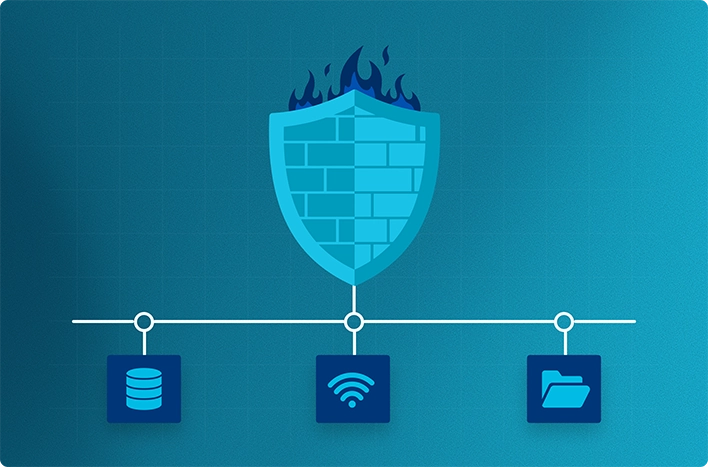
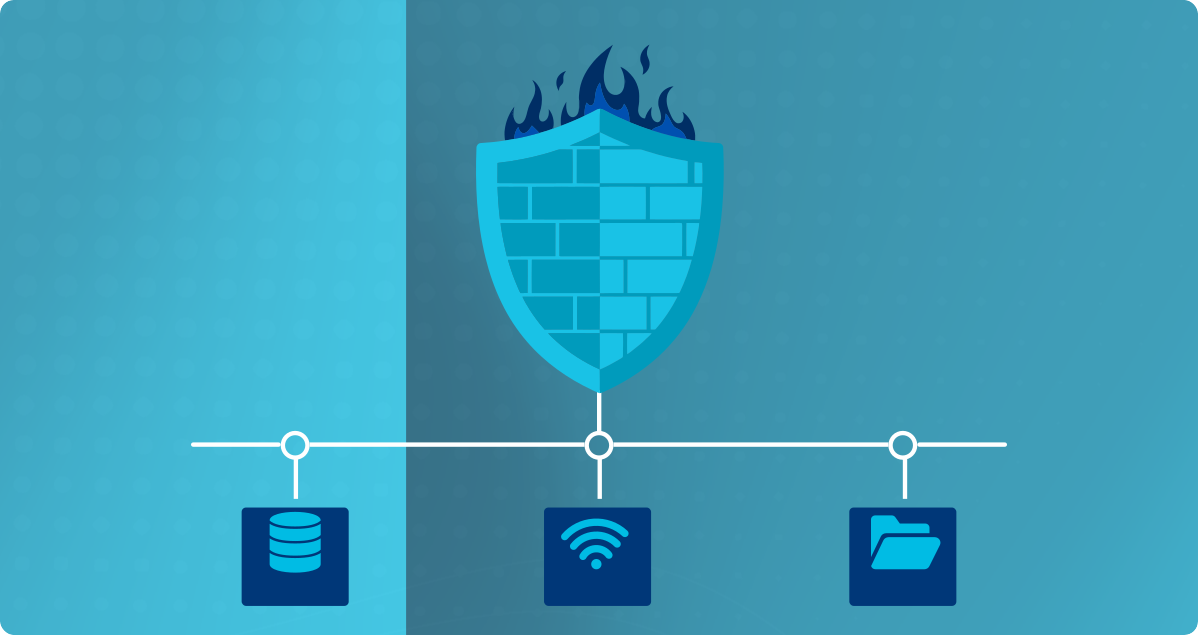
A firewall can be considered a digital shield that helps protect your network from unwanted or potentially harmful traffic. It lies between a trusted network and external connections, such as the internet, where it checks network traffic against predefined security rules. Based on those rules, it decides which connections to allow and which to block.
However, modern firewalls don’t just perform basic traffic filtering; Next-Generation Firewall can provide deeper traffic inspection and application control. It also offers extra protection against potential threats. But to ensure a firewall functions smoothly, it needs to be configured and updated regularly. Security teams should also regularly monitor and review the firewall. This is where Managed Firewall Services can help organizations maintain firewall security without handling every operational task internally.
Let’s discuss what a firewall is and how it works. Along with that, different types of firewalls and their benefits are also discussed. These points will help you understand which type of firewall can fit different security needs.
What Is a Firewall?
A firewall is a network security tool that monitors incoming and outgoing traffic. It operates on a specific set of rules that help determine whether that traffic should be allowed or blocked.
In simple terms, a firewall is like a security checkpoint for a network. Every incoming and outgoing connection is checked before it is allowed to enter or leave the network.
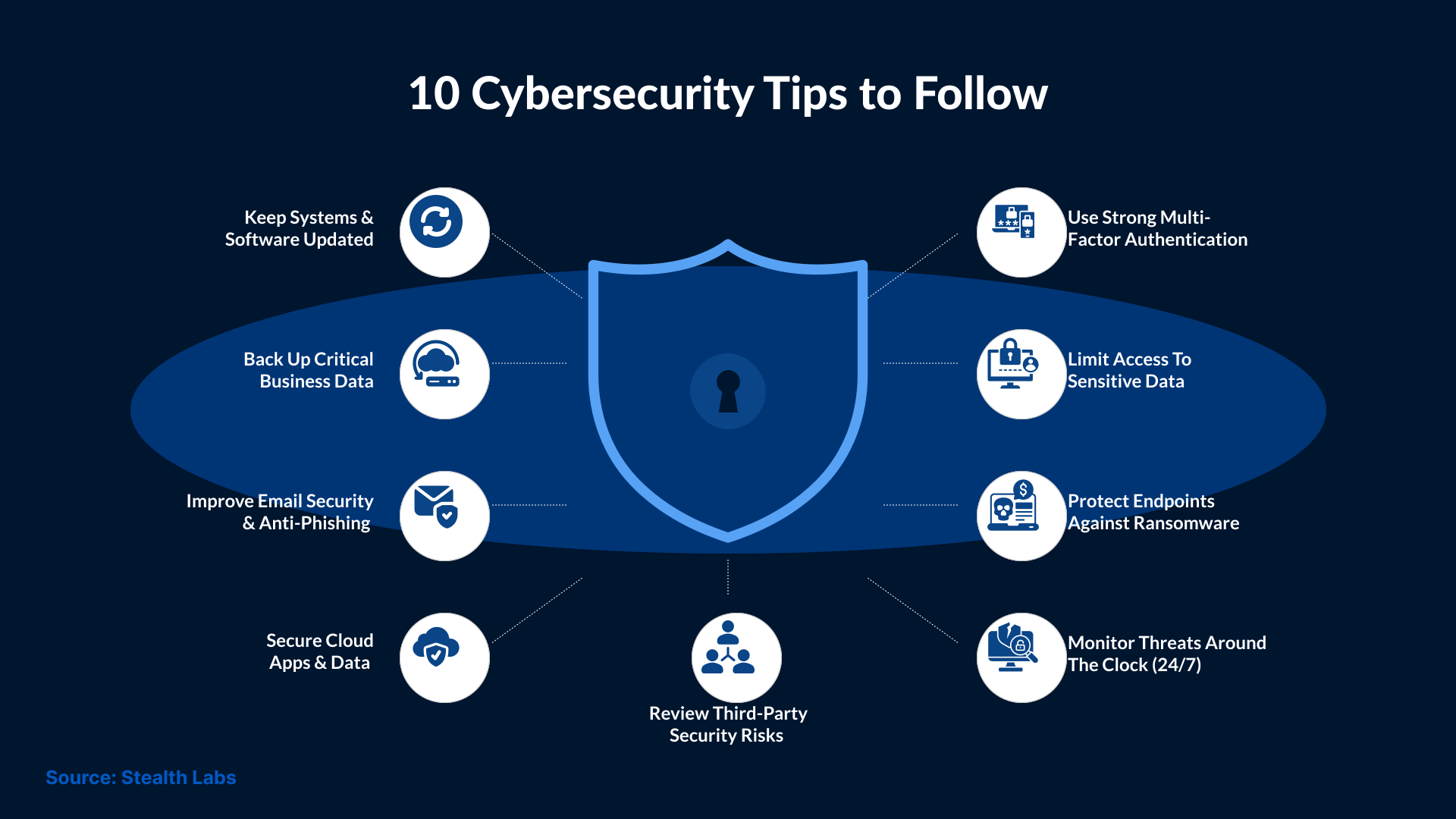
Firewalls can be set up in different ways depending on the environment. Some businesses use a physical appliance at the network edge. Others run firewall software directly on their systems. In virtual or cloud setups, the firewall can be deployed directly within those infrastructures.
A firewall doesn’t work in isolation. It is usually a part of a broader security setup that may include endpoint protection, email security, identity controls, and threat monitoring. Organizations using a firewall also need to manage their policies, updates, alerts, and configurations. If their internal team can’t perform these, then they can opt for Managed Firewall Services to provide ongoing operational support.
How Does a Firewall Work?
A firewall inspects network traffic and determines whether it can pass between networks or network segments. The administrator creates a set of rules, which the firewall compares against each connection.
It’s a pretty straightforward process. As the data reaches the firewall, it begins to inspect details such as the source and destination addresses, port numbers, and protocols. Some types of firewalls may also look for the application or content inside the traffic. The firewall then decides what to do with that connection.
If the traffic matches an approved rule, it is allowed to proceed. If it doesn't, the firewall denies the connection. The firewall can also log allowed, blocked, or other selected activity for later review.
Where traditional firewalls focus mainly on basic network information, a Next Generation Firewall can inspect traffic in more detail. It can identify applications and detect suspicious behavior. It can also apply more specific security controls.
The effectiveness of a firewall depends on the configuration and maintenance of the rules set by the administrator. If the rules are outdated or overly broad, then they may allow unnecessary access. Due to this reason, it’s important to regularly monitor the firewall and review policies.
What Are the Different Types of Firewalls?
Different firewalls serve different purposes. Some focus on basic network information, while others analyze applications and traffic content in detail.
Packet-Filtering Firewalls
These firewalls check basic information in each data packet. Basic information includes source and destination IP addresses, port numbers, and protocols. They allow or block traffic based on predefined rules. These firewalls are simple and fast but offer limited visibility into traffic details.
Stateful Inspection Firewalls
A stateful firewall doesn’t just check individual packets but also tracks active network connections. This allows the firewall to determine whether the traffic is part of a legitimate connection. If it is, the firewall allows it to pass; otherwise, it is blocked.
Proxy Firewalls
These act as an intermediary between a user and the destination system. A proxy firewall doesn’t allow direct connections; it inspects requests and forwards approved traffic. This allows more detailed control at the application level.
Next Generation Firewalls
A Next Generation Firewall combines the features of a traditional firewall with advanced capabilities such as application awareness, deep packet inspection, intrusion prevention, and threat intelligence. This allows organizations to apply more detailed security policies. NGFWs can identify more types of suspicious or malicious activity than basic packet-filtering firewalls
Cloud Firewalls
Cloud firewalls are deployed via cloud infrastructure, so they are not dependent only on physical appliances at a specific location. A cloud firewall is meant to protect cloud workloads, remote users, and distributed environments. At the same time, it allows security policies to be managed more centrally.
What Is a Next Generation Firewall?
A Next Generation Firewall, or NGFW, is an advanced firewall that combines traditional traffic filtering with additional security features. It doesn’t just review IP addresses, ports, and protocols; it also inspects traffic in detail. The firewall also applies rules based on applications, users, and potential threats.
A Next Generation Firewall may include a wide range of features that help security teams understand what is moving within the network. It also allows teams to apply more specific controls to the network. Common NGFW features include:
- Deep packet inspection
- Intrusion prevention
- Application control
- URL filtering
- Threat intelligence
While a traditional firewall may allow traffic because it uses an approved port, an NGFW will go a step further by identifying the application using that port. It also checks whether the traffic matches the organization’s security policies.
Since these firewalls perform more advanced functions, they require proper configuration and regular updates. Teams also need to monitor the firewall regularly to keep it working as intended.
Traditional Firewall vs. Next Generation Firewall
Traditional firewalls primarily control traffic based on IP addresses, ports, protocols, and connection states. A Next Generation Firewall adds deeper traffic inspection, application awareness, and additional security controls.
| Comparison Area | Traditional Firewall | Next Generation Firewall |
|---|---|---|
| Traffic inspection | Primarily checks IP addresses, ports, protocols, and connection states | Can inspect applications and traffic content in greater detail |
| Application awareness | Limited | Identifies and controls application traffic |
| Intrusion prevention | Usually provided through a separate security capability | Commonly includes integrated intrusion prevention |
| Deep packet inspection | Limited compared with an NGFW | Commonly supports deep packet inspection |
| User-based policies | Usually focused on network-level information | Can support policies based on users, applications, and other context |
| Threat intelligence | May require separate tools or integrations | Often integrates threat intelligence into security controls |
| Visibility | Mainly network and connection-level visibility | Provides more detailed visibility into applications, users, and threats |
| Security management | Focused mainly on traffic access rules | Can combine firewall policies with additional security controls |
What Are the Benefits of a Firewall?
A firewall is deployed to control which traffic can enter or leave a system. This helps reduce network security risks, but the firewall must be properly configured to support several key security functions.
Blocks Unauthorized Access
A firewall can block connections that do not meet its configured security rules. This helps reduce the risk of unauthorized users or systems reaching protected network resources.
Filters Potentially Harmful Traffic
A firewall can block traffic coming from suspicious sources or using restricted ports. But there are more advanced firewalls that can look even more deeply into the traffic and spot potentially unsafe activity.
Improves Network Visibility
Firewall logs provide information about connections and blocked traffic. Security teams can use that information to investigate suspicious connections and unusual network activity.
Supports Network Segmentation
A firewall can keep different parts of a network separate. For example, access to sensitive systems can be restricted even if someone already has access to another part of the network.
Helps Enforce Security Policies
Firewall rules decide what kind of traffic is allowed and what is not. Organizations can use them to control access between users, systems, applications, and services.
Supports Security and Compliance Activities
Firewall logs and traffic records can help teams during internal security reviews. They can also support certain compliance requirements when used with other security controls. However, a firewall alone won’t make an organization compliant with any specific standard.
What Are the Limitations of a Firewall?
A firewall is a useful security control, but it cannot be used against all types of threats. Moreover, its functioning depends on how it has been set up in the first place. When the network changes, the firewall rules need to change with it.
Misconfigured Rules Can Create Security Gaps
Firewall rules can become too open over time. As a result, users or systems can have more access than they actually need. To overcome this issue, teams need to conduct regular reviews to spot those rules and clean them up.
Some Threats Can Bypass Firewall Controls
Some threats are harder for a firewall to spot. This is often the case when traffic comes through a trusted application. Encrypted traffic can also make inspection difficult. Stolen credentials can make suspicious activity harder for the firewall to identify.
Firewalls Do Not Replace Other Security Controls
Nobody denies the importance of a firewall, yet organizations need protection for endpoints, email, and identities. Security monitoring and vulnerability management are also key security requirements for organizations.
Need for Ongoing Management
Firewall policies do not stay the same forever. As the network changes, teams need to review the firewall and make the required updates.
Why Is Firewall Management Important?
A firewall that was configured correctly on day one doesn’t guarantee long-term effectiveness. Why? Well, networks change, and new applications are added from time to time. Users also need different levels of access, and old rules can remain in place longer than they should.
That leads to a management problem. With overly permissive rules, the risk of unnecessary access increases. Missed updates can leave known weaknesses in place, and at times, teams forget to check the logs, making unusual activity easier to miss.
Firewall management is, therefore, an ongoing effort to keep these areas under control. Teams need to review the firewall regularly and make changes when required. As the network evolves, firewall rules and configurations also need to be updated.
It can be difficult for smaller teams to manage consistently, especially when they have several firewalls in different locations or cloud environments.
What Are Managed Firewall Services?
Managed Firewall Services are an option for organizations that cannot manage all firewall operations internally. In this model, some or all of the firewall management work is outsourced to an external security provider.
Here are some of the tasks a Managed Firewall Service provider may handle:
- Firewall monitoring
- Rule and policy management
- Configuration reviews
- Software or firmware updates
- Log monitoring
- Support during security incidents
- Firewall configuration backups
- Reporting
Managed Firewall Services do not replace the firewall itself. The managed service takes care of the ongoing work around it, including monitoring, maintenance, and day-to-day management.
What Are the Benefits of Managed Firewall Services?
Managed Firewall Services can reduce the workload of the internal IT or security team. Since the internal teams already have multiple security tasks, a managed firewall service provider can handle firewall-related tasks. Here are some key benefits of outsourcing Managed Firewall Services:
Less Day-to-Day Work for Internal Teams
Routine firewall tasks can take time. By outsourcing some of this work, internal teams can spend more time on other security and IT priorities.
Regular Monitoring and Maintenance
A managed service provider monitors firewall activity and handles ongoing maintenance within the agreed scope. It means the provider can review the logs and apply updates to the firewall when required.
Better Control of Firewall Rules
Firewall rules need to be updated as the network changes. A managed service provider reviews them regularly and makes the required changes.
Access to Firewall Expertise
Not every organization has people who specialize in firewall management. Managed Firewall Services give teams access to people who work with firewall policies, configurations, and security events on a regular basis.
Support for More Complex Environments
Managing multiple firewalls can be daunting when a business has multiple locations or cloud environments. A managed service can make that workload easier to handle.

Conclusion
Firewalls still play an important role in network security. But their job does not end after installation. They need regular attention as the network changes.
While some organizations have internal teams to manage and maintain the firewall, others opt for Managed Firewall Services because firewall management can take up a lot of time.
SafeAeon supports businesses needing help managing their firewall environment, freeing internal teams to focus on other priorities.