

Key Takeaways
Introduction
The rise in cyberattacks on healthcare organizations is a matter of serious concern. Healthcare organizations hold highly sensitive information related to patients' health records, treatments, and payments. Like most organizations, hospitals depend on digital systems for booking appointments, sharing prescriptions and reports, and maintaining patient records. When a cyberattack occurs, it can expose the data and interrupt essential healthcare services. The impact won’t be limited to IT; it can extend to patient safety as well. Let’s discuss the risks healthcare organizations face and the security measures they can use to reduce them while supporting compliance efforts.
What Is Cybersecurity in Healthcare?
Cybersecurity in healthcare refers to the mechanisms that protect hospital systems and patient data from cyber threats. It covers all the critical digital tools, like electronic health records and telehealth platforms. It also protects connected equipment used for monitoring or diagnosis.
Protecting these systems is important because they store highly sensitive patient information, including medical histories and personal identifiers. Having robust cybersecurity helps healthcare organizations prevent data breaches and maintain the availability of critical services. As a result, strong cybersecurity can support patient safety and help maintain trust.
Healthcare organizations today use several connected devices and cloud-based systems, which makes it important for cybersecurity services to identify risks and detect threats early. Strong cybersecurity has now become an essential component in delivering safe and reliable patient care.

Why Is Cybersecurity Important in Healthcare?
In February 2024, a catastrophic ransomware attack hit a UnitedHealth Group subsidiary, severely impacting the US healthcare system. The ALPHV/BlackCat ransomware group attacked Change Healthcare, a UnitedHealth Group subsidiary that supports claims processing, eligibility checks, and pharmacy services. The personal and health information of millions of people was compromised, raising serious concerns about patient data security and trust in the healthcare system.
In May 2024, a separate cyberattack disrupted Ascension’s technology systems and clinical operations. More than 140 hospitals in 19 states were hit by a severe cyberattack that shut down clinical operations and patient care procedures. Access to electronic health records and other technology systems was disrupted during the incident.
These were the major incidents that occurred recently, but there are several small-scale incidents that don’t make the headlines but raise questions about the security measures taken by the healthcare organizations. This is why implementing cybersecurity at every operational level in healthcare becomes important. It should be applied in governance, data exchanges, clinical workflows, and vendor relationships. Hospitals need to protect their digital systems because they are directly linked to patient safety and trust.
Top Cybersecurity Risks in Healthcare
Healthcare organizations face a wide range of cyber threats. Some attacks target patient data, while others disrupt clinical systems or steal access credentials. Healthcare organizations need to understand these risks before applying security controls in their environment. Here are the top cybersecurity threats affecting the healthcare industry:

Ransomware Attacks
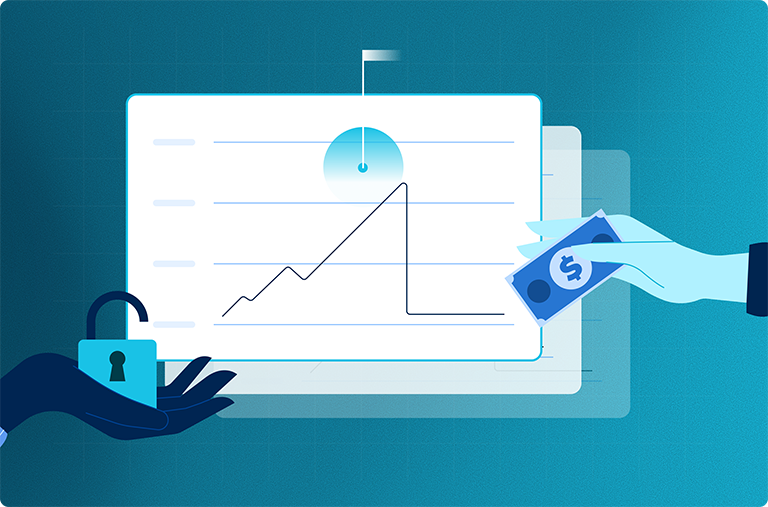
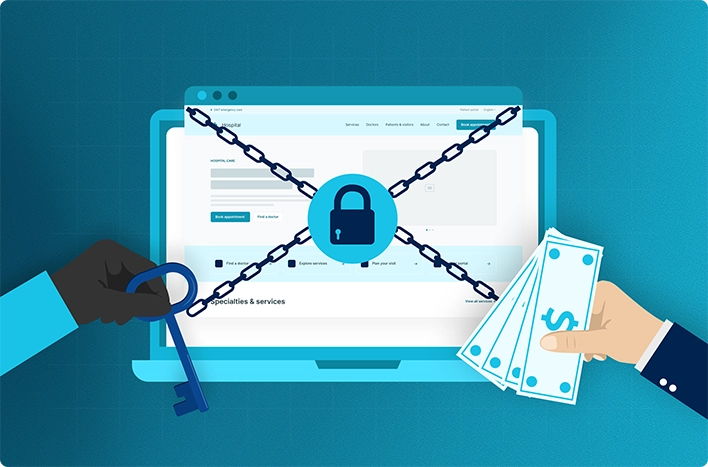
Ransomware remains a serious threat to healthcare organizations. Attackers use various methods to deploy ransomware within healthcare organizations, including phishing, stolen credentials, and exploitation of known vulnerabilities. Once inside the network, attackers may steal data or encrypt files. They may demand payment for a decryption key while threatening to publish the stolen data. Attackers also target third-party providers that handle healthcare data or support essential services. These include EHR providers, billing companies, cloud providers, laboratories, and healthcare technology providers.
Phishing Attacks
In phishing attacks, cybercriminals craft deceptive emails to trick employees into clicking malicious links or downloading infected attachments. If the target clicks the link or opens the attachment, attackers may steal credentials, install malware, or gain access to the system. Stolen credentials can make malicious activity appear legitimate, although security monitoring may still detect unusual behavior. Attackers may move laterally through the environment if the activity is not detected. They may access sensitive patient data and disrupt operations to cause widespread damage.
Insider Threats
An insider threat occurs when someone with authorized access intentionally or unintentionally harms the organization, its systems, or data. Insider incidents can result from malicious actions, negligence, or human error, so healthcare organizations should monitor access and user activity. Insider threats can be difficult to detect because the activity may come from a trusted account with legitimate access.
Medical Device Security
As every hospital adds more devices to its environment, keeping them secure and up to date is becoming critically important. Attackers often look for vulnerabilities in connected medical devices due to a lack of security and unpatched software. Cybercriminals exploit these vulnerabilities to gain access to restricted networks, which puts both patient safety and data security at risk.
The Business and Clinical Impact of Healthcare Cyberattacks
Cyberattacks on healthcare organizations cause severe disruptions in the form of stalled operations and massive financial losses. On top of that, they lose their patients’ trust, which they have gained over the years by consistently delivering impeccable service.
Clinical Impact
Care Delays: Electronic health record (EHR) downtime can force staff to use paper backups, slowing the entire process. Patients expecting quick lab results or diagnostic imaging, such as MRI, will have to wait longer, adding to their frustration.
Patient Safety Risks: As systems are locked, there could be prescription errors, incorrect diagnoses, and diversion of ambulances to other facilities.
Device Vulnerability: Attackers could interfere with the operations of interconnected medical Internet of Things (IoMT) devices, like infusion pumps or monitors.
Business and Financial Impact
Downtime Costs: When operations stall or require manual workarounds, healthcare organizations can incur substantial losses in revenue and productivity.
Recovery and Ransom Expenses: Ransom payments and regulatory penalties can place significant pressure on healthcare budgets. Complex legacy IT systems can make recovery more expensive. Restoring these systems adds further costs when budgets are already under strain.
Reputational Damage: When private patient data is stolen or exposed, the incident can damage public trust and may lead to HIPAA investigations or breach-notification obligations.
Healthcare Cybersecurity Compliance Requirements
Healthcare organizations must protect patient data under the laws applicable to their operations. In the US, HIPAA is the main federal requirement. It applies to covered healthcare providers, clearinghouses, and health plans. Some HIPAA requirements are also applicable to business associates that handle patient information for these organizations.
HIPAA Privacy Rule
The HIPAA Privacy Rule protects identifiable health information in paper and electronic form. Even verbally revealed information is covered under its laws. It also controls the use and sharing of protected health information. Under HIPAA, patients get certain rights over their health records.
HIPAA Security Rule
The HIPAA Security Rule governs electronic protected health information (ePHI). It requires three safeguards – administrative, physical, and technical. These safeguards help protect the confidentiality, integrity, and availability of electronic protected health information.
Healthcare organizations must assess risks to ePHI. They must then implement reasonable and appropriate safeguards based on their risks, size, systems, and operating environment.
HIPAA Breach Notification Rule
The HIPAA Breach Notification Rule applies after a breach of unsecured protected health information. HIPAA covered entities must notify affected individuals and the HHS Secretary after a breach of unsecured protected health information. In the event of a large breach, notification to the media may also be required. Business associates must report relevant breaches to the covered entity.
HITECH Act
The Health Information Technology for Economic and Clinical Health Act further improves parts of HIPAA. It made business associates directly responsible for certain HIPAA requirements. It also encouraged healthcare organizations to use electronic health records instead of paper files.
But HITECH should not be treated as a separate cybersecurity framework. It works alongside HIPAA to improve several rules related to privacy, security, and data breaches.
General Data Protection Regulation
Healthcare organizations must follow the General Data Protection Regulation when their processing activities fall within its scope. The GDPR treats health information as a special category of personal data. Organizations cannot process personal data unless they have a valid legal basis and applicable conditions.
What those requirements are depends on the location, services, and the data handled by the organization. State privacy laws and breach notification laws may also apply in addition to federal requirements.
Healthcare Cybersecurity Best Practices
Cyber threats will continue to evolve, and it's not possible to prevent the attacks every time. The best approach is to adopt healthcare cybersecurity best practices to stay ahead of cyber threats by addressing current security risks and empowering security teams to anticipate future ones. Here are the key elements of a sound, proactive cybersecurity strategy:

Conduct risk assessments
Healthcare organizations should carry out regular risk assessments, as these will help identify a wide range of security risks, such as system vulnerabilities, process gaps, and human errors. By regularly reviewing security risks, teams can focus first on the issues most likely to cause serious damage.
Adopt Zero Trust Architecture
Healthcare organizations can adopt Zero Trust Architecture to reduce implicit trust and strengthen access control. In a zero-trust model, each access request is authenticated and authorized according to policy before access is granted. By adopting ZTA, healthcare organizations can reduce the risk of insider threats and unauthorized access. As a result, data protection improves, along with a reduction in the potential attack surface across the environment.
Secure remote access
The way healthcare is delivered has changed significantly in recent years. The trend of telehealth services has increased, and so has the number of healthcare workers who operate remotely. This has increased the attack surface, as teams have to secure remote access; otherwise, it may open gaps that attackers can exploit. Here’s what healthcare organizations can do to ensure secure remote access:
- Use virtual private networks (VPNs) to encrypt data in transit to protect it from being intercepted over unsecured networks.
- Enforce multi-factor authentication to require additional verification before users access critical systems.
- Implement network access control to restrict access based on device compliance. This can help prevent noncompliant or unauthorized devices from connecting to healthcare networks.
Implement strong identity protection
Healthcare organizations must apply strong identity protection to control who can access critical data and systems. It also reduces the risk of insider threats and unauthorized access from both external and internal sources. Some effective identity protection measures include:
- Multi-factor authentication (MFA) – Adds an extra verification step and also helps reduce unauthorized access to sensitive systems and data.
- Principle of least privilege (PoLP) – This ensures that individuals only have access to what they truly need for their role.
Maintain regular updates and patching
Attackers often exploit known vulnerabilities in outdated systems and unpatched software. Healthcare organizations must identify all such systems and software and update them to prevent attackers from exploiting any weaknesses in the network.
Healthcare Cybersecurity Checklist
The checklist below can help healthcare organizations review the main controls used to protect patient data and clinical systems. Each of these items can be adjusted according to specific requirements of an organization like size, technology, and compliance needs.
- Identify systems that support patient care.
- Classify electronic protected health information.
- Limit access based on job responsibilities.
- Enable multi-factor authentication.
- Encrypt sensitive healthcare data.
- Apply security patches on time.
- Review medical device security.
- Protect email systems from phishing.
- Monitor security alerts continuously.
- Maintain protected backups.
- Review third-party access.
- Test the incident response plan.
- Train employees to recognize cyber threats.
- Review HIPAA security requirements regularly.
How SafeAeon Supports Healthcare Cybersecurity
Healthcare organizations may need additional security coverage or a team of experts to support their internal teams. To fulfill their security requirements, they may have to invest significant money and resources, which may not be feasible in every case. Therefore, they may consider outsourcing security to SafeAeon specialists who know how to protect patient data, provide round-the-clock monitoring, and restrict unauthorized access to critical accounts and devices.
HIPAA Compliance Support
SafeAeon helps organizations review security controls and identify gaps that may affect HIPAA readiness. It also helps with security monitoring and reporting. The team prepares detailed incident documentation, which is shared with the internal team. The healthcare organization remains responsible for meeting its compliance obligations.
MDR-as-a-Service
MDR-as-a-Service provides continuous monitoring and investigation of endpoint threats. Security analysts quickly review any suspicious activity appearing in the network and prepare a response based on the agreed service scope.
Dark Web Monitoring
Dark Web Monitoring helps identify exposed employee credentials and organization-related information found on dark web sources. Early detection allows healthcare organizations to secure affected accounts.
IoT Security
IoT Security helps healthcare organizations monitor connected devices. It can identify unusual activity involving those devices. The service also helps identify risks caused by insecure configurations and outdated software.
Phishing Awareness Training
Phishing Awareness Training teaches employees how to recognize suspicious emails and report them. Conducting regular training and simulations helps organizations understand where additional training may be needed.


Conclusion
A secure and resilient healthcare system is pivotal to protecting patient data. As cyber threats continue to grow, healthcare organizations must invest in robust cybersecurity measures. These should include regular monitoring, secure access, and timely incident response. They should also focus on employee training to reduce attacks linked to human error.
These measures can support compliance with HIPAA security requirements. Healthcare organizations that need additional tools or expertise can outsource cybersecurity functions to SafeAeon. Its managed security team provides 24x7 monitoring and helps identify security gaps. Its specialists also support threat response to reduce the impact of cyberattacks.