

Key Takeaways
- In 2024, 31% of SMBs reported experiencing cyberattacks, with phishing and ransomware among the most common threats. (Microsoft)
- Ransomware is involved in a significant percentage of breaches affecting SMBs, with some reports indicating figures as high as 88%. (Verizon DBIR)
Introduction
Small and medium businesses are increasingly exposed to email-based attacks that rely on compromised accounts and trusted communication patterns.
In a typical business email compromise scenario, attackers gain access to an executive’s email account and monitor communication over time. This allows them to understand how financial requests are handled and when key individuals are unavailable.
At the right moment, they send emails that appear legitimate. They request urgent actions such as password resets or fund transfers. These requests align with normal workflows and are carried out without raising immediate concern.
In many cases, teams can only identify the issue after the transaction has already been processed. By that time, the focus shifts from prevention to recovery.
These attacks do not rely on breaking systems. They rely on access, timing, and familiarity with internal communication. Many SMBs lack the visibility required to detect this activity before the financial impact begins.
How These Attacks Work
Many small and medium-sized businesses have gaps in their cybersecurity controls. They often miss the unauthorized access until after an incident occurs.
In this type of attack, access to the CFO’s email account enabled attackers to review historical conversations and understand how financial requests were handled. They monitored activity over time to identify patterns, including periods when the CFO was unavailable. This timing increased the chances that fraudulent requests would not be immediately verified.
These attacks rely on persistence and visibility gaps instead of immediate disruption. Without proper monitoring or alerting, this activity can continue unnoticed.
Why SMBs Are Targeted
SMBs are often targeted because they operate with fewer security controls and limited visibility across their environments. Many rely on cloud-based tools like email and collaboration platforms, but they don’t have the same level of monitoring or access control as larger organizations.
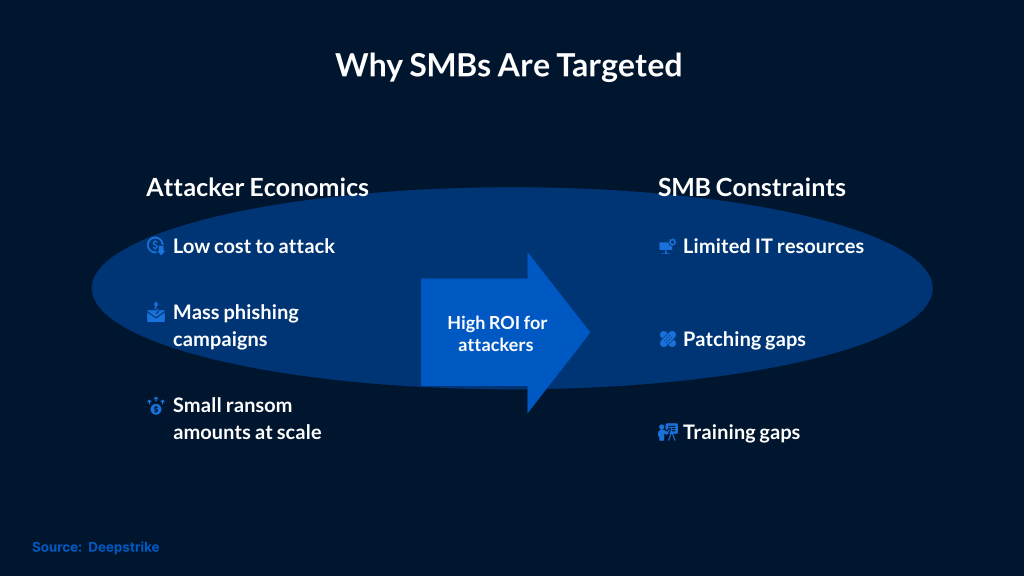
Attackers look for environments where they can gain or use access without being detected. SMBs usually fall into this category due to smaller security teams and fewer dedicated resources.
In many SMBs, financial approvals and operational communication depend on email. This makes it easier for attackers to use compromised accounts to send legitimate-looking requests.
The small size of organizations does not reduce the risk. On the contrary, it can increase the chances of exploitation due to gaps in controls and response capabilities.
Why These Attacks Go Undetected
Attackers use legitimate accounts and normal communication channels, which is why these attacks go undetected. Once they gain access, there won’t be any obvious signs of intrusion.
Attackers spend time within the environment instead of acting immediately. They monitor email activity over time to understand how requests are made and who approves them. They also keep track of the unavailability of key individuals. This allows them to send messages that fit into existing workflows.
This activity can easily blend into regular operations without continuous monitoring or alerting. When a valid-looking request is made from a trusted account, it won’t trigger any alerts.
In many SMB environments, there is limited visibility into login activity and unusual access patterns. Internal security teams often struggle to detect changes in account behavior. As a result, these attacks are mostly identified only after a transaction has already been completed.
Hackers Target Smaller and Mid-Market Firms
Attackers increasingly target SMBs as entry points into larger environments or supply chains. Attackers usually exploit organizations with limited controls and visibility.
Many small and mid-market businesses recognize this risk only after an incident has already occurred. Recovery can be costly and disrupt the entire operation.
In account compromise, attackers primarily target cloud-based email platforms such as Office 365 and Gmail. These attacks commonly involve credential theft, brute-force attempts, or credential stuffing. Once attackers establish access, they use legitimate accounts to carry out further activity without detection.
Actionable Steps to Secure Your Business
- Deploy endpoint protection that can detect and respond to threats in real time
- Use a properly configured firewall aligned to your network and access requirements
- Enable multi-factor authentication for email, financial systems, and critical applications
- Implement continuous monitoring across endpoints, users, and cloud environments
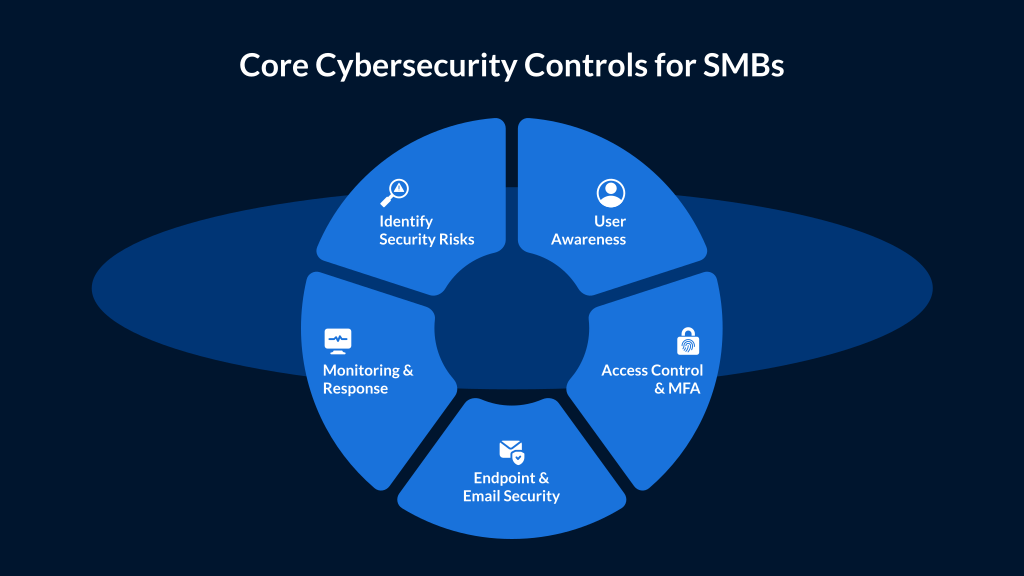
Continuous monitoring is critical. Without it, unauthorized access and suspicious activity can go unnoticed for extended periods.
Conclusion
SMBs are increasingly facing cyberattacks that exploit compromised accounts and trusted communication channels. These attacks do not rely on breaking systems. Instead, attackers focus on gaining access and remaining undetected long enough to carry out actions that appear legitimate.
In many cases, the issue is not the lack of tools but the lack of visibility into user activity and email access. Reducing this risk requires better control over access and the ability to detect suspicious activity early. SafeAeon helps organizations improve visibility and strengthen detection so that these activities can be identified before they lead to financial or operational impact.