

Key Takeaways
- Ransomware attacks have increased by 58% in 2025, citing the need for better anti-ransomware solutions. (HIPAA Journal)
- The average cost of a ransomware incident, as disclosed by an attacker, is around $5.08 million. (IBM)
Introduction
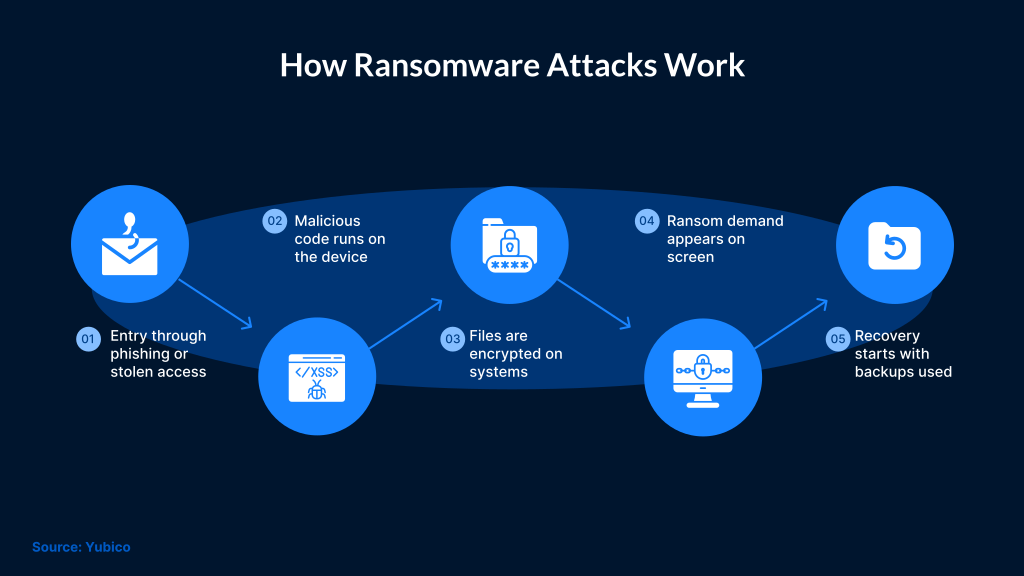
Ransomware attacks remain one of the most damaging cyber threats facing businesses today. These attacks mostly begin through phishing links, malicious downloads, exposed services, or stolen credentials. Once attackers gain access, they begin encrypting data to demand ransom and disrupt overall business operations.
To mitigate this risk, organizations need to implement strong ransomware protection that blocks malicious activity early and detects suspicious behavior. This restricts the attacker’s movement inside the environment. Many ransomware protection tools now combine threat intelligence and real-time monitoring. They detect users’ activity based on their behavior, enabling organizations to respond faster.
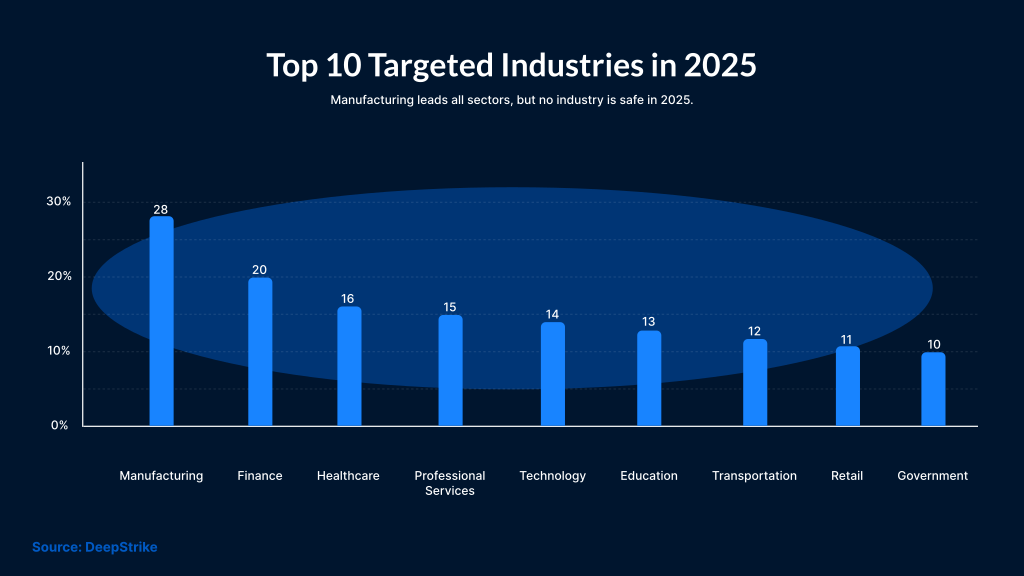
Ransomware is among the most common attack techniques used by attackers worldwide. Every major sector has been impacted by Ransomware attacks, with manufacturing, healthcare, and education experiencing the most. It is important for businesses to use layered defenses that include endpoint security, email protection, secure backups, and user awareness to reduce exposure.
What Ransomware Protection Tools Should Offer?
Effective ransomware protection does not rely on a single control, but it uses multiple layers of defense. Modern ransomware protection tools can inspect URLs and analyze suspicious files or links in a sandbox before users interact with them. Many solutions can block connections to known malicious domains, IP addresses, and command-and-control infrastructure used by attackers.
Organizations should choose the right ransomware protection tool according to their size and requirements. This can help reduce downtime, data loss, and operational disruption. Attackers are using new tactics to breach systems, so it becomes fitting that security tools also evolve through threat intelligence, behavior-based detection, and faster response capabilities.
Why Are Ransomware Prevention Tools Important?
Ransomware can encrypt files and disrupt operations. Restoring everything back to normal will cost significant money and weeks of effort. Attackers today focus on data theft and credential abuse. They make attempts to disable backups before encryption begins. Therefore, it is important for ransomware protection tools to ensure earlier detection with stronger controls. Organizations can only mitigate threats and recover from ransomware attacks if ransomware protection tools deliver faster responses.
Protecting Critical Data
- Data Loss: Ransomware attacks can lead to the loss of critical data such as bank records, customer information, and intellectual property, causing serious consequences for both companies and individuals.
- Operational Disruption: Encrypting key files can halt business operations, resulting in financial losses, wasted time, and reduced efficiency.
- Reputational Damage: Ransomware attacks can tarnish a company’s reputation, eroding customer trust and reducing brand value.
Reducing Financial Impact
- Ransom Demands: Attackers often demand significant sums for decryption keys, which can heavily impact an organization's finances.
- Recovery Costs: Recovering after a ransomware attack can be costly, even if no ransom is paid. The high cost could be due to IT support and data restoration. If an organization has sought legal help, then legal fees could add up to the overall cost.
Supporting Compliance Requirements
- Data Privacy Laws: Data privacy laws such as GDPR and CCPA require businesses to protect personal data. Failing to do so can result in fines and legal issues.
- Industry Standards: Sectors such as healthcare and finance have strict security requirements, which ransomware protection tools can help support.
Maintaining Productivity
- Downtime: Ransomware attacks can cause significant downtime, disrupt workflows, and reduce productivity.
- Recovery: Recovery can be time-consuming and drain resources, diverting attention from core business activities.
Safeguarding Against Future Threats
- Evolving Threats: Ransomware attackers continuously develop new techniques to infiltrate systems and evade detection. Effective tools can help businesses stay ahead of these evolving threats.
Businesses can reduce ransomware risk by investing in strong preventive security measures.
Best Tools to Help Prevent Ransomware from Malicious Links and IPs
Ransomware is malicious software that encrypts files and demands payment to unlock them. It usually enters systems through phishing links, malicious downloads, or other deceptive methods. A multi-layered approach is needed to protect against these threats. Here are some of the best tools and methods to reduce the risk posed by malicious links and IPs.
Strong Endpoint Security Solutions
- Antivirus and Malware Protection Software: A reliable antivirus program can detect and block malware and other malicious files before they execute. Ensure that the threat definitions in your software are always up to date for the best protection.
- Behavior-Based Detection: Look for solutions that use behavior-based detection to identify unusual activity that may signal a ransomware attack, even if the specific type of malware is unknown.
- Patch Management: To reduce security gaps, you should keep your operating system and software programs up to date. This also helps prevent ransomware from exploiting security vulnerabilities. For this, you can use a vulnerability scanner to identify and prioritize the critical security gaps..
Educating and Warning Users
- Phishing training: It is important to inform users about the risks of phishing and the importance of checking the sender before clicking links.
- Safe Browsing: Users should be cautious of suspicious links, avoid downloading files from unknown sources, and be wary of unexpected requests for personal information. Encourage users to report suspicious emails or links to the IT team.
Steps to Protect the Network
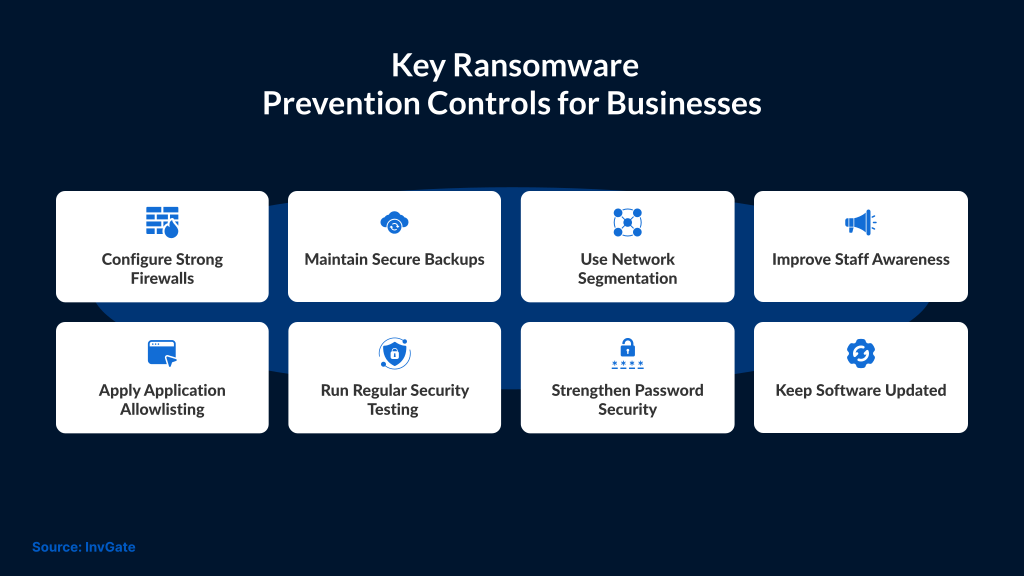
- Firewall: A properly configured firewall can help prevent unauthorized access to your network. It can also help block malicious traffic that may contain ransomware.
- Intrusion Detection and Prevention Systems (IDPS): IDPS is used to monitor network traffic for suspicious activity and help stop possible attacks. Setting up a central logging system is also beneficial, as it helps correlate security events and identify anomalous behavior.
- Network Segmentation: If malware enters your network, divide it into smaller segments to help stop it from spreading. You may also use microsegmentation to further separate critical data and systems
Data Backup and Recovery
- Regular Backups: Set up a regular backup plan so that when ransomware attacks your system, you can easily restore files. But make sure to keep backups in a separate location. Backup strategies can improve defense against attacks.
- Immutable Backups: Consider using backups that cannot be altered or deleted. This makes it harder for ransomware to target and encrypt backups. Keep testing your backup regularly and restore plans to ensure they are effective.
Email Security
- Email Screening: Use email security tools to filter spam and phishing emails that may contain harmful links. Adding ransomware protection tools can improve email security by scanning incoming links and attachments.
- Advanced Threat Protection (ATP): Use ATP to detect and block advanced threats such as phishing attempts, malware, and malicious attachments. You may also consider a sandboxing solution to isolate and inspect suspicious email files before they reach users.
Security Information and Event Management (SIEM)
- Centralized Logging: SIEM is used to gather security logs. In addition to gathering, the tool also analyzes logs from different sources. This helps teams gain better visibility into potential threats and enables faster responses.
- Threat Detection and Response: SIEM can identify unusual behavior that may signal a ransomware attack and support rapid response. It's better to integrate SIEM with other security tools to get a broader approach to monitoring and handling security threats.
Cloud-Based Security Solutions
- Cloud Access Security Broker (CASB): CASB is used for monitoring and managing access to cloud services. This can help reduce unauthorized data sharing and ransomware risk.
- Cloud-Based Backup: Cloud backup services can help protect data availability, even if ransomware compromises your systems. So, you should choose a cloud provider that has strong security controls and a proven track record of protecting data.
By using these tools and methods together, businesses can reduce the chances of ransomware attacks and better protect critical data. Regularly review and update your security measures to stay ahead of evolving threats.
Conclusion
It is essential to use ransomware protection tools that provide real-time monitoring, URL filtering, and advanced threat detection. By blocking harmful links and restricting connections to known malicious IPs, these tools add an important layer of security. As ransomware attacks become more sophisticated, having the right tools can help protect sensitive data and support business continuity. SafeAeon offers cybersecurity solutions to help detect, block, and respond to potential threats. These solutions can strengthen defenses against ransomware and malicious links.