

Key Takeaways
- The average global cost of a data breach reached $4.99 million in 2026, an increase of 12% from the previous year. This shows that cybersecurity incidents are becoming a major business expense. (IBM)
- Ransomware was involved in 48% of breaches analyzed in the 2026 DBIR, up from 44% in the previous report. The figure shows that ransomware remains a major cybersecurity threat to organizations. (Verizon)
Introduction
As more businesses are becoming dependent on technology, the role of cybersecurity is more crucial than ever. With so many systems and applications in use, it is difficult to manage and protect devices and data against cyberattacks and unauthorized access. No single tool or team can secure an organization alone.
Businesses today use cloud platforms, third-party applications, and remote endpoints, which increase the attack surface. When business operations are spread across such diverse platforms, it becomes easier for attackers to find gaps.
A single weakness in software or access control can result in a serious breach. Attackers also take advantage of human behavior through phishing and other social engineering tactics. As digital infrastructure grows, organizations cannot afford to leave it unprotected, or they will incur high costs. Therefore, it’s important for organizations to understand the role of cybersecurity in smooth, secure business operations.
What is Cybersecurity?
Cybersecurity means protecting systems, applications, data, and networks from cyberattacks and unauthorized access. It involves a combination of technology and manpower to identify and reduce cyber risks.
Cybersecurity includes measures designed to prevent threats and detect suspicious activity. When a security incident occurs, response processes help contain it and limit the impact. These measures may include access controls, encryption, endpoint protection, network security, and security monitoring.
The core purpose of cybersecurity is to maintain the confidentiality, integrity, and availability of information and digital systems. It means that cybersecurity helps keep sensitive information safe from unauthorized access or changes. It also helps ensure that systems and data remain available when needed.
The Importance of Cybersecurity: Why It Matters
The importance of cybersecurity is evident in the fact that a successful cyberattack can disrupt daily operations and expose sensitive data, leading to significant financial losses.
But that’s not the end of trouble for organizations. Security incidents also affect customer trust and lead to regulatory or legal consequences, especially when confidential information is involved. Organizations can reduce these risks and limit the impact of cyberattacks by implementing strong cybersecurity measures.
Cybersecurity is also necessary for business continuity, as it helps critical systems remain available during and after a security event. As organizations rely heavily on digital systems today, it’s important to have strong security to maintain stable operations and protect long-term business resilience.
What Are the Different Types of Cyber Security?
Cybersecurity encompasses many types, each focused on protecting a specific part of an organization's digital environment. Most organizations require multiple layers of protection because it’s not possible for a single security control to address every risk.
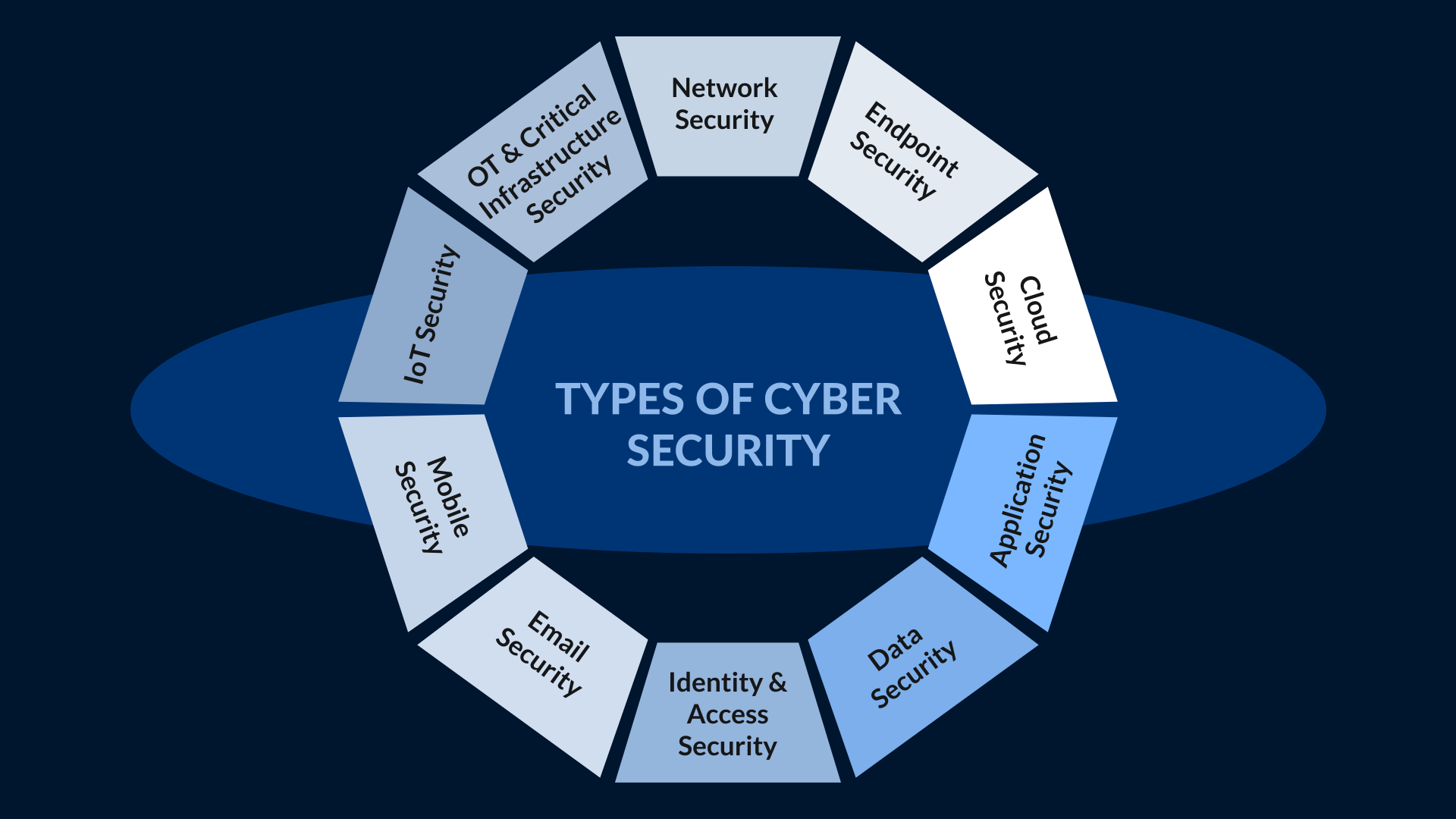
Network Security: It protects the infrastructure that connects systems and users. It controls who can access the network. It also helps identify unusual or suspicious activities.
Endpoint Security: It protects devices like desktops, laptops, and servers. It helps these devices stay protected against malware, ransomware, and other targeted threats.
Cloud Security: Cloud security protects data, applications, and workloads hosted in cloud environments. Besides, it helps reduce risks related to unauthorized access, exposed resources, and misconfigurations.
Application Security: Application security focuses on identifying and reducing vulnerabilities in software. Organizations can integrate security into the development process and maintain it throughout the application lifecycle.
Data Security: Data security protects sensitive information from unauthorized access, disclosure, alteration, or loss. Several methods are used to keep information secure, including encryption, access controls, and data protection.
Identity and Access Security: Identity and access security help ensure that only authorized users can access sensitive data and systems. Measures like multifactor authentication and access management can reduce the risk of compromised accounts.
Email Security: It protects users from threats delivered through email. Attackers can add malicious attachments or harmful links to emails. Other methods they use include phishing and business email compromise.
Mobile Security: Mobile security protects work-related mobile devices and the business data they can access. It helps reduce the risk of unauthorized access when a device is lost or compromised.
IoT Security: IoT security protects connected devices that operate within a business environment. It helps reduce the risk of an unsecured device becoming an entry point for an attacker.
OT and Critical Infrastructure Security: Operational technology security protects systems that are used to control physical processes and industrial operations. This type of cybersecurity is important in industries like manufacturing, energy, transportation, and utilities.
An organization's security posture improves when different types of cybersecurity work together to reduce security gaps and provide broader protection for the digital environment.
What Does Cybersecurity Protect?
Cybersecurity protects the digital assets that an organization depends on for its day-to-day operations. Digital assets can be in the form of applications, devices, business data, user accounts, and network infrastructure.
Cybersecurity also helps protect sensitive information from unauthorized access or changes. Information such as business data, customer records, financial information, and intellectual property all come under sensitive information.
Cybersecurity also helps protect the systems that help keep daily operations running smoothly. If these systems are disrupted or compromised, the impact won't remain limited to IT; it will extend beyond IT and affect the wider business.
The goal is to reduce the risk of data exposure and unauthorized access to critical resources because these can cause system disruption.
How Does Cybersecurity Work?
Cybersecurity works by managing risk throughout the entire security lifecycle. Before building or improving a cybersecurity program, it is important for organizations to understand what they have, where the risks are, and who is responsible for managing them.
The NIST Cybersecurity Framework 2.0 organizes this work into six functions:
Govern focuses on how cybersecurity risk is managed within the organization.
Identify helps organizations understand their systems, data, and potential risks.
Protect focuses on implementing safeguards to reduce the likelihood of an attack succeeding.
Detect helps identify suspicious activity or signs of a security incident.
Respond is about containing the incident and limiting further damage once a threat is found.
Recover is about restoring affected systems and helping the business return to normal operations.
Together, these functions provide organizations with a structured way to manage cybersecurity risk before, during, and after an incident.
Common Cybersecurity Threats
Cybersecurity threats can target systems, users, applications, or data. Some cyber threats exploit technical weaknesses, while others trick people into giving attackers access. Here are the most common cybersecurity threats that most organizations face:
Phishing
Phishing attacks use fraudulent emails or messages to trick users into revealing sensitive information or opening malicious content.
Ransomware
Ransomware can block access to systems or encrypt important data. Attackers then demand payment in exchange for restoring access.
Credential Attacks
Attackers may use stolen or compromised login credentials to access business accounts. Once inside, they may move further into the environment.
Malware
Malware is a malicious software designed to harm devices or allow attackers to gain unauthorized access. It enters an environment through infected files, websites, or compromised software.
Vulnerability Exploitation
Attackers often look for weaknesses in systems or software that haven’t been patched or properly secured. Once found, they exploit these gaps to get an initial foothold in the victim’s environment.
Business Email Compromise
Business email compromise involves impersonating a trusted person or taking over an email account. Usually, the goal is to manipulate employees into sending sensitive information or a large sum of money.
Insider Threats
Security risks also originate from people who have legitimate access. An employee or contractor may expose information by mistake or intentionally.
Supply Chain Attacks
Attackers may target a trusted business partner or supplier instead of attacking an organization directly. A compromise in a connected organization can also pose a risk to others.
Organizations must understand these cybersecurity threats to determine where stronger controls and monitoring are required.
Cyber Security Examples: What It Looks Like in Practice
It’s easier to understand cybersecurity examples when they are linked with real situations. In practice, cybersecurity often means recognizing a risk early and reducing its impact using the right control.
Protecting User Accounts
Multifactor authentication can make it harder for an attacker to access the account even if the login credentials are stolen.
Stopping Phishing Emails
Email security can identify suspicious messages before they reach employees. This reduces the likelihood that users will interact with harmful links or attachments.
Reducing Ransomware Risk
Endpoint security can detect unusual behavior on a device. With early detection, security teams can respond before the threat spreads further.
Protecting Sensitive Data
Access controls can limit the user's access to sensitive information. Encryption can provide another layer of protection in the event of data exposure.
Securing Remote Access
Organizations can use stronger authentication and access policies to protect employees from outside the office.
These cybersecurity examples show how different controls can address specific risks in everyday business environments.
Core Components of an Effective Cybersecurity Program
For a cybersecurity program to become effective, there must be involvement of people, processes, and technology. Each plays a different role in reducing risk and maintaining consistent security efforts.
Governance and Risk Management
Organizations need clear security policies and defined responsibilities. They must have a clear way to identify and prioritize cyber risks.
Asset Visibility
Security teams need to know what systems, apps, and data they are responsible for protecting.
Security Controls
Protective measures such as access controls and endpoint & network security help reduce exposure to common threats.
Continuous Monitoring
Ongoing monitoring helps security teams identify suspicious activity and respond when they detect anything suspicious.
Incident Response and Recovery
Organizations need a clear plan for handling security incidents. If systems and business operations are affected by a security incident, recovery planning helps restore them quickly.
Security Awareness
Employees need to understand common risks and know the suitable response to incidents they find suspicious.
These components, when used together, allow organizations to take a more structured approach to cybersecurity. They also help organizations manage risks over time.
Cybersecurity Best Practices for Organizations
Cybersecurity is only effective if it is implemented by organizations in the right way. Here are the best cybersecurity practices that organizations should apply consistently to reduce avoidable risks and build stronger defenses.
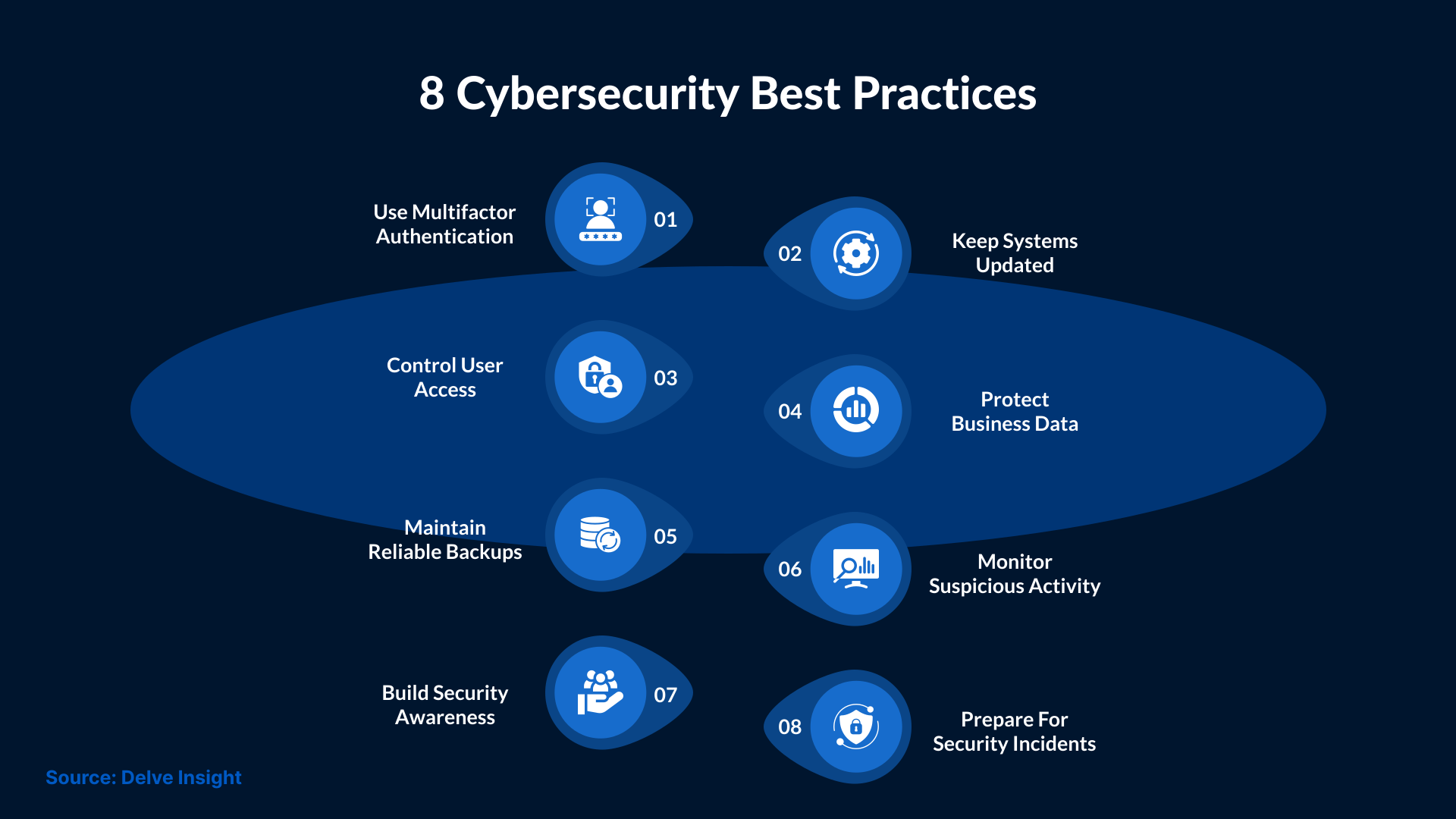
Use Multifactor Authentication
MFA adds another verification step when someone signs in. This makes a stolen password alone less useful to an attacker.
Keep Systems Updated
Software vulnerabilities can provide attackers with a way into the environment. Regular patching helps close known security gaps before they are exploited.
Control User Access
Employees should only have access to the systems and information required for their work. Access should also be reviewed when roles or responsibilities change.
Protect Business Data
It’s important to protect sensitive data based on its value and risk level. Encryption can make exposed data unreadable without the required decryption key.
Maintain Reliable Backups
Regular backups can help organizations recover data after a ransomware attack or another security incident. It’s also important to test the backups at regular intervals to confirm that recovery works as expected.
Monitor for Suspicious Activity
Continuous security monitoring can help identify unusual behavior earlier. With this, security teams can spend more time investigating and responding.
Build Security Awareness
Employees should understand how common threats may appear in their everyday work. Ongoing awareness is very useful in this regard, as it helps them recognize suspicious activity and know when to report it.
Prepare for Security Incidents
Organizations should have a proper plan on how to respond before an incident takes place. A documented and tested response plan can help teams act more effectively when something goes wrong.
Cybersecurity vs. Information Security
Cybersecurity and information security are closely related, but they are not the same. Where cybersecurity focuses on protecting devices, apps, data, and networks, information security protects all kinds of information, whether it is digitally stored, printed on paper, or even shared verbally.
In simple terms, cybersecurity is a subset of information security. Both work on preventing unauthorized access. Both aim to protect the confidentiality, integrity, and availability of information.
The Role of AI in Cybersecurity
AI is becoming an important part of modern cybersecurity. Security teams use AI to analyze large volumes of activity happening in the environment. They are also using AI to identify patterns that may be difficult to spot manually.
AI helps security teams detect unusual behavior quickly. If a potential threat arises, security teams can quickly investigate it with the help of AI. This improves threat visibility and helps teams focus on incidents that need attention.
But it is not just security teams using AI; attackers are also using it to design more convincing phishing messages and automate parts of their attacks. This creates new challenges for organizations.
Just as AI is crucial in cybersecurity, so is cybersecurity crucial to AI. There are several applications, models, and data that support AI, which must be secured against misuse and unauthorized access.
What Is Managed Cybersecurity?
Managed cybersecurity services are delivered by an external security provider that supports some or all an organization’s cybersecurity operations.
These cyber security services may include system monitoring, threat detection, security tool management, and incident response support. Organizations often use them when they need additional expertise or round-the-clock coverage.
In many organizations, the managed provider works alongside the internal IT or security team to extend security capabilities and help manage cyber risk more effectively.
Conclusion
Cybersecurity is the core of how organizations protect their systems, data, and daily operations. As digital environments continue to grow, so do the risks that businesses need to manage.
Organizations can form a strong foundation for reducing risk by having a clear understanding of cybersecurity, its types, common threats, and best practices.
Good cybersecurity cannot be achieved through a single tool or control. It has to come from continuous monitoring and consistent protection. Employee awareness and a clear response plan also play a crucial role. SafeAeon provides managed cybersecurity that protects the environment around the clock and delivers quick responses to threats.