

Key Takeaways
Introduction
Cyberattacks can disrupt business operations to the extent that it may take days or even weeks for businesses to restore their operations. Attackers can expose sensitive data, selling it on the dark web or using it to extort ransom payments from organizations. While there are cybersecurity measures that organizations can take, those measures only prevent and respond to these incidents rather than stopping them entirely. This is where cybersecurity insurance becomes important.
Cybersecurity insurance, also known as cyber insurance, is a mechanism that helps organizations manage certain financial losses associated with covered cyber incidents. Based on the insurance policy, organizations are eligible to recover costs related to data breaches and incident response. In many cases, the costs also cover business interruption and legal expenses as well.
But an insurance policy does not mean every cyber incident is covered. Therefore, organizatons must check the coverage, exclusions and limits. They should also check security requirements, as these can vary between policies.
Let’s get into the details of what cyber insurance is and why it is important. Also, in the discussion is what cyber insurance typically covers and how insurers assess cyber risk. The blog also discusses things that organizations should consider before choosing a policy.
What Is Cyber Insurance?
Cyber insurance helps organizations manage certain financial losses resulting from covered cyber incidents. Depending on the policy, it may help cover expenses related to data breaches, ransomware attacks and business interruption. In many cases, expenses related to incident response and legal services are also covered along with other cyber-related losses.
Unlike traditional insurance, cyber insurance is designed to address risks associated with digital systems, networks, and data. However, coverage varies between policies. It is important for an organization to understand the coverage limits of a policy, along with all the conditions and exclusions, before relying on it for financial protection.
Cyber insurance is important today, but it can’t substitute for cybersecurity. Organizations should invest in quality cybersecurity to reduce exposure to cyber threats. If threats bypass security controls and disrupt operations or steal sensitive data, cyber insurance can help recover certain damages.
Why Is Cyber Insurance Important?
Organizations can face several costs after a cyber incident. They may need to determine what happened and restore the affected systems. Another important part of the process is dealing with customers or legal requirements. If the incident stops normal business operations, they may also lose revenue. If recovery takes longer, these costs can add up quickly.
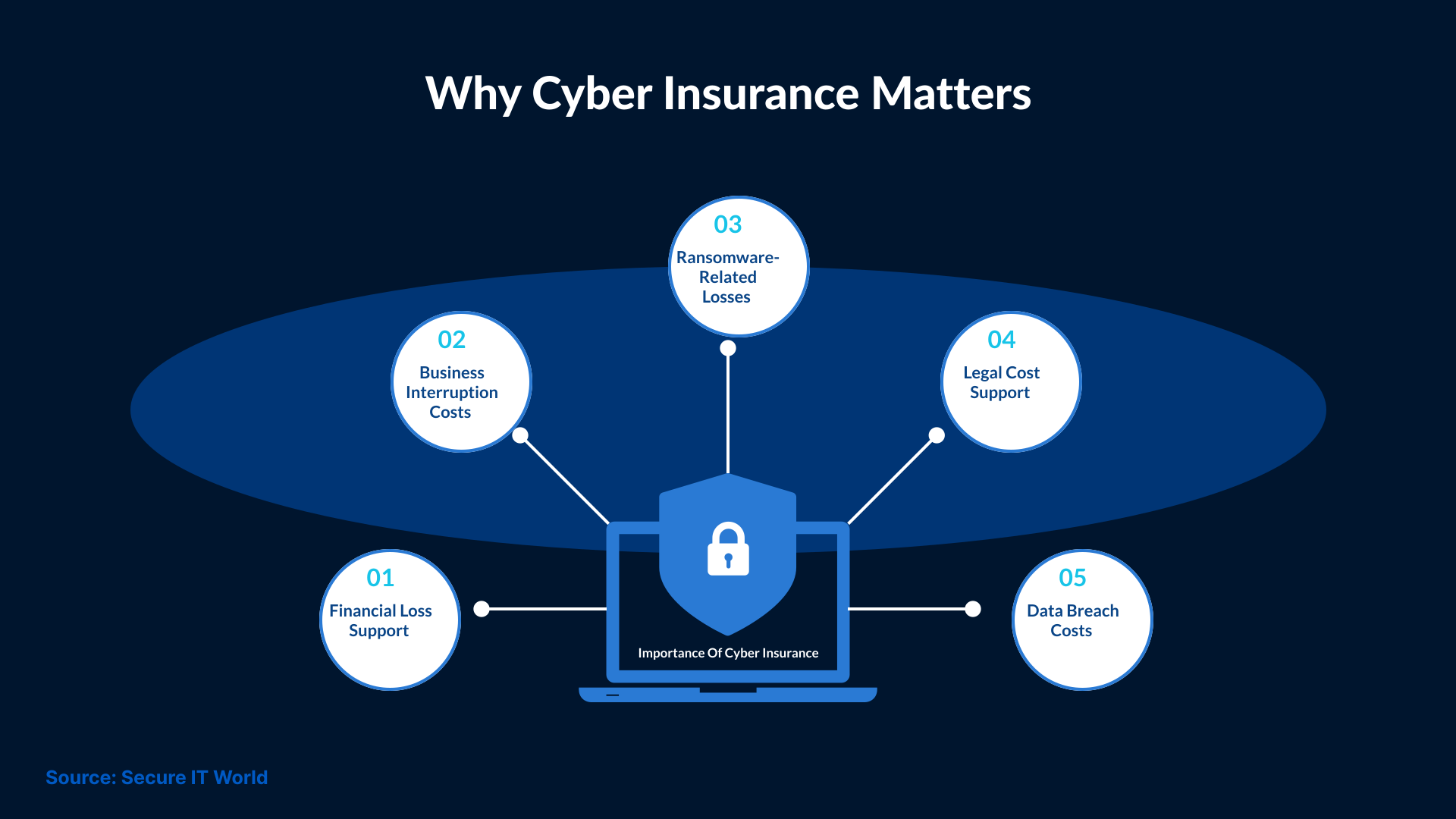
Cyber insurance can help cover some of these costs when the policy provides coverage. Depending on the policy, it may also cover services such as forensic investigation and legal support.
Organizations should have cyber insurance, but not at the cost of security measures. Strong security measures can reduce an organization’s exposure to cyber threats. Cyber insurance can then help with certain financial losses when a covered incident occurs. Insurers may also require organizations to maintain specific cybersecurity controls and follow the right procedures. A policy works best as a part of a broader approach for managing cyber risk.
How Does Cyber Insurance Work?
In cyber insurance, the organization fills out an application with details of its business, technology and security environment, past incidents, and security practices.
Using this information, the insurer assesses the organization’s cyber risk and determines the terms of coverage. These may include the premium, coverage limits, and deductibles. The insurer also mentions exclusions and specific security requirements if an organization has any. The organization then purchases the policy based on the agreed terms.
If a cyber incident happens, the organization should check its policy and follow the steps for reporting the incident. For example, if the policy requires the organization to contact the insurer within a certain time or use specific response providers, the organization must follow the steps to avoid any unnecessary issues when filing a claim. When everything is done, the insurer will review the claim and see which costs are covered.
As every insurance policy is different in terms of coverage and requirements, it’s important for organizations to understand their obligations before an incident occurs. Processing claims becomes easier when organizations know what must be reported and which providers can be used. Information about the required documentation also helps ensure a smooth claims process.
What Does Cyber Insurance Cover?
The coverage depends on the policy. Some providers cover the organization’s own losses, while others cover costs related to claims from customers or other third parties.
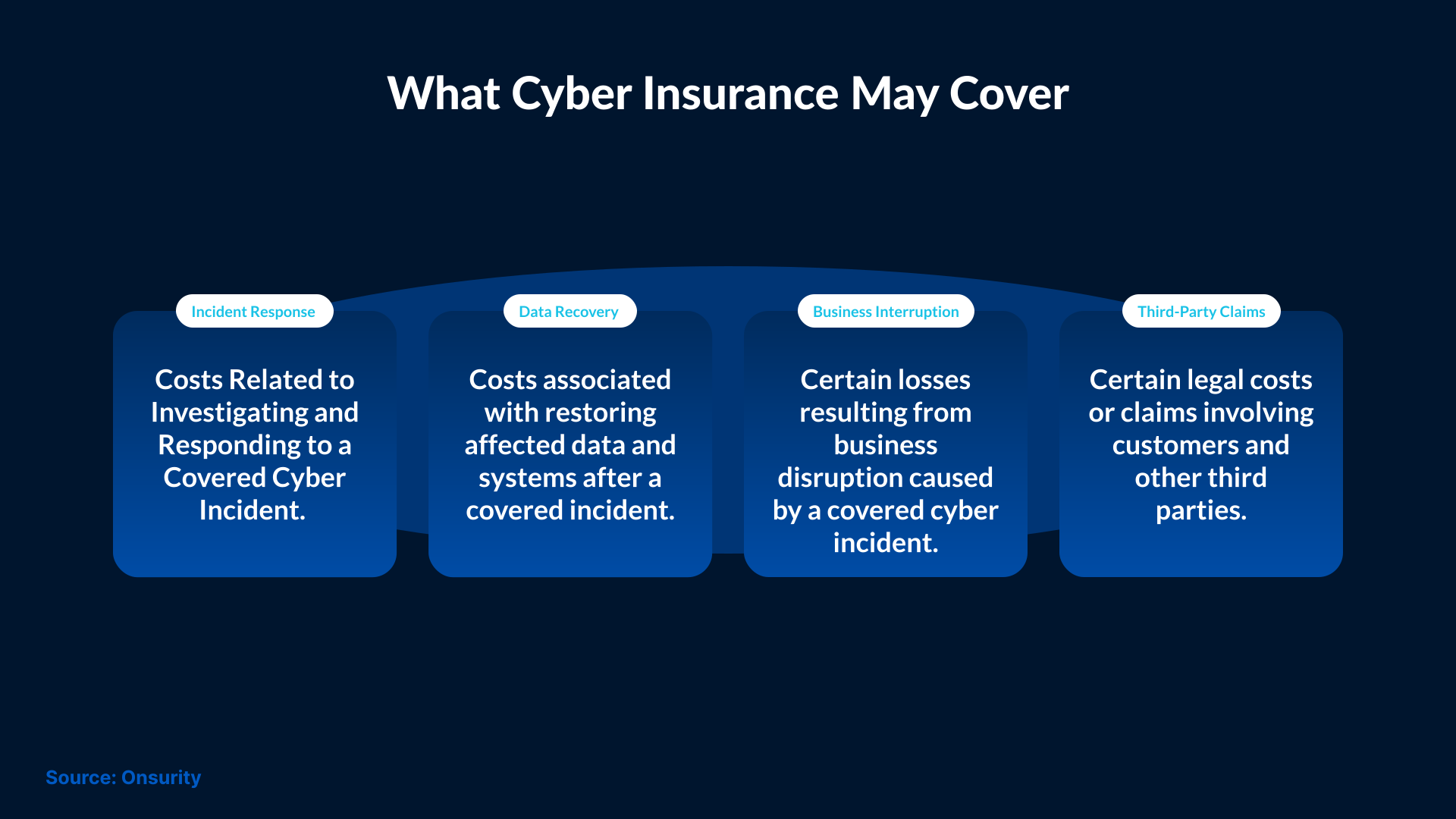
First-party coverage applies to losses that affect the organization itself. This can include the cost of finding out what happened and recovering data. Coverage may also include system restoration and business interruption losses. Some policies also cover customer notification, public relations support, or costs related to cyber extortion and ransomware.
Third-party coverage applies when another person or organization makes a claim against the business because of a cyber incident. Depending on the policy, this may include legal costs, settlements, or other expenses related to the claim
What Does Cyber Insurance Not Cover?
Cyber insurance does not cover every loss caused by a cyber incident. What’s excluded depends on the policy, though some exclusions are common in cyber insurance policies.
For example, a policy may not cover a loss if the organization failed to meet a security requirement stated in the policy. Some policies may have conditions related to security controls and patching that they expect organizations to maintain.
A policy may not cover all types of losses in the same way. For example, losses incurred due to ransomware or business interruption may have a separate limit. Some losses may be excluded if they are not related to a covered cyber incident.
Therefore, it is important for organizations to check the exclusions and limits before buying a policy. Knowing what is not covered is just as important as knowing what is covered.
Cyber Insurance vs. Cybersecurity: What’s the Difference?
Cybersecurity is a practice of protecting endpoints, networks and data from cyberattacks. Cyber insurance is a policy that helps organizations receive compensation for the losses incurred in their IT environment. Both concepts are meant to protect the interests of organizations, but in different ways.
Neither can replace the other. Cybersecurity helps prevent and limit the impact of security incidents, while cyber insurance can help manage certain financial losses they cause.
What Cybersecurity Controls Do Insurers Consider?
Insurers look at an organization’s security controls when assessing its cyber risk. The requirements can vary based on the insurer, industry, company size, and coverage.
Essential Core Controls
These are some of the main controls insurers may look for:
- Multi-Factor Authentication (MFA): MFA adds another step when users sign in. It is especially important for admin, remote, and email accounts.
- Endpoint Detection and Response (EDR): EDR monitors devices for suspicious activity. This allows security teams to quickly respond to threats.
- Patch Management: Ensure systems and software used in the environment are up to date. Critical security fixes should be applied without unnecessary delay.
- Secure Data Backups: Creating regular backups of sensitive data is important. It's also important to test the backups to confirm they are working.
Advanced Security Measures
Organizations may also use additional controls to improve their security:
- Email & Web Security: Email security can help block phishing and malicious messages. DMARC, SPF, and DKIM can help verify email sources.
- Incident Response Plan (IRP): A written plan that clarifies what to do when an incident occurs. It should also make it clear who handles each task.
- Privileged Access Management (PAM): Access to sensitive systems should be limited. Privileged accounts should also be monitored.
- Employee Security Awareness Training: Employees should know how to spot phishing attempts. Regular training can help reinforce this knowledge.
Governance & Third-Party Oversight
- Vendor Risk Management: Third-party vendors should be reviewed before they are given access to systems or data.
- Security Logging & Monitoring: Security activity should be logged and reviewed. This can help identify unusual activity.
How Much Does Cyber Insurance Cost?
There is no fixed cost for cyber insurance for companies. Several factors affect insurance premiums, including business size, industry, and required coverage. Even the level of cyber risk can affect the premium.
Insurers may also review the company's current security measures. If an organization has a history of cyber incidents and has made claims, then those can also affect how insurers assess the organization.
Coverage limits can also affect the premium cost. A policy with a higher coverage limit may cost more than one with a lower limit.
Since every organization has a different risk profile, it is not possible to judge the actual cost from a general price estimate. Organizations should compare quotes, along with reviewing what each policy covers, before making a decision.
Who Needs Cyber Insurance?
Organizations that are dependent on digital systems or those handling sensitive data may consider cyber insurance. Whether they need it or not depends on their exposure to cyber risk.
For example, organizations that store customer or employee information may face additional costs in case of data exposure. Businesses that depend heavily on technology may also suffer financial losses if their operations are disrupted by a cyber incident.
Cyber insurance may also be relevant for organizations that provide technology or digital services to clients. A security incident could disrupt the services they provide.
Cyber insurance can be equally important for insurance companies because they handle sensitive customer, financial, and claims information. However, insurance alone is not enough. Cybersecurity for insurance companies plays an important role in protecting this data and reducing exposure to cyber threats.
However, the level of coverage needed will vary from one organization to another. Therefore, businesses should first understand the cyber risks they face. This can help them decide what level of coverage they may need.
Cyber Insurance for MSPs and MSSPs
MSPs and MSSPs manage technology or security services for their clients. If a cyber incident struck the provider or its clients, it could create additional risks.
For example, an incident at an MSP or MSSP may interrupt services provided to clients. It may also lead to a claim if a client believes that the provider failed to meet its responsibilities.
If the MSP or MSSP has cyber insurance, the policy may cover certain financial losses resulting from the incident. But it’s important for them to review what the policy covers. The policy should align with the services they provide. MSPs and MSSPs should review client contracts when considering coverage.
Cyber insurance works best alongside strong cybersecurity practices. It does not replace the security controls needed to protect the provider and its clients.
How to Choose a Cyber Insurance Policy
In order to choose a cyber insurance policy, you need to first understand the risks your organization faces. Doing this will help you determine the type of coverage you may need. Here are some points that can help you choose the right cyber insurance policy for your organization:
- Check what the policy covers and the coverage limits. Also, check the amount you would need to pay toward the covered claim.
- Check the exclusions as well because they explain when coverage may not apply.
- Some policies also have specific cybersecurity requirements. Make sure you go through these requirements and ensure that the organization can meet them.
- The claims process should also be clear before you buy a policy. Check how soon an incident needs to be reported. Some insurers may also require the use of specific service providers.
- Compare different policies before making a decision. If you don’t understand any terms or conditions, ask the insurer or broker for clarification.
What Happens After a Cybersecurity Incident?
After a cyber incident, the organization should follow its incident response plan. It needs to take all the steps necessary to limit further damage. If the organization is insured, then it can check the insurance policy for any reporting requirements.
The organization should notify the insurer about the incident within the timeframe stated in the policy. Some policies state that only approved providers may be used for incident response or other services.
Next come the records of the incident and related costs, which must be kept in order because they may be required when filing a claim.
As the organization submits the claim, the reviewing process begins, where the insurer determines which losses are covered. Any payment will depend on the terms of the policy and the coverage available for that incident.
Common Cyber Insurance Mistakes to Avoid
Cyber insurance does not cover every cyber-related loss. Therefore, it’s important for organizations to understand their cyber insurance policy and avoid mistakes that may cause problems when making a claim.
Some common mistakes include:
- Not Reviewing Exclusions: Assuming an incident is covered without checking what the policy excludes.
- Providing Inaccurate Information: Incorrect details about security practices may affect how a claim is handled.
- Ignoring Security Requirements: Some policies require certain security controls to already exist in the organization's environment during the coverage period.
- Reporting an Incident Late: Claims processing can be affected by delaying notification to the insurer.
- Not Keeping Proper Records: Missing records can make it harder to provide the information requested during a claim.
Conclusion
Cyber insurance provides financial support to organizations when they experience losses due to cyber incidents. However, financial support is only available for losses covered by the insurance policy. Therefore, it becomes important for organizations to understand what the policy covers and what it doesn’t before making the final decision. The policy should also reflect the risks faced by the organization.
The importance of cyber insurance is undeniable, but it still cannot replace cybersecurity. Cyber insurance works best when an organization has taken strong security measures to reduce the risk and impact of an attack.
SafeAeon provides managed cybersecurity services that help organizations improve their security. For organizations in the insurance sector, insurance cybersecurity services can help improve security controls. These services can help protect sensitive information from cyber threats. Cyber insurance can then provide financial support for certain losses when a covered incident occurs.