

Introduction
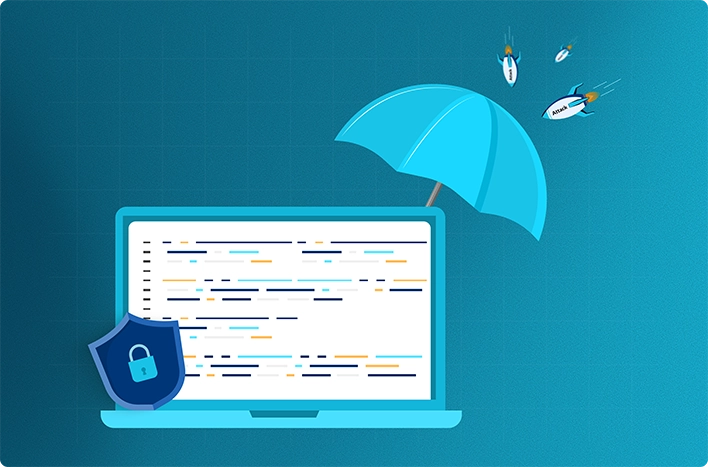
The reports of cybersecurity breach at some company became a new normal for us. Gone are those days, when only big technology or IT companies were targeted. Healthcare, Manufacturing, Educational, Finance, there is hardly any sector which is not compromised in last few years. But in most of cases, breach may be thwarted, if few basic things were taken care.
Ways to Protect your busines against cybersecurity attacks
So let’s discuss how you must prepare to protect your business against
Identify Risks to your Business
It is the most crucial step before planning the cybersecurity posture for your organization. You must be well aware of all the potential risks your business may face, categorize them according to the risk they pose and make a list of top threats your organization may meet and plan accordingly. Like in the case of financial services providers, there is always a risk of a data breach.
Identify Critical Assets and Data
This is another critical step, and you must be well aware of all the vital data your company posses, where it is stored, and who has access to it. Only if you know about it only then you can protect it. Also, you must make a list of all the critical assets like servers, firewalls, routers that need protection.
Strong Password Policy
Your organization must have a proper password policy and implement it rigorously. This includes strong alphanumeric passwords that are regularly changed after time and use of multi-factor authentication while accessing critical assets.
Bring in a cybersecurity expert
You must have at least one person who has the proper knowledge and can handle all these and must be responsible for enforcing all the cybersecurity policies.
Proper Backup
You must have a backup for all the important data your organization has and backup must be taken on a daily basis. Critical data must be stored in encrypted form while stored on cloud for backup.
Separate personnel account
As more and more companies are allowing BYOD devices, you must ensure all those employees must use different accounts for business and personal use.
Access Control
A person can access only those assets or data for which he is authorized and the level of access must also be controlled.
Restrict Remote access
RDP ports are one of the favorite attack vectors of hackers, all the remote access to any of your organization assets must be denied unless it is through secure dedicated VPN, which must use encryption and a very strong authentication mechanism.
Train your staff
All your staff must be regularly trained to deal with cybersecurity threats, as, in the majority of cases, there is always an insider whose mistake costs the organization a huge financial loss.
Patch and Update management system
A system must be in the place to handle regular patches and updates for not only your system OS but also for the applications and software that are used in your organization.