

Key Takeaways
Introduction
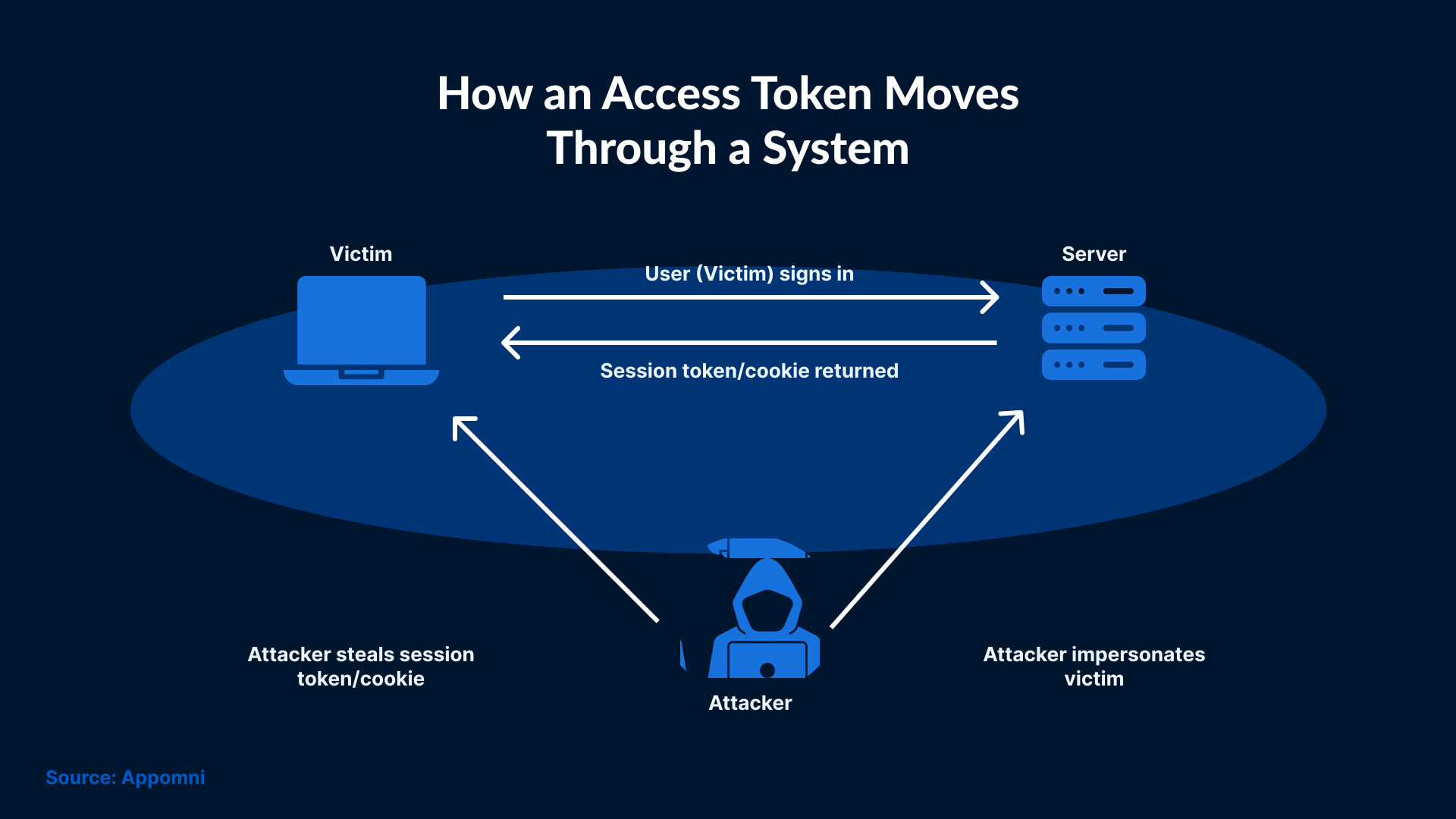
An API token is like a small digital key that tells a system that a user or an app is allowed to act in the system. When this key gets stolen, attackers act as real users and misuse the account. It’s called API token hijacking, and this issue has grown in the last few years. Most companies are not able to detect this problem in time. It’s important for IT/security teams to understand token theft to respond quickly and build stronger protection for future attacks.
What API Token Hijacking Is and Why It Matters
API token hijacking is a scenario that occurs when an attacker takes a token from a real user or a trusted app. Then, this stolen token is used to enter a system. The attacker doesn’t need a password because this token acts as a key to enter and misuse the system. Many apps nowadays trust tokens because they validate the identity of real users. But when a token is stolen, the trust is broken. This can lead to unwanted access to data or actions inside a system. This is what makes token hijacking a serious threat.
How Attackers Steal API Tokens
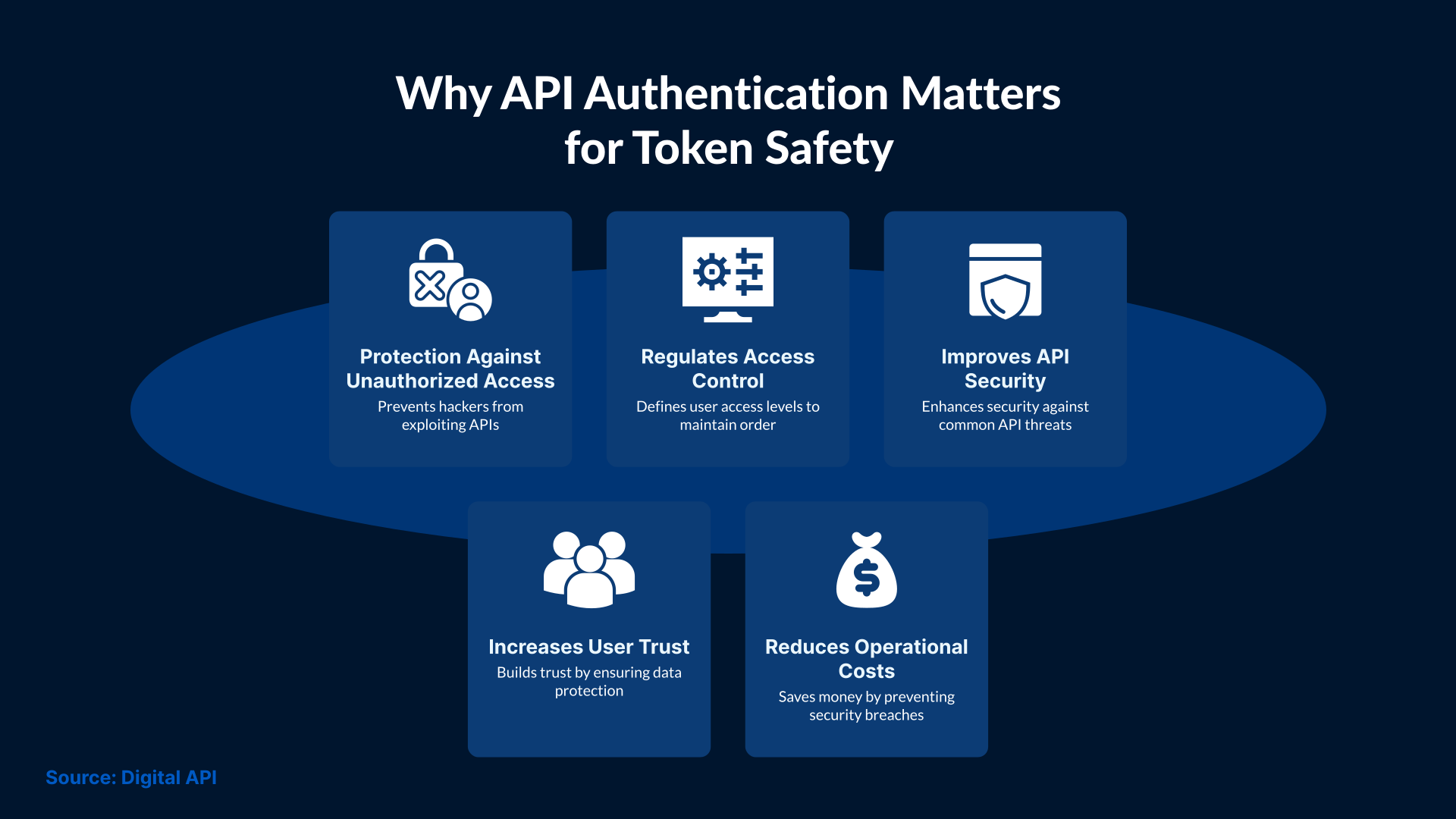
Attackers use simple yet effective methods to take API tokens. Here are some methods they use:
- Inserting harmful code inside a site. This code can read tokens from a browser.
- Sending fake links, which users then click unknowingly. And as they do, they share the tokens with attackers.
- Attackers also search public code sites for tokens that were accidentally pushed.
- Some apps store tokens in unsafe files. Attackers are always on the hunt for such files, and when they find them, they take the tokens.
- Unprotected network traffic can also become the reason for stolen tokens because they move between systems. Attackers easily copy those tokens and use them to their advantage.
Different Types of Tokens and Their Risk Levels
API tokens come in different forms, and each form has a different risk level. Here are the main types of tokens used:
- Access tokens: With these tokens, attackers can get a short-term entry to a system. Attackers can use these tokens right after stealing them.
- Refresh tokens: Attackers steal refresh tokens to create new access tokens without user action. These tokens also last for a longer period.
- API keys: These keys can stay the same for a long time. Attackers want these tokens to continue a particular task until someone resets them.
- Service account tokens: These are powerful tokens used to help systems talk to each other. Attackers target them because of their high impact.
How the Token Hijacking Attack Chain Works
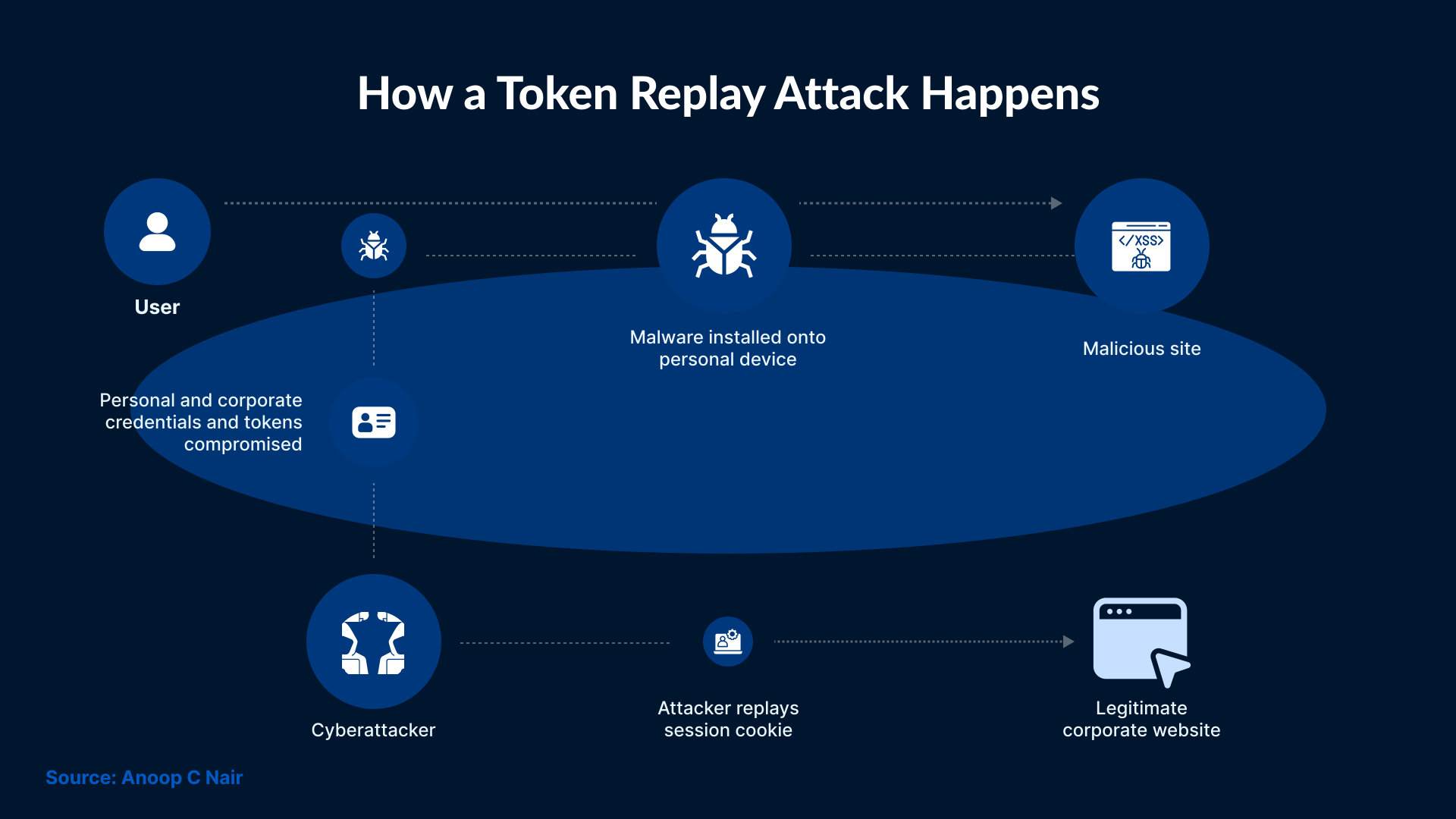
A token attack begins with an attacker stealing a valid token. The first thing that the attacker checks is whether the token is active or not. After the attacker checks this, they send a small request to learn what the token can do. This information is crucial because that’s how an attacker will determine the role and power linked to the token. The next thing would be to scan more API paths that need high trust. If the token can work on those paths, then the attacker keeps going further to find more paths. The ultimate goal is to collect data or modify settings. Sometimes, an attacker may add new tokens to stay inside the system. The whole process is often carried out very slowly, without anyone’s notice.
How Compromised Tokens Are Exploited in Real Attacks
There are a number of ways in which compromised tokens are exploited in real attacks.
- A stolen token allows an attacker to act like a real user or a trusted app. The attacker can read and change data, send new requests that will look normal, and remain undetected within the system.
- The attacker can use tokens to reach private API paths where billing-related or user data is stored.
- The attacker can use the token to create new accounts with wide powers. These new accounts allow the attacker to return later to inflict more damage.
- In some cases, the attacker uses the token to turn off alerts inside the system. This keeps the attack quiet for a longer time.
How to Detect Token Replay and Unusual Token Activity
Token replay is hard to see because the attacker has already used a valid token. You can still spot signs if you see any strange patterns. One of the common signs is seeing the token being used from a new place. Another sign is a token used at a time that does not match normal use. You can also spot fast requests across many API paths. This can show that an attacker is testing your system. You should also watch out for tokens that are accessing data that they never accessed in the past. Additionally, look for tokens that make changes without a known user action.
Recovery Steps After a Token Compromise
Here are the steps you need to consider in order to recover your system from hijacked tokens:
- Stop the token from working. You can do this by revoking the token. If the system allows you, you can also reset the token.
- Once that is done, force all the users linked to that token to sign in again. Doing this will block the attacker from using old sessions.
- You need to check the logs to see how the attacker used the stolen token. This helps you see what data was touched.
- If the attacker has created new accounts, then you will have to find and remove all those accounts to stop further damage.
How to Protect Tokens from Attack
Having a strong token design can help prevent token hijacking. One way to reduce the risk is to give your tokens a short life. This will limit the time an attacker can use a stolen token. You should also limit what each token can do. A token should have the least power needed for the task.
Where you store the tokens also matters. If you store tokens in a secure store, then attackers cannot steal them easily. You can use checks that tie a token to one device. This will help stop misuse on other devices. You can also consider rotating the tokens on a set schedule to reduce long-term risk.
Token Security Considerations for Cloud and SaaS
Cloud systems and SaaS apps use many tokens. These tokens help users and services work inside the cloud. A stolen token does not spread on its own. An attacker uses the stolen token to move through different parts of the cloud system. Some cloud tokens can start new servers, while others can read large sets of data. This is why each token should only have the power it truly needs. Cloud logs can help you notice strange token use. You can look for tokens used in new places or on new devices. You can also block token use from locations that you do not trust. These steps will make it more difficult for an attacker to move undetected.
Conclusion
API token hijacking is a serious threat. Tokens help users and apps work safely, and when these tokens are stolen, they break that safety. This can lead to data loss or hidden changes inside a system. It’s important for teams to have a clear plan in order to act fast when a token is stolen. Strong checks also help stop future attacks. SafeAeon helps recover a system after a token is hijacked. They also help limit the power of tokens, which keeps the system safe even if a token is taken. With the right steps, your team will be able to face this threat with more confidence.