


Key Takeaways
- According to IBM, organizations with strong compliance save millions in breach-related costs.
- PCI DSS v4.0 (Mar 2025) and NIST CSF 2.0 demand tighter governance, monitoring, and accountability.
- From risk assessments to SOC monitoring, MSSPs provide end-to-end compliance support that scales with your business.
Introduction
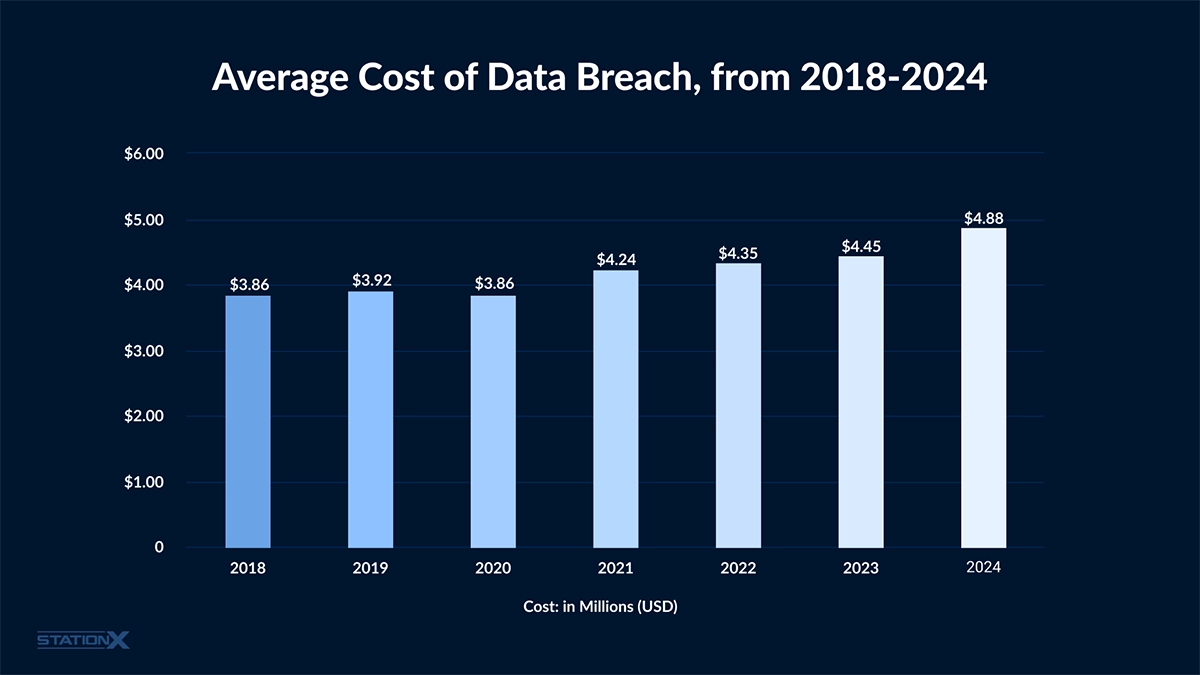
Data breaches are not only becoming increasingly common but also expensive. Every year, businesses suffer huge losses due to data breaches. In 2024, the average cost of a data breach was $4.88 million globally, according to IBM’s DBIR report. This could have been avoided had organizations used structured programs and the right cybersecurity compliance services.
Most data breaches occur due to simple reasons, such as weak passwords and phishing. This is something that can be fixed with proper policies in place in organizations.
Compliance rules have also become tighter. In March 2025, PCI DSS v4.0 added new requirements. Organizations will now need stronger authentication, better monitoring, and malware protection. Then there is the NIST Cybersecurity Framework 2.0, which has also added a ‘Govern’ function to hold companies more accountable.
We are heading in a direction where cybersecurity compliance will no longer be an option. Every organization will have to hire cybersecurity compliance services to secure itself, pass the audits, and avoid penalties.
1. Risk Assessments & Gap Analysis In Cybersecurity Compliance
It’s not possible to imagine cybersecurity compliance without risk assessments and gap analysis. They are both an integral part of compliance.
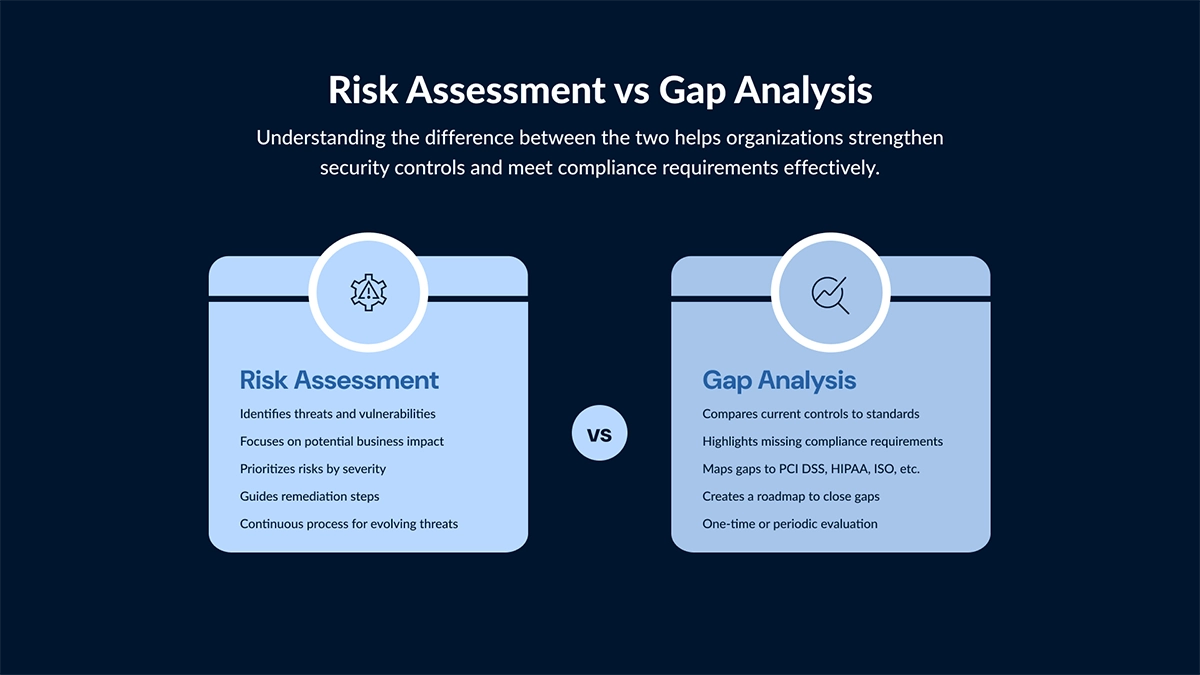
What are risk assessments for? Identifying threats and vulnerabilities that could harm your systems.
What about gap analysis? These show how your current controls compare to industry standards or regulatory frameworks like PCI DSS, ISO 27001, HIPAA, and NIST CSF.
What does risk assessment include?
- Checking all the systems, processes, and data flows for any weaknesses.
- Performing remediation steps according to the risk level and business impact.
What does gap analysis include?
- Finding gaps against compliance frameworks such as PCI DSS, HIPAA, GDPR, and SOC 2.
- Creating a roadmap on how to close compliance gaps.
Why It Matters:
Skipping risk assessments and gap analysis will get organizations penalized for not being compliant. Moreover, their system vulnerabilities will remain unchanged. So, skipping these is not an option. It’s important to find cybersecurity compliance services to get both these steps done before any major issues appear.
2. Policy Development & Documentation For Regulatory Compliance Standards
Organizations must set up clear policies explaining who can do what, when, and how. This ensures that security isn’t left to guesswork. Using the best technology will be of no use if there are no clear policies in a company because people don’t know what’s expected of them.
This is where a cybersecurity compliance service can come in. They can create, update, and maintain security policies that match industry standards like ISO 27001, HIPAA, GDPR, PCI DSS, and NIST CSF 2.0.
What It Covers:
- Access control policies
- Incident response plans
- Vendor & third-party policies
- Data retention & disposal policies
- Secure development guidelines
Why It Matters:
- Well-defined policies give an impression to auditors and regulators that security is a top priority in the organization.
- Proper policies compel employees to handle sensitive data with care.
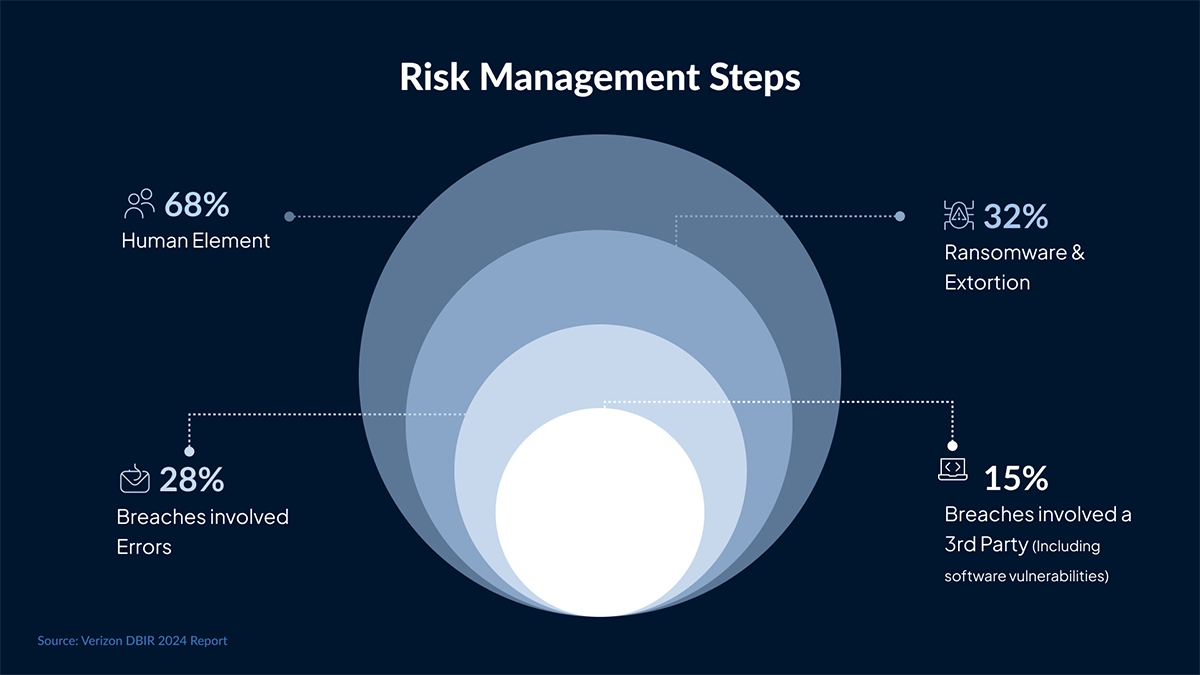
- They also result in fewer mistakes, reducing the chances of data breaches. A report by Verizon in 2024 shows that 68% of breaches involve the human element.
3. Vulnerability Management & Penetration Testing Services for Security Compliance
Vulnerabilities in the system pave the way for hackers to sneak in and steal data. Unpatched systems or weak spots in networks and apps are common ways by which hackers inflict damage on organizations.
Here, vulnerability management can be very handy, as it scans the systems continuously for flaws like outdated software or misconfigurations. It also fixes them before attackers can.
Then comes Penetration Testing, popularly known as ‘Pen Testing’, which is a more advanced process. It simulates real-world attacks to see how far hackers can go after breaking into the system.
Verizon's 2024 DBIR report mentions that system intrusion accounts for 36% of the breaches that occurred in 2024.
What It Covers:
- Scheduled vulnerability scans with prioritized reports
- Patch management and remediation timelines
- Manual and automated penetration tests
- Retesting after fixes to confirm security
- Reports for compliance audits (PCI DSS, SOC 2, ISO 27001)
Why It Matters:
- Catches weaknesses before cybercriminals do
- Meets compliance requirements for continuous monitoring
- Proves to auditors that security controls are tested regularly
4. Data Protection & Encryption Services to Protect Sensitive Information
The aim of any compliance framework is to protect sensitive data. It could be customer information, payment details, or health records; regulators want the data to be safe from unauthorized access. There are two methods of doing that: data protection measures and encryption.
Data protection includes strategies like Data Loss Prevention, access controls, and monitoring tools that stop sensitive data from being misused.
Encryption converts data into unreadable code, making it useless for attackers. Even if they steal the data, all they will see is unreadable codes. Compliance standards like PCI DSS, HIPAA, and GDPR require strong encryption.
What It Covers:
- Encryption of data at rest and in transit
- Key management policies (rotation, secure storage, revocation)
- DLP solutions to detect and stop data leaks
- Access control policies (principle of least privilege)
- Regular audits to confirm compliance with frameworks
Why It Matters:
- Meets regulatory requirements for protecting sensitive data
- Reduces the impact of a breach, since stolen encrypted data is unreadable
- Builds customer trust by showing a strong commitment to data privacy
5. Security Awareness & Compliance Training to Reduce Human Error
Technology alone can’t stop breaches. Most breaches occur due to human error, when employees click on phishing emails, reuse passwords, or mishandle sensitive data. Organizations need to invest in security awareness and compliance training to reduce human error.
Training programs can teach staff how to spot threats, follow company policies, and handle data securely. Many compliance frameworks, like HIPAA, PCI DSS, and ISO 27001, have made it mandatory for employees to undergo training as part of maintaining certification.
What It Covers:
- Phishing simulations and real-world attack scenarios
- Role-based training (IT staff, finance, HR, etc.)
- Educating about different compliance networks like PCI, HIPAA, and GDPR, on how to handle sensitive data
- Policy acknowledgements and employee attestations
- Ongoing awareness campaigns
Why It Matters:
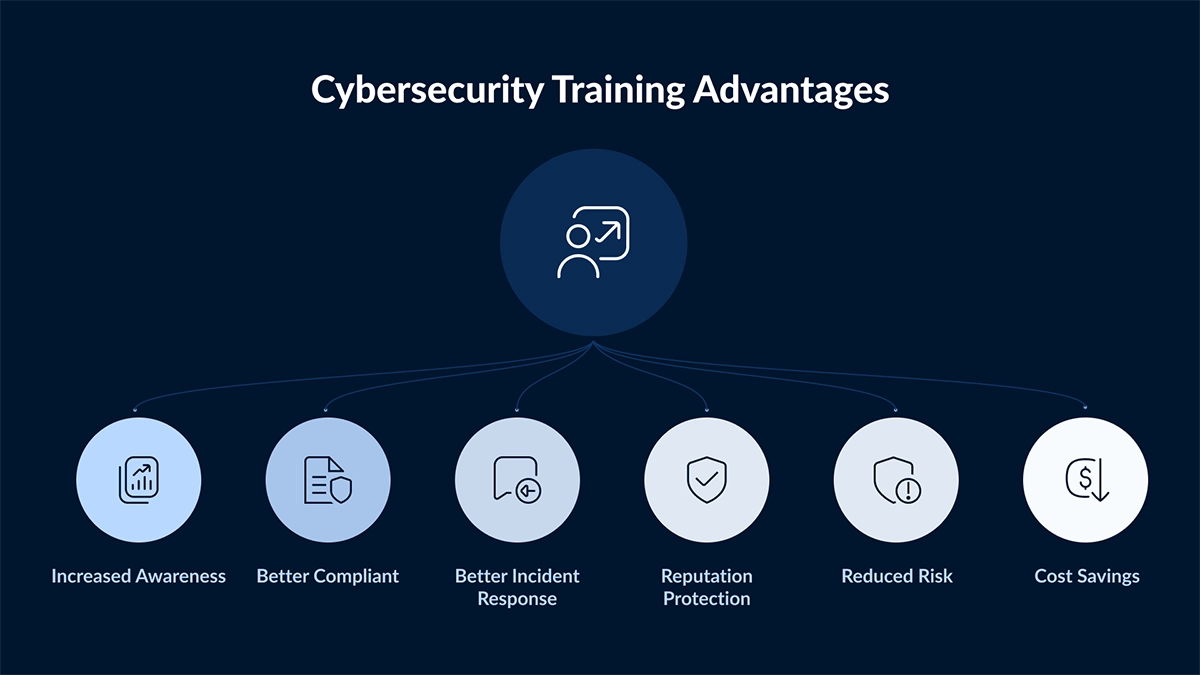
- Reduces human error, which is a top cause of breaches
- Creates a culture of security and accountability
- Provides audit evidence of compliance with training requirements
6. Audit Readiness & Reporting Services for Smooth Compliance Audits
It’s not possible to pass an audit by having a set of tools. Companies must prove that their security controls are up and running. This is where audit readiness and reporting services can come in.
These services can help companies collect evidence, test internal controls, and prepare detailed reports. They also ensure regular readiness checks so that companies always meet updated standards without delays or penalties.
What It Covers:
- Collecting audit evidence such as logs, reports, policies, and attestations
- Running mock audits to find issues early
- Control testing and validation
- Making framework-specific reports
- Tracking remediation of findings before the official audit
Why It Matters:
- Helps reduce the stress of regulatory audits
- Prevents delays or penalties
- Shows regulators and clients that security is taken seriously
7. Continuous Monitoring & Managed SOC (MDR/XDR) for 24/7 Threat Detection
Cybersecurity is a 24/7 process. Cyber threats don’t stop even after office hours, which is the reason that many companies prefer Continuous Monitoring and Managed Security Operations Centers. This is often delivered as Managed Detection & Response or XDR (Extended Detection & Response) services.
These services allow around-the-clock monitoring of systems, networks, and applications for suspicious activity and respond to them at once. Security teams use advanced tools like SIEM (Security Information and Event Management), threat intelligence, and automation to catch attacks faster.
What It Covers:
- Perform real-time monitoring and log collection
- Detect threats, triage alerts, and respond 24/7
- Compliance-ready reports that include log retention, evidence of incidents, and escalation records
Why It Matters:
- Detect breaches quickly to prevent their spread
- Meet compliance requirements for continuous monitoring
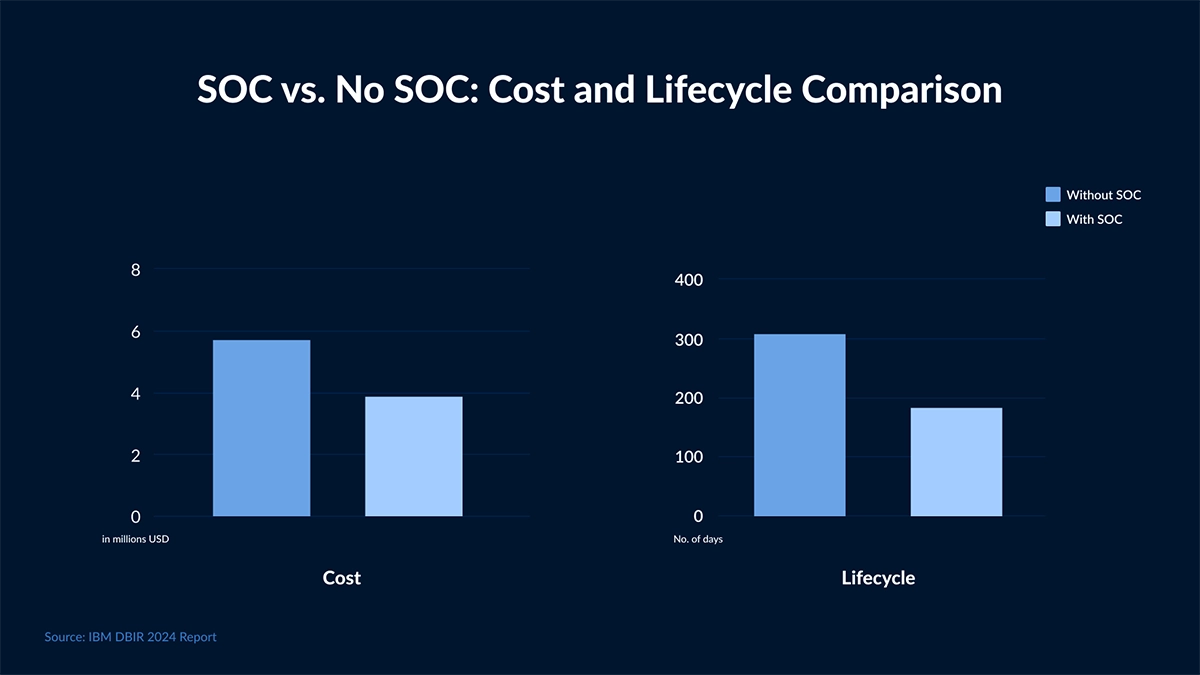
- Reduce the cost and duration of security incidents
Conclusion
Cybersecurity compliance is not about passing audits; it is about protecting customers, avoiding costly breaches, and proving your commitment to security. Every part of cybersecurity compliance plays a vital role, be it risk assessments, policies, or SOC monitoring. Contact SafeAeon to make compliance a part of daily operations instead of a one-time effort. It will help your businesses reduce risks, earn trust, and stay ahead of upcoming regulations.