

Key Takeaways
Introduction
Cyber attacks are often associated with cybercriminals, but how do they manage to breach organizations with high-tech security systems? There are always some loopholes left by mistake or through malicious intent that allow attackers to exploit vulnerabilities. This is known as an insider threat. The problem with insider threats is that they are difficult to spot and cause more damage because they come from trusted insiders with legitimate access. Due to these reasons, organizations need to watch out for potential insider threat indicators as part of their cyber awareness practice. Let’s find out more about insider threats and how to protect your organization against them.
What Are Insider Threats and Why They Matter
An insider threat is a type of cyberattack that originates from an individual working in your organization or who has authorized access to its systems or networks. It could be a current or former employee, a board member, a consultant, or even a business partner. Insider threats can be intentional, accidental.
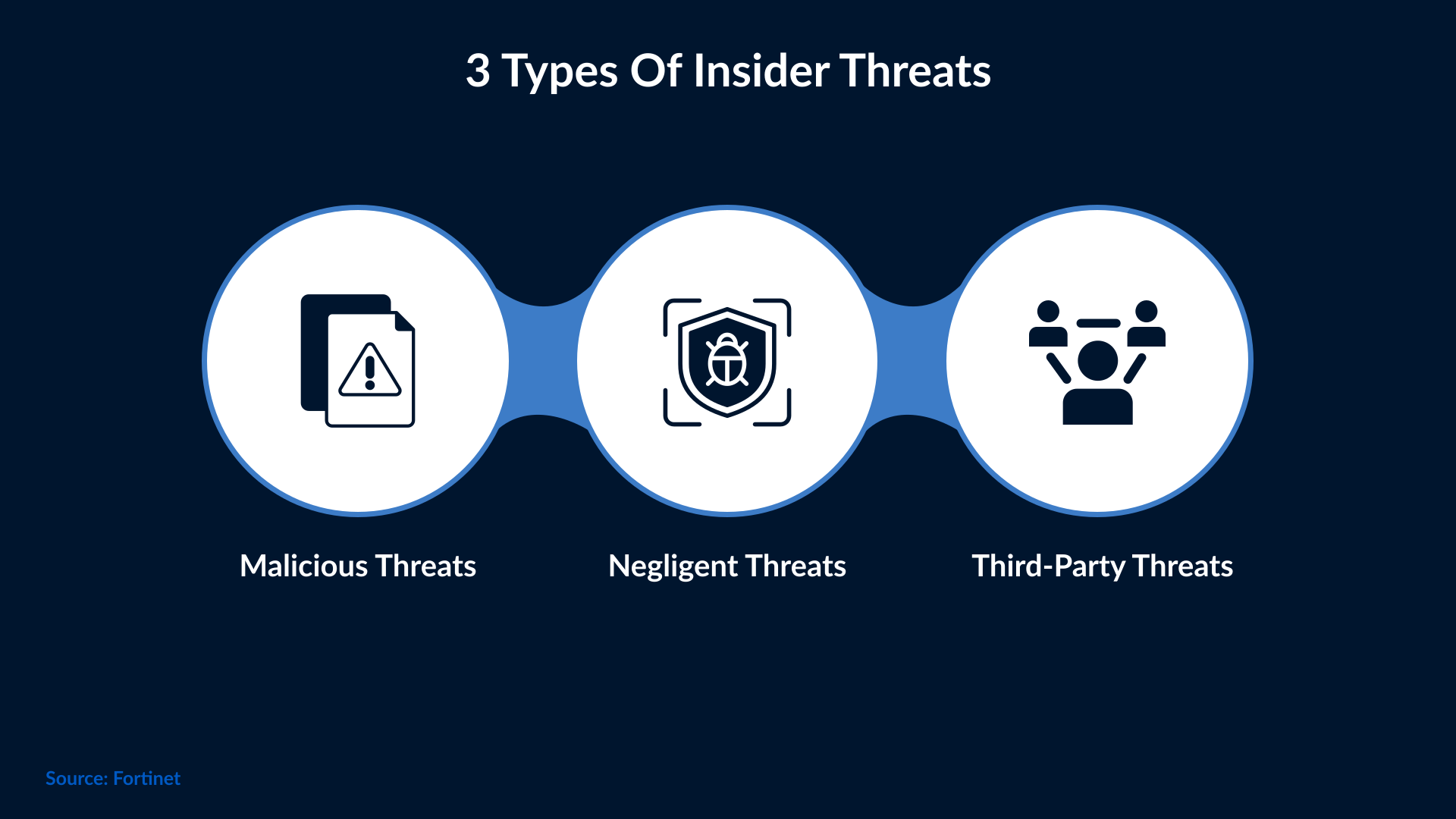
There are three main types of insider threats:
Negligent employees and contractors: Internal users can cause harm without malicious intent, whether through negligence, ignorance, or error. For example, someone can bypass update installations, send sensitive emails to the wrong recipients, or fall victim to phishing scams.
Malicious insiders: They take deliberate actions to harm the organization in multiple ways. The actions usually include leaking sensitive data, sabotaging systems, or stealing intellectual property for revenge or personal gain.
Credential theft: In this case, an external attacker steals the credentials of a legitimate user to gain access to the corporate network, becoming an ‘insider’.
Difference Between Human and Technical Warning Signs
Insider threats are dangerous even for the most secure organizations, so it’s important to identify them early.
Usually, warning signs from humans are the first to appear. You might notice emotions such as frustration, disengagement, or a sudden drop in performance of the person suspected of an insider threat.
Then come the technical indicators, which can be observed through activities like logging in to systems at odd hours, large data transfers, or privilege escalation.
Warning signs identified by humans or systems shouldn’t be viewed in isolation. Security teams must combine these signals because they provide a clear picture of what’s really happening inside the network.
5 Key Insider Threat Indicators
Not all insider threats start with technical red flags. Some start with subtle human behaviors as well, which often go unnoticed. It’s important to recognize the patterns to prevent major incidents from happening. Watch for signs such as heightened agitation, expression of resentment towards the company, especially from departing employees, who may be stealing internal data, mentioning revenge, or possible gains.
These are emotional signals that act as early warnings, but if you find more specific actions, then it’s possible that the plan is being executed. Here are some of the most common insider threat indicators you should know:
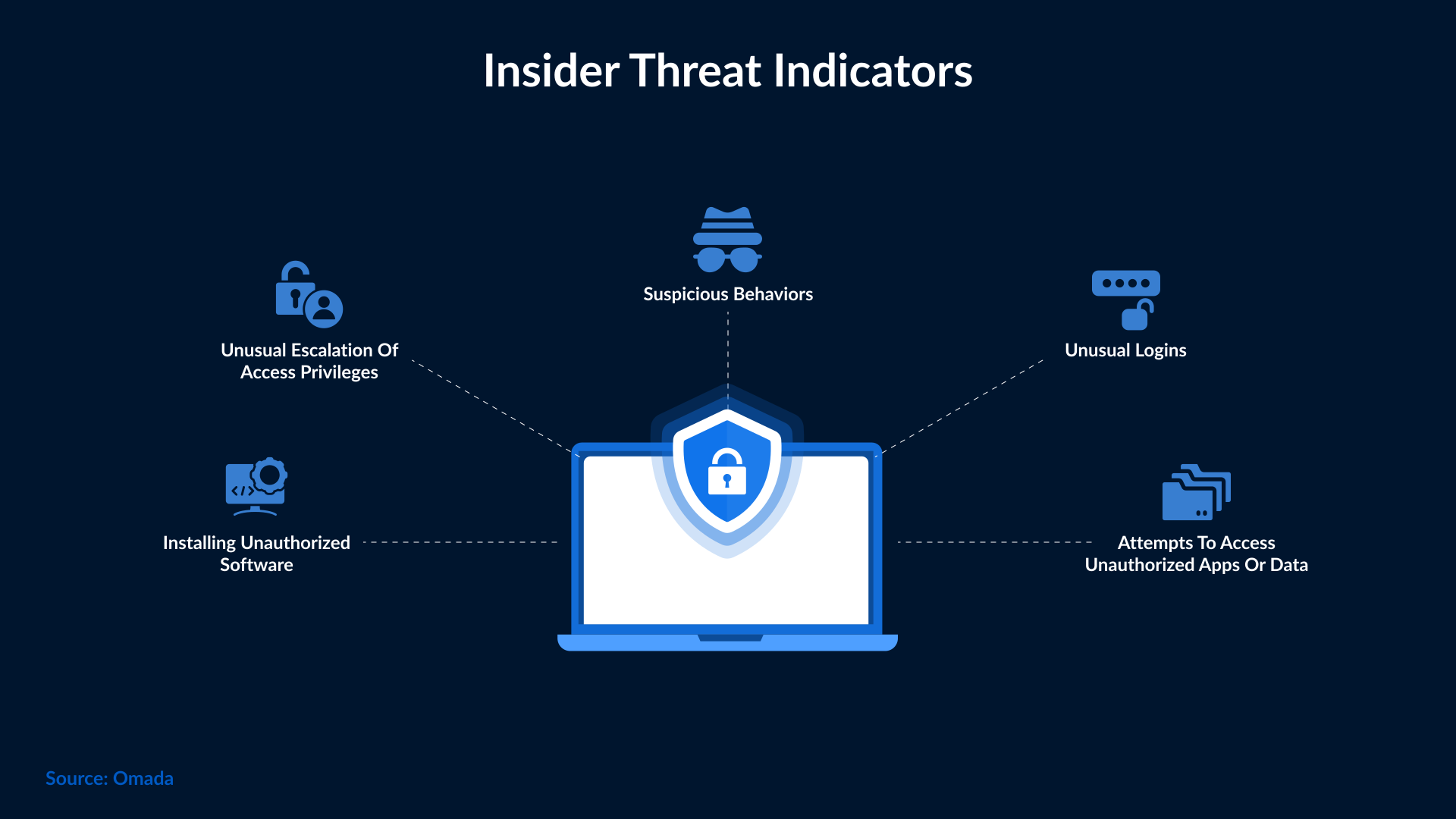
Unnecessary access requests: Each user only needs access to certain data. For example, accountants don't need access to design files, and system developers don't need financial records. If an employee or contractor tries to access a file that doesn't belong to their job, it’s a red flag.
Unauthorized user escalation: The more access an insider threat has, the easier it is to steal the data or hide their actions. When employees try to escalate their privileges unnecessarily, they could be paving the way for an attack.
Use of unauthorized media: Attempts to use prohibited data storage devices are clear signs that someone inside the company is trying to transfer the files from a server, as this activity is routinely tracked.
External email activity: Emails sent to recipients outside of the organization, especially with attachments, can be an ongoing insider threat. Sometimes it can be due to negligence, but it could also mean that the account has been compromised.
After-hours or vacation access: Employees should access the data only during working hours. While remote work and overtime make abnormal access hard to find, they can be signs of an attack.
Hidden Insider Risks Most Teams Overlook
Some insider risks are easy to spot but often overlooked. For example, departing employees often copy data and forward emails before leaving an organization, leaving sensitive data unprotected.
Contractors and third-party vendors, even with temporary access, can unintentionally create new attack paths if their credentials or permissions are not managed properly.
Cloud and SaaS platforms can also expose sensitive official data through external file sharing and over-permissions via OAuth. Nowadays, employees are using AI tools where they add sensitive information about the company without knowing how it might be stored or used.
If organizations can identify such practices and limit them, it will improve the security controls where visibility is weakest.
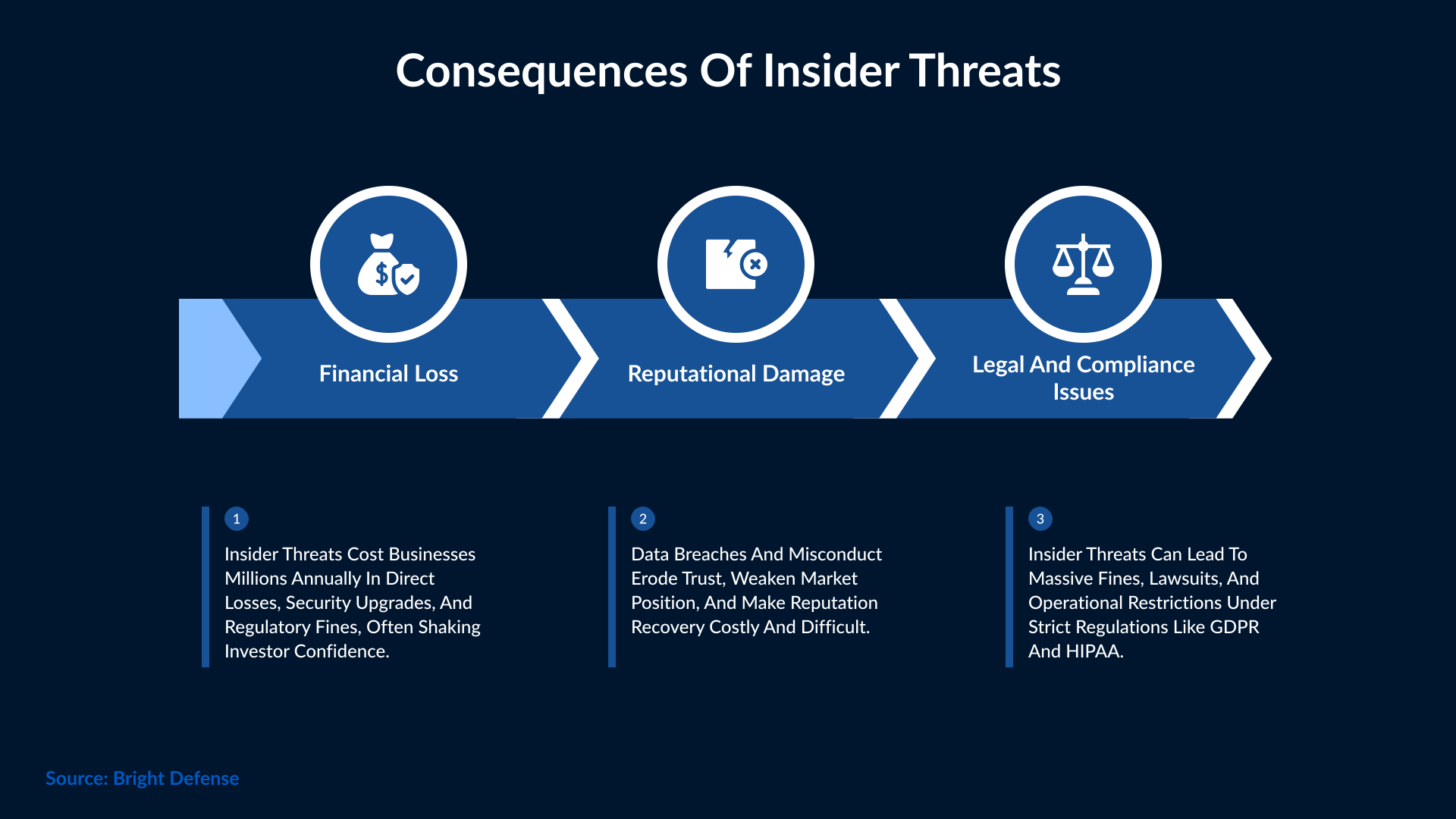
How to Respond When Insider Threat Indicators Appear
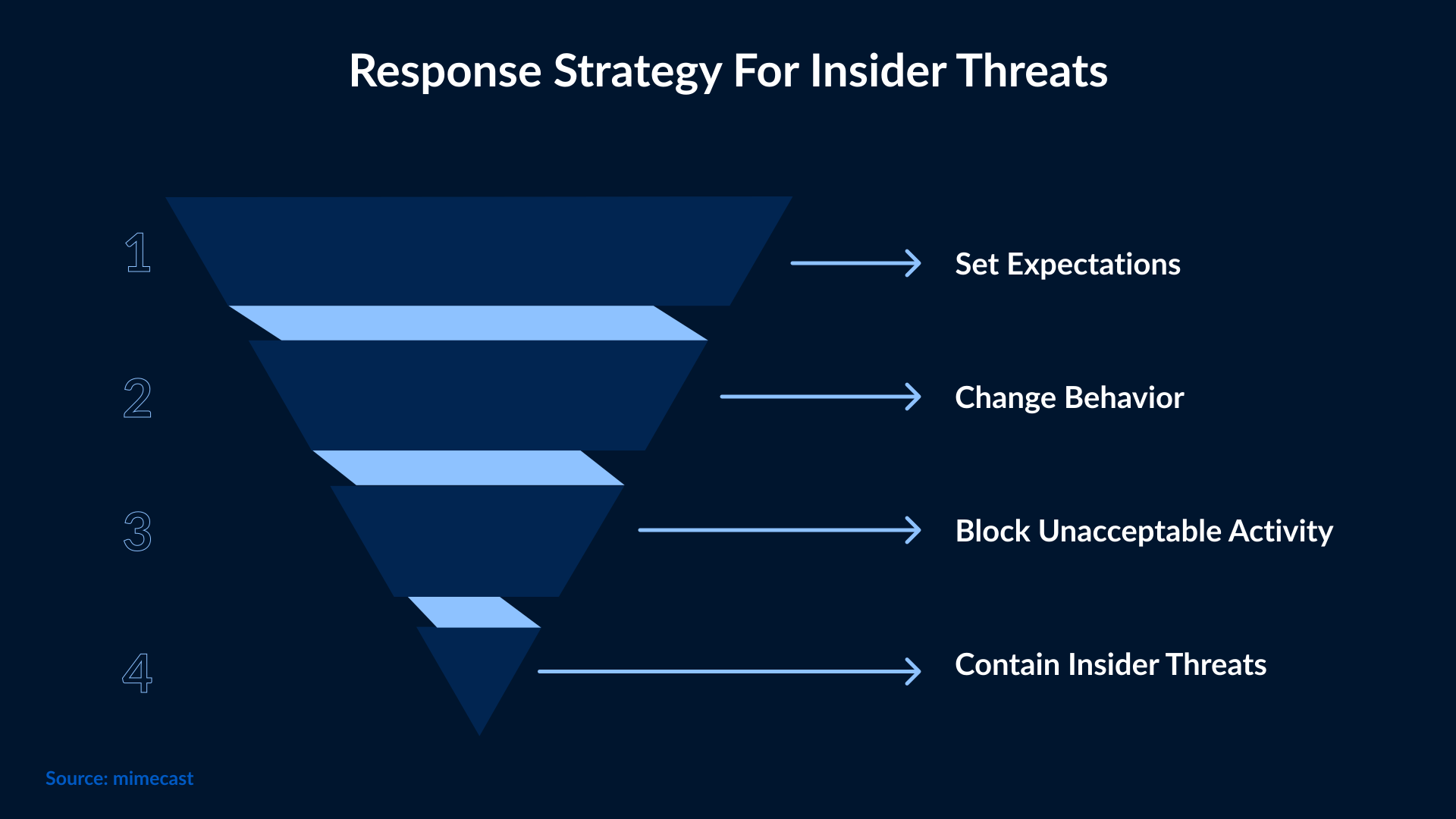
Once you start seeing insider threat indicators, you need to respond quickly. You must develop an effective insider threat detection program that includes continuous activity monitoring, behavior analysis, and threat management. Here are some steps that you can take to create an effective program:
Start the program: Gain leadership support for implementing an insider threat detection program. Assemble a team that will take care of the insider threat detection mission and have them set the tone for the rest of the organization.
Assess your IT infrastructure: Note down the exact number of users, contractors, data stores, permissions, and existing security tools. Identify who has access to what and then verify if every level of access matches job responsibilities or not.
Identify and prioritize insider threats: Uncover weaknesses by conducting a risk assessment, analyzing your ability to handle an attack, reviewing past incidents, and identifying areas for improvement. Prioritize threats by likelihood of occurrence and impact so as to focus on the most important ones first.
Educate employees: Create a training program for all employees with the intention of creating a security-first culture. Help everyone understand security best practices and common risks like phishing scams and misleading IP addresses, as well as the consequences of failing to adhere to best practices.
Document your policies: Create clear policies so that everyone knows what they are asking for. Be sure to include the procedures for reporting threats and incidents.
Implement Security tools: Use tools such as prevention (DLP), information security, and event management (SIEM), or endpoint detection and response (EDR) solutions to detect suspicious activity in your organization. Based on the results you get, you can correlate alerts and start a quick investigation.
Monitor and improve continuously: Audit your IT environment to uncover trends and find suspicious events. For example, an increase in file download activity should generate an alert immediately. Be sure to monitor your entire IT environment, including File Servers, SharePoint and Teams, Exchange, and databases.
Technology plays a vital role in having a successful insider threat program, but more importantly, it’s the awareness and readiness of employees in the organization that make the real difference.
Building a Culture of Insider Threat Awareness
Organizations invest heavily in technology to detect unusual activity. But if some resources are allocated to employee training, then suspicious activities can be prevented early. Regular training or simulated scenarios remind employees that insider risks are not always intentional. It’s also important to encourage employees to report any unusual logins, strange emails, or large file downloads. Awareness programs can transform employees into a strong defense layer that enhances your organization’s security posture.
Measuring Insider Threat Detection and Program Success
An insider threat program can’t improve what it doesn’t measure. So, you need to track the performance of your insider threat program to reduce false positives, receive better alerts, and identify risky behaviors before they can harm your organization.
Train and Test Your Detection Model: Identify a specific insider threat to train your detection. It can be malicious internal activity that has already occurred in your organization, or abnormal activity that you would like to detect. Ensure that your detection model can pick up and alert to this threat with an acceptable level of false positives.
Monitor Activity Spikes: Spikes in activity is the easiest way to spot unusual behavior. This includes very high numbers of login attempts for a particular account or large file modifications. When you detect a strange spike, investigate it promptly. If the investigation reveals that the activity was not a threat, adjust your baseline to reduce false alerts in the future.
Watch for Abnormal Activity: Identify behaviors that are different from normal usage, like attempts made to open unfamiliar folders or accessing data outside work hours. If you find a pattern of increased file reads or new file types accessed, then it could be done by a departing or compromised employee.
Compare Users Within Their Peer Groups: Don’t measure everyone with the same yardstick. Instead, compare each user's activity to their own group. For example, logins from other locations should be routine for sales staff, but unusual for administrative staff.
Monitor Shared and Privileged Accounts: Usually, the shared accounts and the employees with high privileges have strict visibility. If unusual activity is detected from such accounts, then it’s important to track their logins, locations, and durations. If you find the same account has been logged in simultaneously from different systems or has unusually long admin access, then it’s a sign of compromised credentials or privilege abuse.
Correlate Data from Multiple Sources: If you are using different monitoring tools, then make sure to combine information from them, such as SIEM, DLP, EDR, and VPN logs, to find patterns that a single tool may often miss. For example, a login from an unknown VPN may not alert you, but if the same user is accessing folders with sensitive data they've never accessed before, you may want to investigate to respond quickly.
Keep an Eye on Your Infrastructure Resources: In addition to monitoring user activity, make sure to keep track of activity around your file shares, databases, servers, and more. For example, multiple logins to a server by different accounts may indicate an attack by an attacker with stolen credentials or a trusted employee who has become an intruder.
Conclusion
Insider threats are not always malicious, but if ignored, they can result in data loss and reputational harm. Identifying potential insider threat indicators early can help reduce these risks before they escalate. While tools can detect cyber threats, combining them with human awareness creates a stronger and more responsive security system. Organizations should also focus on clear reporting to detect subtle warning signs that technology might miss. SafeAeon supports organizations in setting up insider threat detection programs that allow quick identification of internal risks. Their employee awareness programs help build a culture of responsibility and reporting, turning every employee into a vital part of the defense against insider threats.