

Key Takeaways
- Approximately 94 million data records were exposed during Q2 2025, and much of this data has been sold on the dark web. (Statista)
- 4 out of the top 10 vulnerabilities discussed on the dark web forums are linked to advanced threat actors. (IBM X-Force)
- Tor continues to grow every year, as evidenced by the increase in user traffic from 2 million users in 2024 to more than 3 million users in 2025. (Deepstrike.io)
Introduction
Seeing your personal data exposed on the dark web would certainly make you hit the panic button. But instead of panicking, you should focus on how to get your information off the dark web. The sooner you take a suitable action, the lower the chances of damage to your data, finances, and reputation. Let’s find out more about how data gets leaked on the dark web and how it can be taken down.
What is the Dark Web?
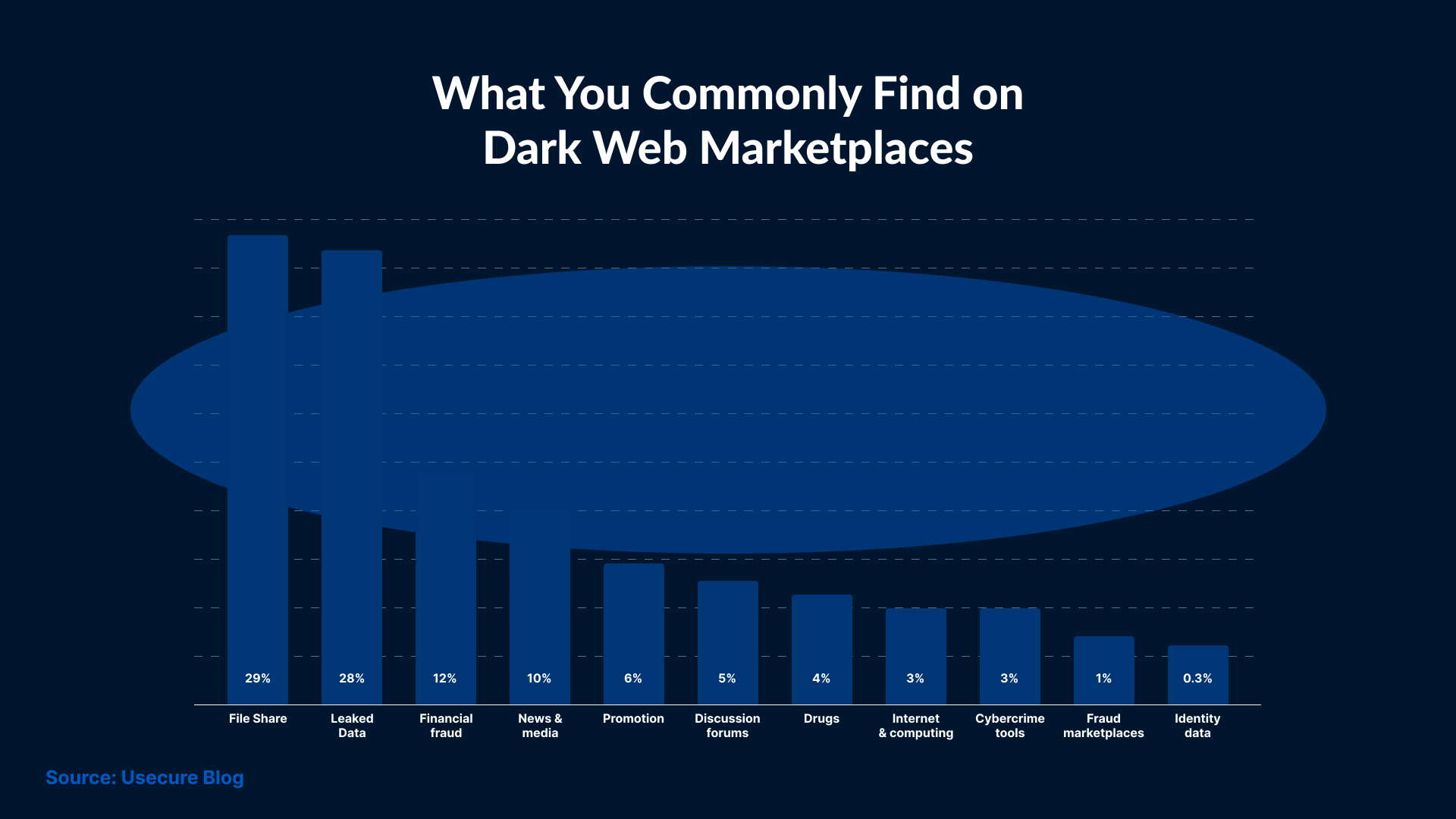
The dark web consists of a set of hidden websites on the internet, which can only be accessed by a special browser. It is widely used by people with malicious intent, since many anonymous activities take place there. Many individuals make use of this medium to avoid repression by the government and other entities. The dark web is also used extensively for illicit activities, such as drug and human trafficking. Stolen personal information often appears on dark web forums where it is shared or sold.
How Data Gets Leaked onto the Dark Web
There are several ways your data ends up on a forum or dark web site. Some may be the result of negligence, while many others may not. Consider the following:
Data leaks in third-party organizations: Your data is stolen from an organization that you have previously done business with and that previously collected your information. In 2024, the United States recorded 3,158 data compromise cases. More than 1.35 billion people were affected by data breaches, leaks, or exposure. These events are different, but they have one thing in common. All three incidents led to sensitive information being accessed by an unauthorized party.
Phishing attacks: One of your online accounts (e.g., email, banking, social media) may get compromised via a phishing attack. A seemingly legitimate email, direct message, text, or WhatsApp may contain a link that can install information-stealing malware or trick you into entering your personal and/or login details on a fake website.
Brute force attacks: An online account is compromised through a brute force attack (such as credential stuffing or dictionary attacks), where hackers guess your password or use previously breached logins on other websites. Once inside your account, they steal more stored personal information to sell or misuse.
Information-stealing malware: Your personal data is stolen through information-stealing malware, which may be hidden in legitimate-looking apps and files for download (such as pirated movies/games), phishing attachments, malicious ads, websites, etc.
Regardless of how criminals get their data, once shared on a cybercrime website on the dark web, it can be offered for free or sold to the highest bidder. Depending on the type of data, those who acquire it may:
- Hack into your bank accounts to steal more information, including bank/card details.
- Create more convincing phishing messages that include some of the stolen PII to convince you to provide even more information.
- Steal your email or social media accounts to spam with malicious links to friends and contacts in the address book.
- Commit identity fraud; for example, opening new lines of credit in your name, generating false tax returns to get reimbursement, or receiving medical services illegally.
How to Check if Your Information is Already There
If you're subscribed to an identity protection or dark web monitoring service, it should alert you to any PII or other data found on the dark web. Tech companies, such as Google and Mozilla, also warn when a saved password has been found in a data breach or needs to be updated to a more secure and hard-to-guess version.
It is important to note that dark web monitoring is often part of a range of services offered by security vendors, whose products obviously bring other benefits and are a critical component of your personal security.
Alternatively, you can proactively access a site like HaveIBeenPwned, which gathers large lists of breached emails and passwords that can be checked safely. This will not cover every dark web source, but it is a reliable starting point.
What to do Right Away if Your Data is Found?
If the worst happens and you discover that your data has been exposed and is being traded on the dark web, what to do next? In the short term, consider taking emergency measures such as:
- Change all your passwords, especially affected ones, to strong, unique credentials.
- Use a password manager to store and retrieve your saved passwords and passphrases.
- Enable two-factor authentication (2FA) on all accounts that offer this option.
- Notify the relevant authorities or platform support teams.
- Ensure that all your computers and devices have security software installed from a trusted vendor.
- Inform your bank or card issuer if your financial information was exposed. Request new cards if necessary.
- Monitor your online accounts and financial statements closely for unusual activity.
- Be on the lookout for suspicious activity on accounts, such as an inability to log in, changes to security settings, messages/updates from unknown accounts, or logins from strange locations and times.
How to Protect Yourself Going Forward
To prevent your data from being leaked on the dark web, here’s what you should do:
- Be more cautious when sharing information online.
- Revisit the security/privacy settings of your social media accounts.
- Use separate email addresses when signing up for websites that do not need your main account.
- Never respond to unsolicited emails, messages, or calls, especially those that try to rush you into acting without thinking clearly first.
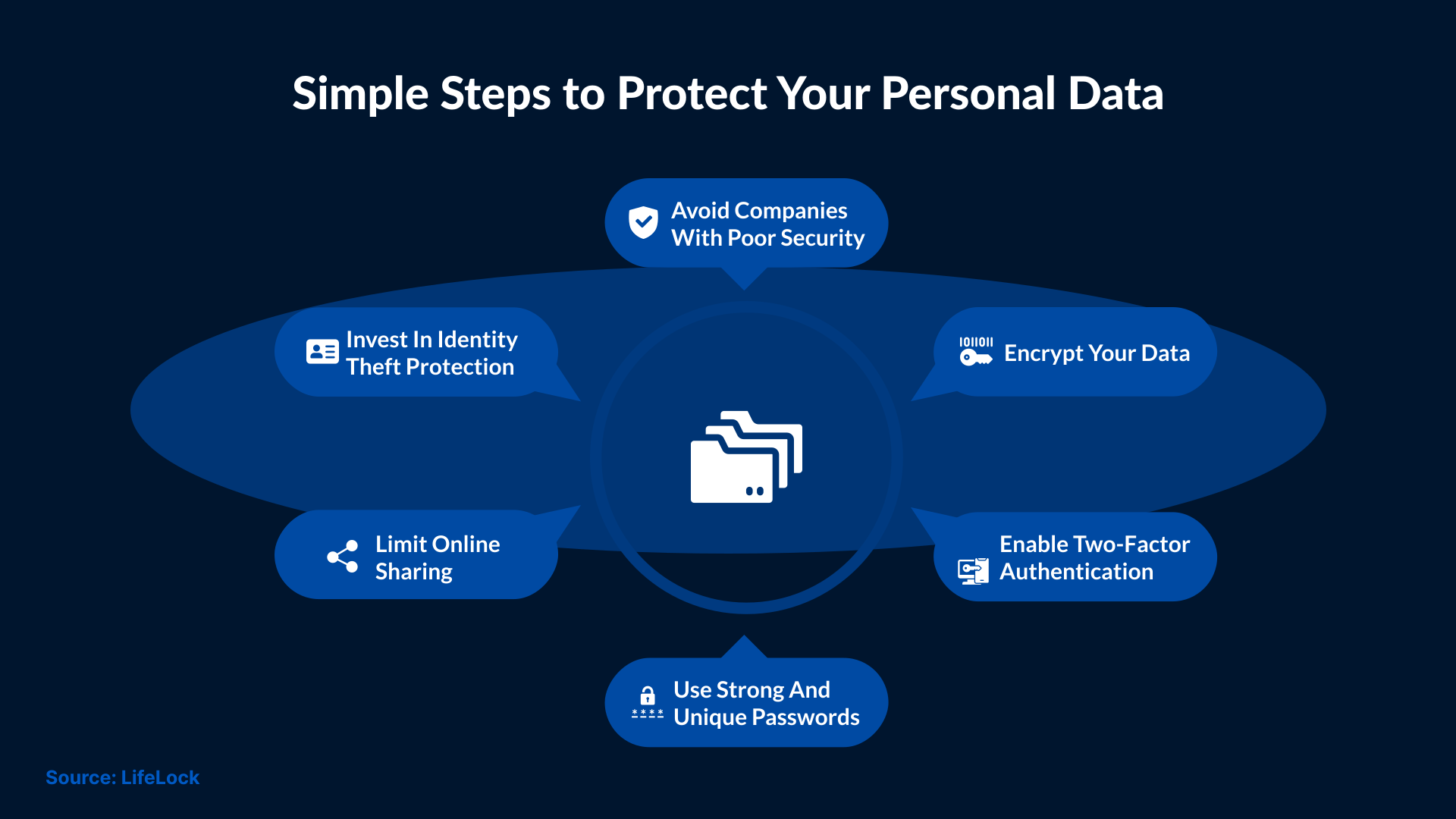
- Use strong, unique passwords on all accounts and enable a strong form of 2FA for extra protection.
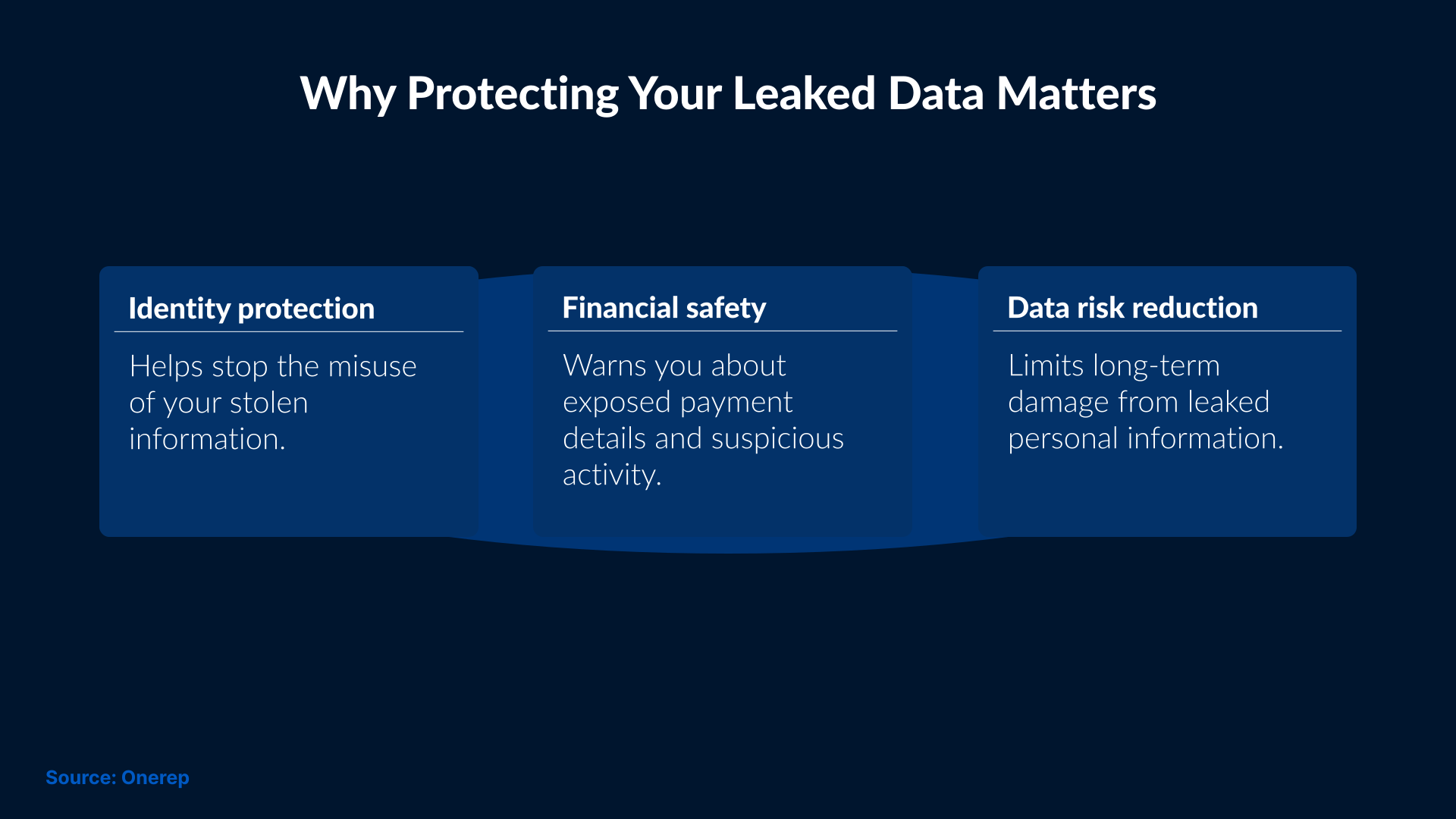
- Invest in a dark web monitoring service that alerts you to new personal data found on the dark web sources, potentially allowing you to take action before cybercriminals can monetize the data.
It is not pleasant to have your personal information and/or identity stolen. It can be a traumatic and stressful experience that can last for weeks or months until it is resolved. Check now what is circulating on the dark web and stay alert to prevent future issues.
How to Get Your Information off the Dark Web?
Once your personal information appears on the dark web, removing it is extremely difficult. Dark web forums and marketplaces do not work like normal websites. They are anonymous, spread across different servers, and often run by criminal groups. When your data appears in one place, it is usually copied or downloaded by others very quickly.
Even if one site is shut down, the same information may remain on many other sites. As a result, you can’t fully remove the data from the dark web.
But you still have options. You certainly can’t erase the leaked data, but you can certainly reduce the risk by securing your accounts and monitoring suspicious activity. You should take all the steps to prevent future misuse of your data. The focus should be on limiting the damage, not deleting the information.
Quick Checklist for Fast Action
Keep this checklist handy because it can help you respond quickly in case your information is found on the dark web:
- Change the passwords for affected accounts
- Turn on two-factor authentication
- Update any old or reused passwords
- Scan your devices for malware
- Inform your bank if payment information was exposed
- Check your recent account activity
- Turn on alerts on your financial accounts
- Check the security settings on your email and social media
- Use a monitoring service to receive early warnings
More importantly, you should avoid unsafe websites and unknown downloads, as these are often the primary cause of data leaks on the dark web.
Conclusion
Finding personal information on the dark web can be unsettling, but it doesn’t mean you are out of options. You may not be able to remove all your information from the dark web. Still, you can take control of the situation by securing your accounts and monitoring any unusual activity. You must improve your online habits to limit the chance of future leaks. If you want early warnings and ongoing support, you can use SafeAeon’s dark web monitoring service. They will provide alerts when your company's information appears on compromised sites and help you respond quickly and reduce any potential damage.