

Key Takeaways
- Email-based attacks increased by 222% in 2023. This shows how phishing and malicious emails remain a major path for malware delivery. (Yahoo Finance)
- Ransomware remained a serious malware threat in 2023, with the FBI IC3 receiving 2,825 ransomware complaints and reporting more than $59.6 million in adjusted losses. (IC3)
Introduction
With the reported emergence of the AfterDarkMode malware, organizations should review how stealthy malware can hide its activity and increase security risks. This type of threat may attempt to hide its activity while accessing systems or exploiting weaknesses. To reduce the risk of AfterDarkMode, businesses need to understand what tactics or techniques it uses. Based on that, they need to take the necessary steps to lower exposure.
AfterDarkMode malware is a stealthy threat that may compromise systems without clear signs of infection. The stealthy design also makes it hard for security teams to detect and remove this malware. AfterDarkMode may allow attackers to access systems and steal sensitive data. It can also support ongoing malicious activity within an environment, so getting rid of this malware, and that too at the earliest, becomes paramount.
Being Aware of the AfterDarkMode Threat
AfterDarkMode malware is a stealthy and dangerous threat. It may hide its activity while attempting to exploit weaknesses in networks and applications.
AfterDarkMode malware may attempt to reduce visible signs of activity. This makes it difficult for security teams to detect and track its activity. It may spread through phishing emails, malicious files, compromised websites, or bundled software.
To reduce the risk of AfterDarkMode malware, organizations need to understand how it may hide, spread, and affect systems. When security teams understand how threat actors operate, they can reduce infections and limit the damage from attacks.
This post will explain AfterDarkMode malware in more depth, including how it may operate in hidden mode, how it may spread, and what impact it can have. We will also discuss key steps for identifying and stopping AfterDarkMode threats. These include network segmentation, endpoint protection, and user awareness. In addition, we will cover incident response steps that can guide organizations if an attack occurs.
Businesses can reduce their risk by understanding how AfterDarkMode malware works and taking the right security measures.
What is AfterDarkMode malware?
AfterDarkMode malware is a type of malware designed to hide its activity. It may become active when systems are less monitored, such as during off-hours or periods of low user activity. The main goal of malware is to gain access to a system, remain hidden, and cause harm.
This type of software may run in the background. It can steal sensitive data, install additional threats, or change system files. The name “AfterDarkMode” appears to come from how it operates during low-activity periods. Because of this behavior, basic security measures may not detect it quickly.
How AfterDarkMode Malware Works
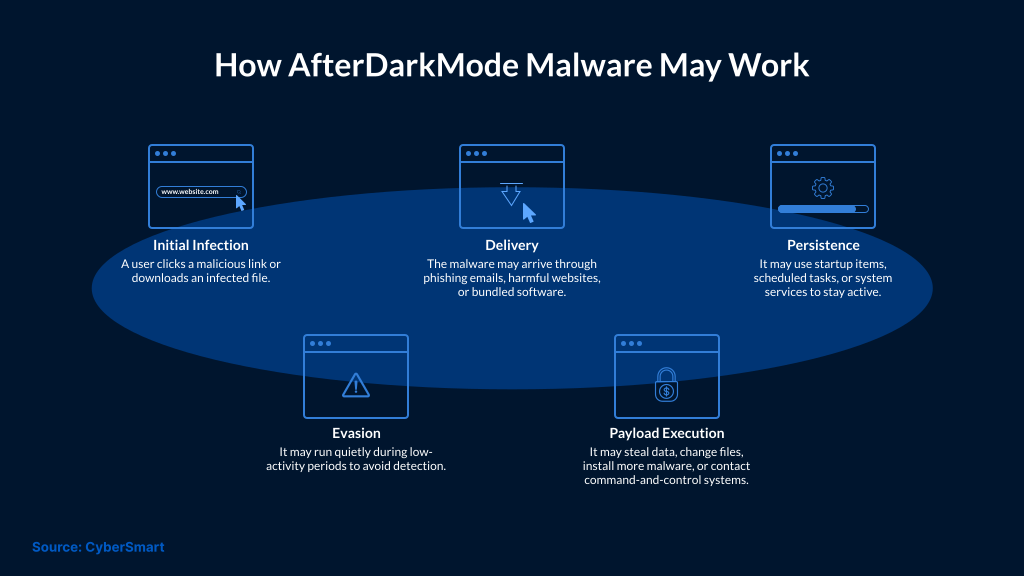
AfterDarkMode malware works similarly to other malware types. It can breach systems through phishing emails, harmful websites, and modified software files. Here is how the AfterDarkMode malware may work:
Initial Infection
A system may become infected when a user clicks a malicious link or downloads an infected file. The malware could be hidden in email attachments or bundled with software that appears safe to use.
Persistence
After gaining access, AfterDarkMode may try to stay on the system for as long as possible. To remain active, it may use startup items, scheduled tasks, or system services. On some occasions, it also uses unpatched vulnerabilities to gain access and remain persistent in an environment.
Defense Evasion
AfterDarkMode operates in the background without being detected. For that, it uses various evasion techniques. The malware may run during low-activity periods, such as late at night or on weekends. As a result, detecting unusual behavior becomes extremely difficult.
Payload Execution
The malware may start malicious activity when system activity is low. It may:
- Steal sensitive data like login details, financial information, or business data.
- Install additional malware to carry out attacks in the future.
- Change system files, which may affect system stability.
- Connect to command-and-control systems. The reason for connecting to these systems is to get instructions or share stolen data.
Avoiding Detection
AfterDarkMode malware may be designed to stay hidden for as long as possible. Basic security tools may miss it if they do not continuously monitor endpoint, network, and system activity.
How to Tell If You Have AfterDarkMode Malware?
Even though AfterDarkMode is stealthy, there may still be warning signs. These are some important indicators:
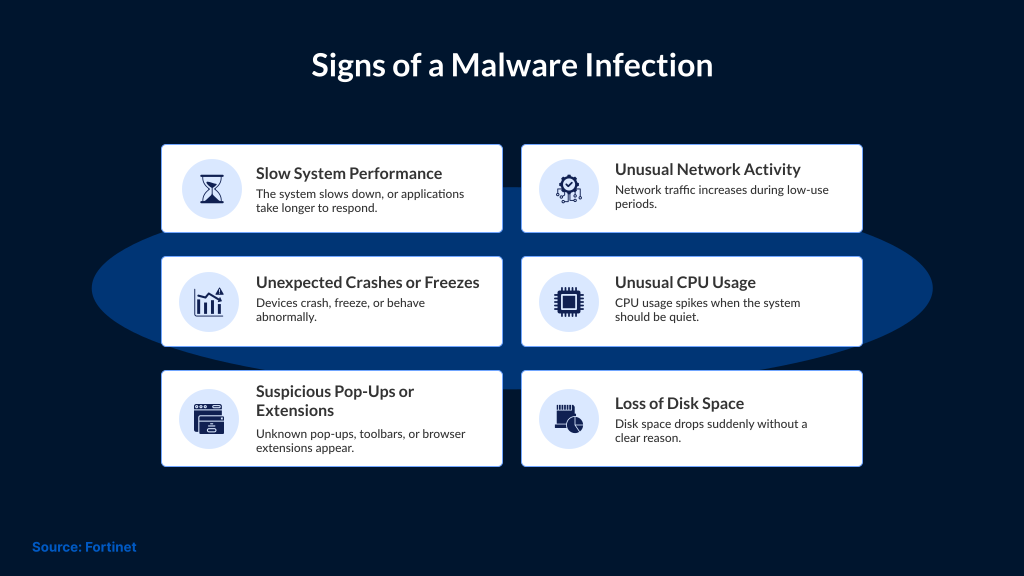
- Unexpected system slowdown: Malware may use system resources while running. This can slow down the system, especially during off-hours.
- Unusual network activity: High network activity during low-use periods may indicate that malware is communicating with command-and-control servers.
- Unauthorized access attempts: Unusual login attempts or access patterns, especially during off-hours, can be red flags.
- CPU usage spikes at odd times: Because it may run in the background, AfterDarkMode malware may cause CPU usage to spike when the system should be quiet.
Why is AfterDarkMode Malware Dangerous?
AfterDarkMode malware operates quietly during periods of minimal activity. This makes detection difficult for security teams. After deploying the malware, attackers may attempt to access systems and steal sensitive data. They may also disrupt business processes without triggering immediate alerts. Here are some reasons this malware is so dangerous.
Harder to detect
AfterDarkMode malware may run when the computer is idle or when fewer users are active. Organizations without continuous monitoring may miss suspicious activity that happens after business hours. Threats can happen at any time, not only during work hours.
Data loss and theft
One of the main goals of malware is often to steal data. Attackers may use stolen login information, financial records, or business data to harm the company. This can also put customers, partners, and employees at risk.
Future attacks
Threats like AfterDarkMode may be used to support further attacks. By adding backdoors or additional malware, cybercriminals can prepare the environment for future activity. This may include ransomware, data theft, or the installation of additional malware.
Operational disruption
Malware can steal data and modify system files. This can disrupt business operations, increase costs, slow down systems, and damage the company’s reputation.
What Can You Do to Reduce the Risk of AfterDarkMode Malware?
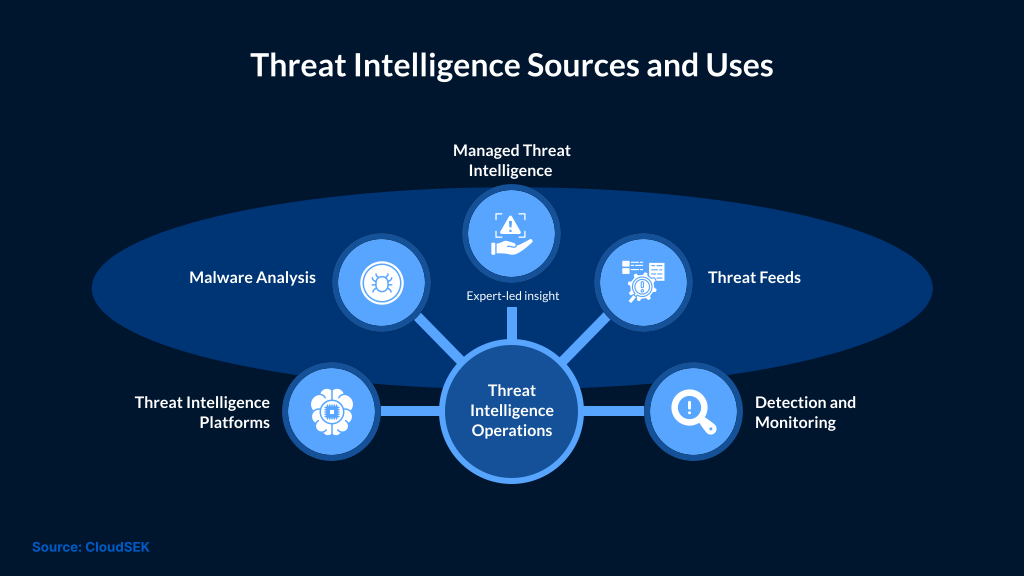
Because AfterDarkMode malware may create specific security risks, it is important to take preventive steps. Try these practices to keep your systems safer:
1. Apply software patches and updates regularly
Malware like AfterDarkMode may exploit known security vulnerabilities. You can reduce the risk of attack by keeping software, operating systems, and security tools up to date. Security updates often fix known vulnerabilities.
2. Use strong defenses and intrusion detection systems
Use a firewall, but make sure it is properly configured. A firewall can reduce unauthorized access to your network. Additionally, use a network intrusion detection system to monitor traffic and help detect suspicious or anomalous behavior, depending on its configuration. Check your security systems as well, as they should notify you of suspicious activity at any time of day.
3. Use modern endpoint protection
Using basic antivirus software may not be enough to detect stealthy malware like AfterDarkMode. It’s important for you to use advanced endpoint protection or anti-malware tools. These tools may use behavioral analysis and machine learning to detect suspicious activity that does not match known signatures.
4. Segment the network
Malware spread can also be reduced by creating separate sections of your network. If malware enters one part of the network, segmentation can reduce its ability to spread to other parts. This can lead to limited damage.
5. Monitor system activity 24/7
Continuous monitoring is important because AfterDarkMode may operate during low-activity periods. Security teams can use specialized tools to monitor endpoints and network activity. Along with that, they should watch for unusual behavior even when there isn’t much normal activity.
6. Train your staff about phishing scams
Phishing emails are a common way for malware to enter systems. Employees should be trained to identify and avoid phishing attempts. They should be careful when clicking on unknown links or downloading unexpected files.
7. Regularly back up important files
It is possible to reduce data loss during a malware attack by maintaining secure backups. But make sure the backup is created and stored in a secure location.
AfterDarkMode malware poses a serious security risk due to its stealthy operation. To reduce these risks, organizations must take proactive steps, such as continuous monitoring and patching vulnerabilities. Creating secure backups is also important as these help restore operations after an attack. Apart from these, organizations should invest in employee training, as human error remains a common factor in many security incidents.
Conclusion
AfterDarkMode malware can be dangerous due to its stealthy behavior. As a result, it's very difficult for teams to detect this malware. This is why businesses need strong security controls and regular updates to reduce the risk of infection.
Cyber threats are on the rise and becoming more dangerous, so it is important for organizations to rely on professional security support to detect suspicious activity and respond faster. This can help reduce business impact. SafeAeon can help organizations manage threats such as AfterDarkMode and other malware through continuous monitoring and incident response support. This helps reduce risk and restore operations after an attack.