

Key Takeaways
- 1. Unified Threat Management market size is projected to grow at a CAGR of 15.3%, reaching $15.96 billion by 2030. (Grand View Research) ers. (Recordedfuture)
- 2. The United States is the largest market for UTM Solutions with around 40% market share.
- 3. A 2024 report indicates that the hospital sector has the largest share (around 50%) of Unified Threat Management.
Introduction
Cybercrime is growing at a rapid pace. Although there are security products available to counter different cyber threats, managing too many security products can be a daunting task. It’s neither easy nor cost-effective to manage numerous separate security products. Organizations are looking for ways to consolidate multiple security functions into a single network security appliance because it is easier to manage and is more cost-effective. This need led to the rise of Unified Threat Management (UTM), which combines several functions like firewalls, antivirus, intrusion prevention, and VPNs within a single solution.
What is Unified Threat Management (UTM)?
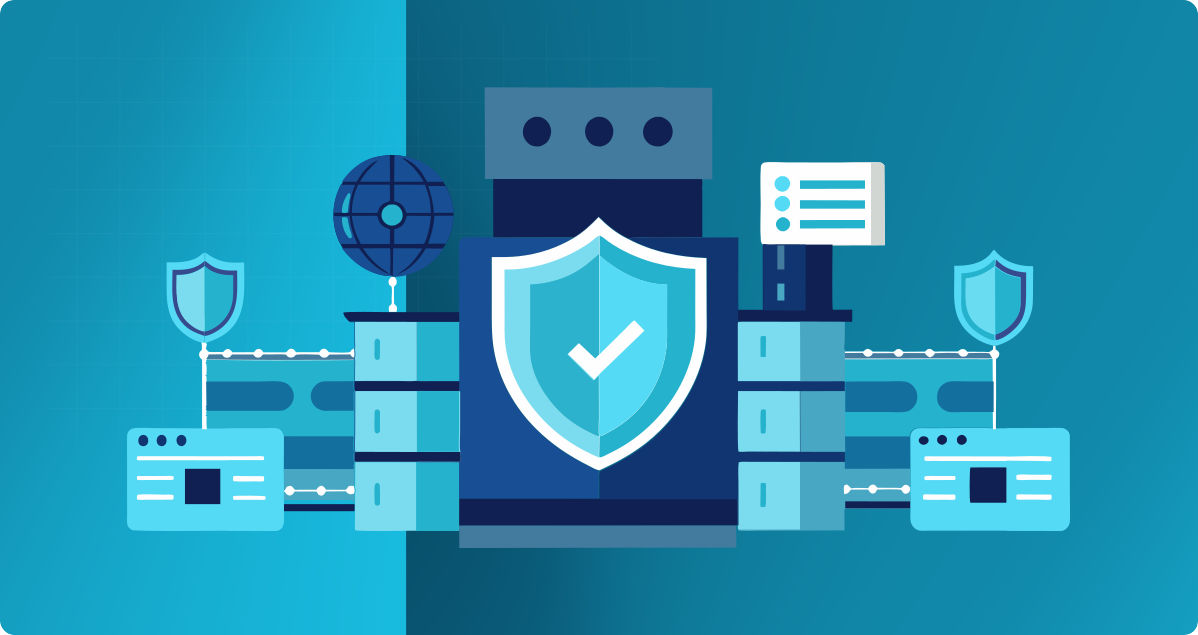
Unified threat management (UTM) is a security solution that combines multiple features or devices into a single device within your network. UTM provides complete protection for users within your network by offering features like antivirus, email filtering, web and content filtering, and anti-spam etc.
It also allows your organization to consolidate its IT security services into one platform. This simplifies the network’s protection. As a result, your business can monitor all threats and security-related activity from a unified platform. With this, you get a complete view of all the elements within your network security architecture.
Core components of a UTM Solution
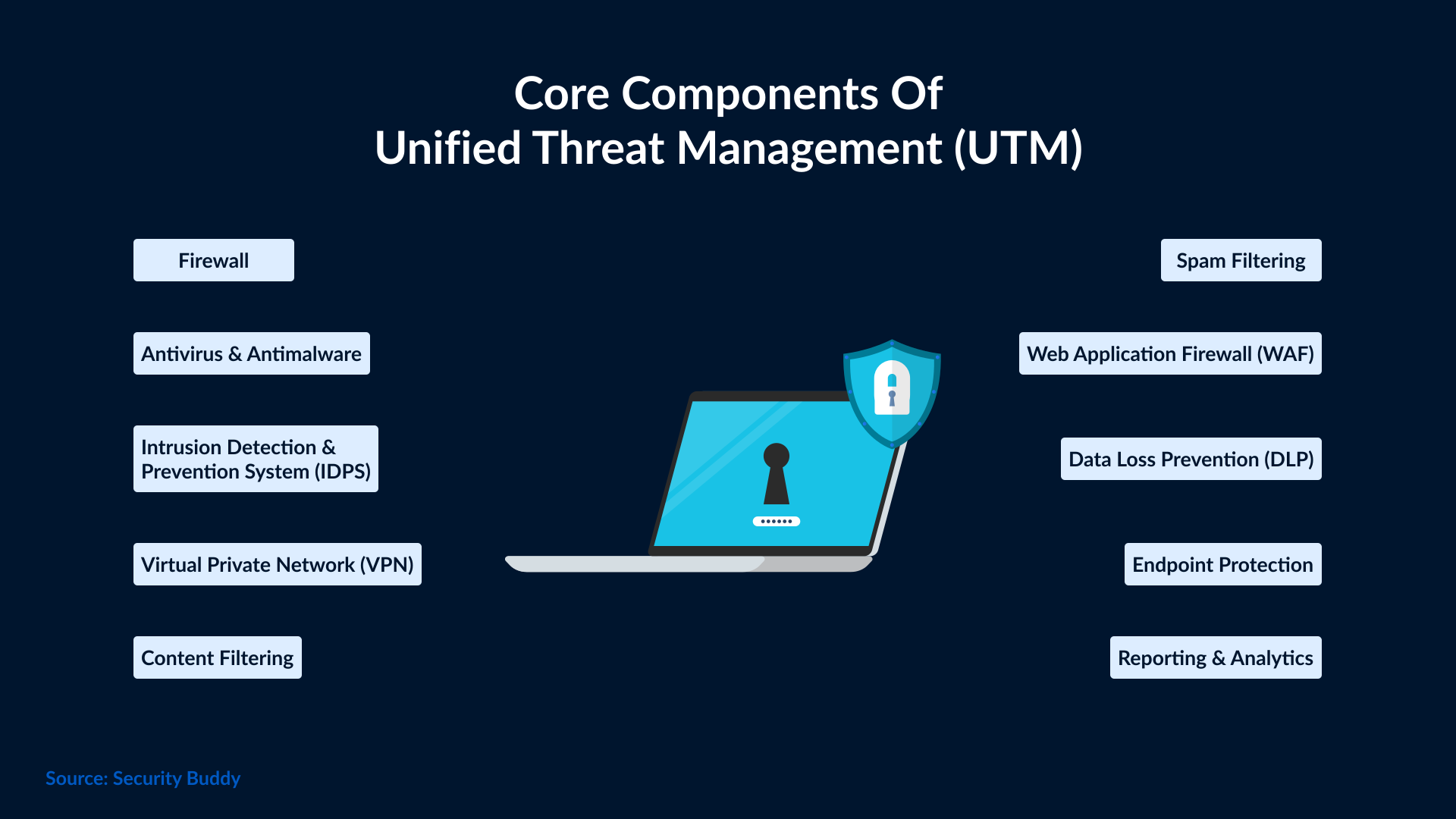
Here are the core components of Unified Threat Management (UTM):
Firewall: Acts as the first line of defense, firewall filters incoming and outgoing traffic to prevent unauthorized access to the network.
Antivirus & Antimalware: These offer protection against viruses, malicious software, and ransomware by scanning and eliminating threats.
Intrusion Detection & Prevention Systems (IDPS): These systems monitor network traffic for suspicious activity and potential threats. If found, they provide alerts and automatically block harmful behaviors.
Virtual Private Network (VPN): A VPN is used to get secure remote access to the network by encrypting data transmission between remote users and the internal network of a company.
Content filtering: It blocks access to harmful websites and content to enhance productivity and prevent exposure to malicious websites.
Spam filtering: It detects and blocks unwanted email messages to reduce the risk of spam-related threats and phishing attacks.
Web Application Firewall (WAF): It is responsible for protecting web applications by monitoring and filtering HTTP traffic. It also protects against web-based attacks like SQL injection and cross-site scripting (XSS).
Data Loss Prevention (DLP): Prevents transmission of sensitive data outside the network to ensure data integrity and regulatory compliance.
Endpoint Protection: Extends cybersecurity measures to all the devices connected to the network for complete protection across all endpoints.
Reporting & Analytics: Provides detailed reports, logs, and analytics to help admins monitor network activity and identify trends. With these, they can make better decisions related to security management.
Key Benefits of Unified Threat Management
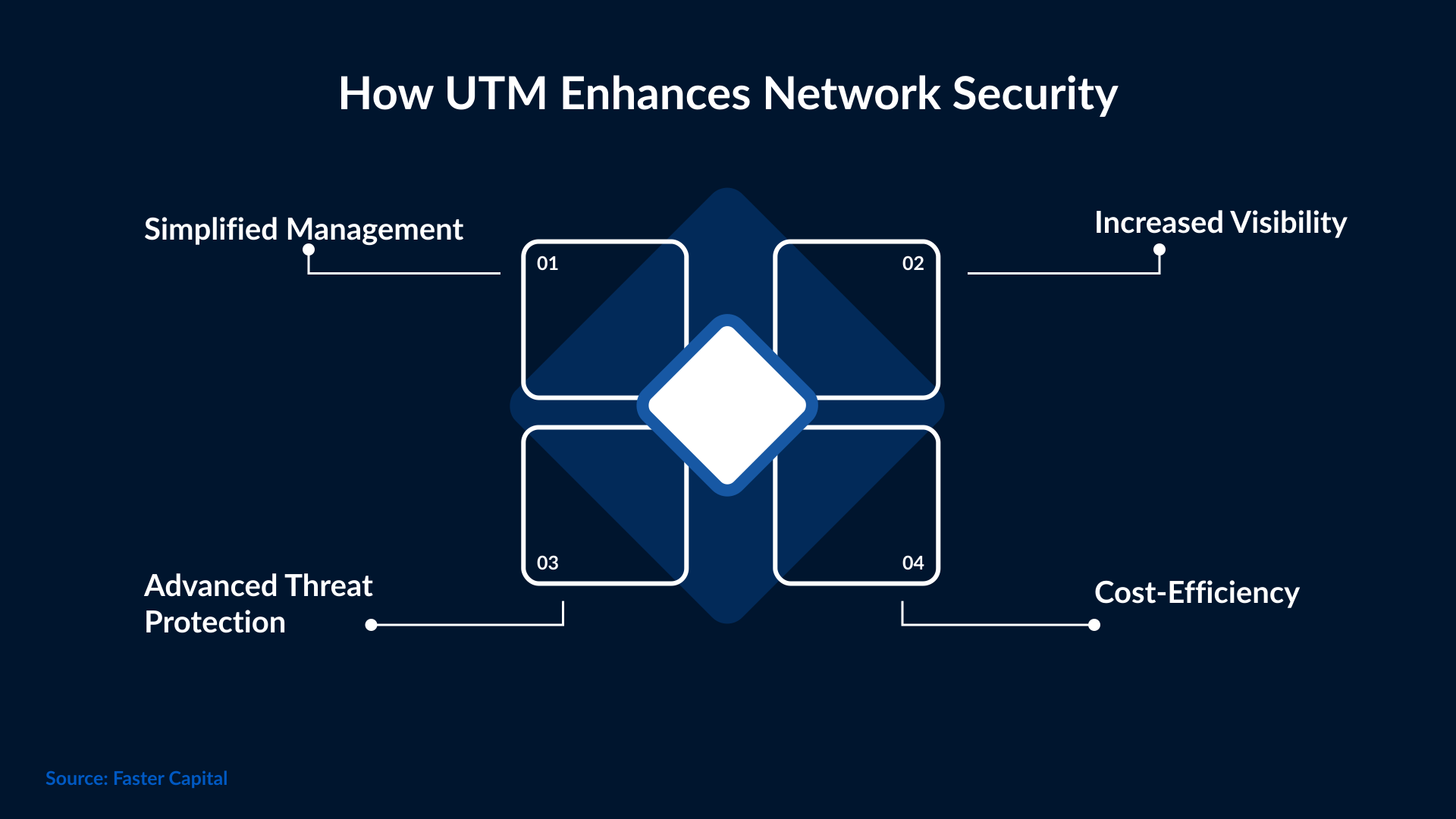
- UTM solutions are easier to manage and monitor. Users can easily coordinate and monitor all the activities when operations are centrally aligned.
- They offer all-in-one security where multiple protection components are covered, such as a firewall, antivirus, and intrusion detection system.
- Unified threat management reduces the burden of managing multiple systems and improves security processes.
- Users receive detailed analysis and reports of the security status of their network for better preparation.
- UTM presents a single protection against multiple adversities like phishing, malware, and unauthorized access.
Difference Between UTM and Next-Generation Firewalls?
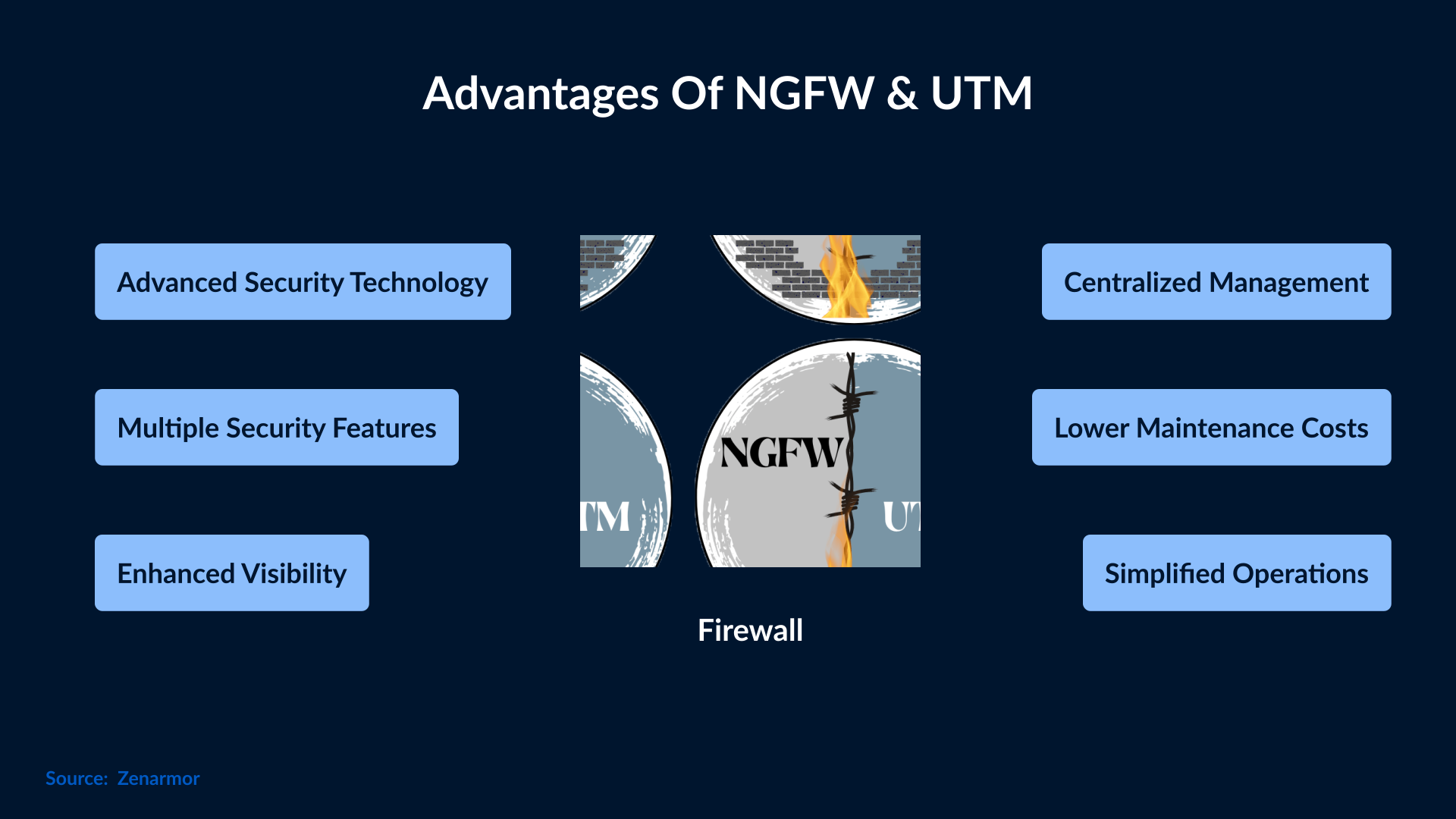
Both are network security appliances designed to protect businesses against numerous cyberthreats. But they are not the same. Let’s find out the key difference between UTM and Next-Generation Firewalls for a better understanding of both solutions:
Unified Threat Management (UTM):
- It combines multiple security features and services into one device or service.
- Makes complex management of various security components a lot easier.
- Uses a single unified console to manage all the devices and services.
- Some UTM solutions also come with VPN functionality for secure remote access.
- Being a bundled service, it lacks flexibility.
Next-Generation Firewall (NGFW):
- It comes with traditional firewall capabilities along with new features like application awareness.
- Features advanced intrusion prevention systems (IPS) for detecting and blocking advanced and severe attacks.
- Ability to integrate with other security systems for sharing threat intelligence.
- Includes features like SSL inspection, deep packet inspection, and identity management integration.
- Can be integrated into a larger security ecosystem where more complex management is required between different components.
Common Challenges and Limitations
UTMs work well in office environments, but with hybrid and remote work becoming more common, the ineffectiveness of UTMs is clearly visible. Here are the common challenges and limitations of UTMs:
- Lack of Scalability: UTM appliances become ineffective for scaling businesses because they can’t handle the increasing number of users.
- Performance-Related Issues: High traffic and compute-intensive functions can put pressure on UTM devices, resulting in a decline in performance.
- Latency: The remote traffic received by UTMs is backhauled to the data center before being transmitted to the user, which creates a delay.
- Cost: The initial investment for UTM solutions is high, plus there are additional fees at times for ongoing updates, hardware upgrades, or licensing.
- Feature Redundancy: At times, UTM solutions don’t integrate well with the existing security solutions, leading to unnecessary redundancy and underutilization of certain UTM features.
- Update Management: These are frequently updated to ensure protection against the latest threats. Organizations need a dedicated security team to manage these updates to prevent security gaps.
Best Practices for Implementation
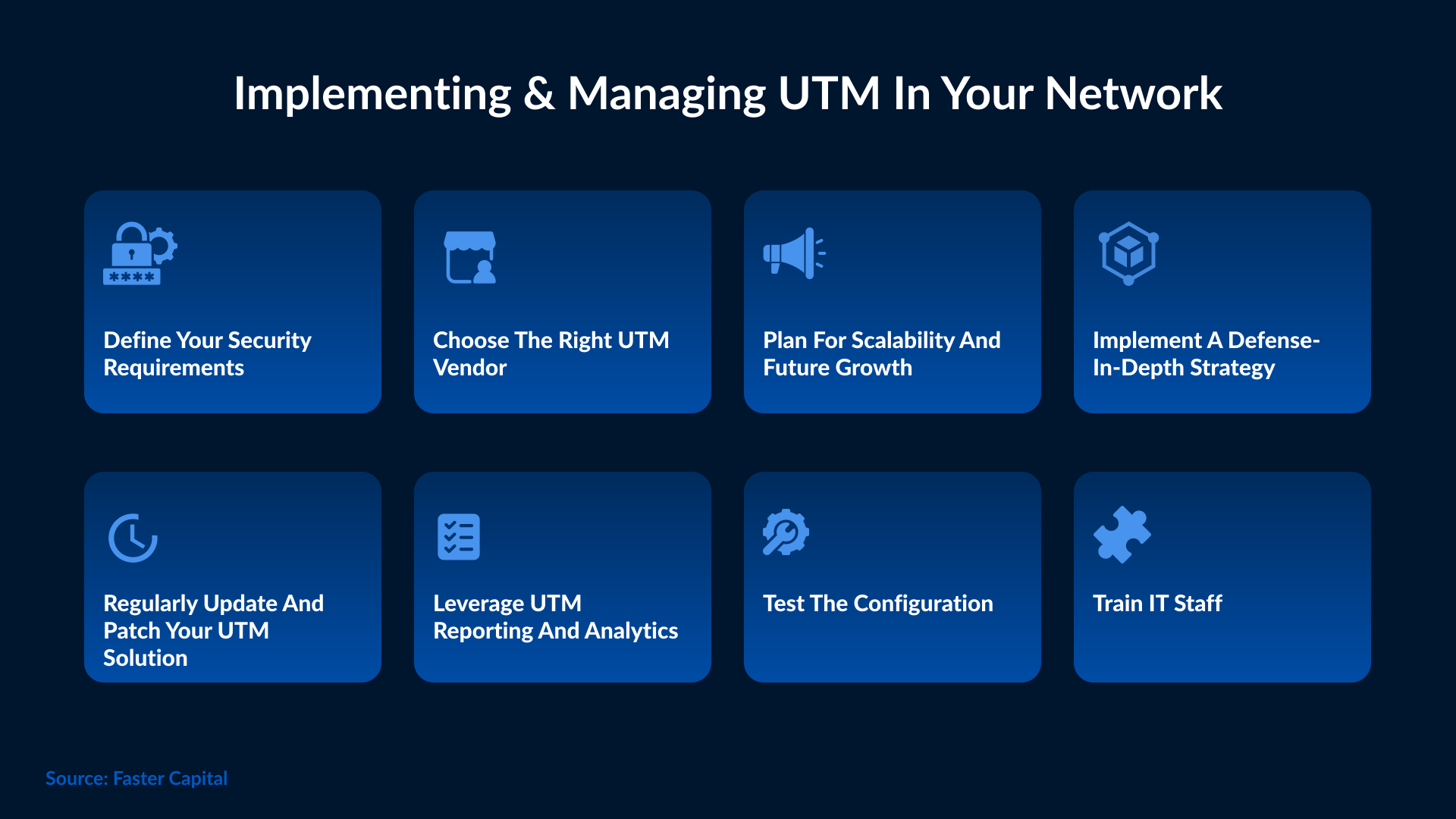
Here’s how you can properly implement UTM in your organization:
- 1. Assess the current network infrastructure and security needs.
- 2. Choose the best UTM solution that fits your organization’s needs and integrates well with existing infrastructure.
- 3. Prepare your network by configuring network settings and checking compatibility with existing systems.
- 4. Install the UTM appliance or deploy the software solution across the network. Follow the vendor’s guidelines for seamless installation.
- 5. Configure the UTM as per the security policies and requirements of your organization.
- 6. Test the UTM solution to ensure all security functions are working properly.
- 7. Provide training to your IT staff on how to use and manage the UTM solution effectively.
- 8. Regularly monitor the performance of UTM, analyze reports, and respond to incidents at once.
The Future of Unified Threat Management
Unified Threat Management is also advancing to meet the growing cyber threats. It will now have machine learning and artificial intelligence integrated for better identification and response to complex threats in real-time. UTM solutions may also be deployed in the cloud, which will make them highly efficient for growing businesses.
There has been a focus on improving the UI and automation of UTM solutions, which will make it easier for organizations to manage security without too much expertise.
Another development in this field is the integration of UTM with other cybersecurity strategies like zero-trust architecture and endpoint detection and response (EDR).
These trends clearly show that United Threat Management is a key part of the future of cybersecurity solutions.
Conclusion
Having a solution like Unified Threat Management gives a definite edge to the users as they can manage and monitor multiple security tools from a unified platform. Moreover, it is highly cost-effective as it bundles multiple solutions into one package. If you are looking to integrate UTM into your organization’s existing security infrastructure, then connect with SafeAeon. Their team of experts will provide you with support and training on how to implement and use UTM to enhance the protection of your organization.