

Key Takeaways
- Most businesses use artificial intelligence (AI) today, but only 24% of generative AI initiatives are secured, which makes their data exposed to risks. (IBM)
- The average cost of data breaches is approximately $4.88 million in 2024, and it continues to rise, making threat assessment crucial for organizations.
- According to Verizon’s Data Breach Investigations Report, the human element remains the most common threat that organizations face, accounting for 60% of cyberattacks in 2025.
Introduction
Having a strong cybersecurity foundation is essential for every organization today. Even a small gap can become an open door for cybercriminals, leading to costly damage and data loss. This is why every organization needs a solid security strategy based on proper threat assessment and other key elements. But what exactly does threat assessment in cybersecurity mean? Let’s find out everything in detail in this blog.
What Is Threat Assessment in Cyber Security?
A threat assessment examines your security controls and how they address known vulnerabilities. It is similar to a cyber risk assessment and forms part of the broader risk management process. The goal is to identify possible threats and understand their impact so your organization can strengthen its overall cyber resilience. A complete threat assessment also includes an overview of the company’s security infrastructure.
Components
A threat assessment examines the company's IT infrastructure as well as its security-related policies and practices. It evaluates:
- Existing protection systems against known and emerging threats
- Compliance with security and data protection regulations
- Vulnerability to security incidents in organizations
- Resilience of systems and networks against potential threats
- With this combined data, security teams can identify vulnerabilities and strengthen defenses.
Goals
The purpose of a threat assessment is to address vulnerabilities and fix weaknesses, starting with issues possessing the highest potential to impact the business.
Assessments also help security teams improve communication with management. The most effective security strategies are integrated into all the company's operations.
To achieve these goals, a threat assessment needs to include the following information:
- The nature and value of the company's cyber assets
- The origin of potential threats
- The vulnerabilities that could allow cyber threats to materialize
- The potential impact on operations and reputation
- The level of compliance with security and privacy standards
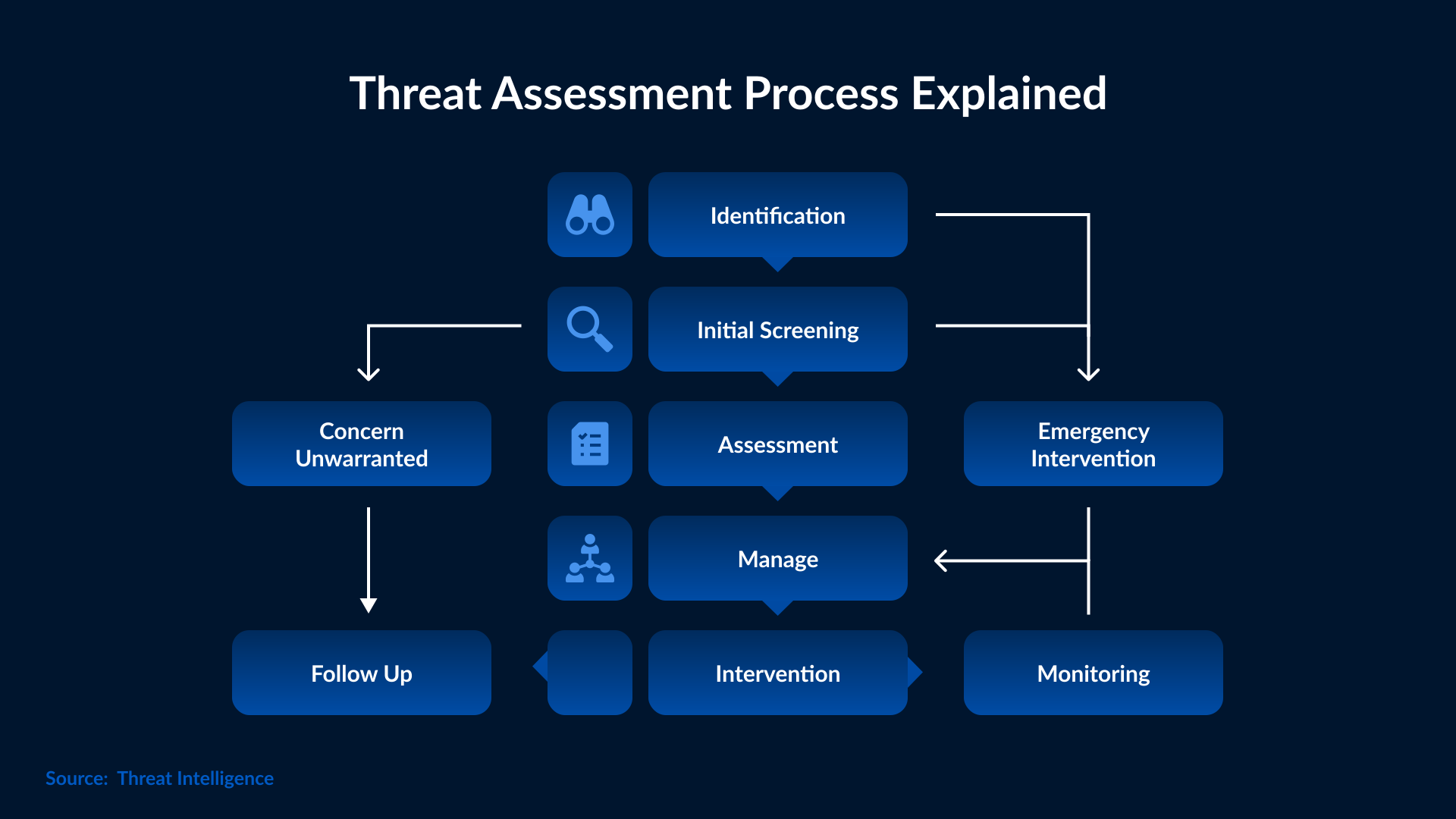
Threat Assessment vs Risk Assessment vs Vulnerability Assessment
These three terms may sound the same, and people also use them interchangeably, but they do different things. A threat assessment is done to find out potential attackers on your systems. It will detect the ways they could get in and what they want. Then, it looks at situations where the threat turns into reality.
Now comes the risk assessment, which will look at the threats and measure the damage they could cause if they happen for real. In this way, it connects the possibility of an attack with its potential impact on your business. Some teams call this ‘what if’ part of cybersecurity, including what if this server goes down, what if someone steals the data, and what if ransomware strikes at night.
Lastly, the vulnerability assessment is more technical. It will scan your systems to find weaknesses in hardware, software, or configuration. Once the scan is complete, it will list the things that need to be fixed before those issues pave the way for attackers.
All three assessments work best when combined. Moreover, an organization gets the full view of the potential attackers, possible attack methods, and security gaps that need to be addressed before it’s too late.
Why Threat Assessment Matters for Every Business
Every business is using technology in some way or another. This means every business has something worth stealing. To protect it, they must carry out a threat assessment. This is important not only from the compliance perspective, but making an organization understand what could go wrong and how to stop it from happening.
When companies skip this step, they usually find out the hard way. One weak password or one ignored alert, and they will see things breaking apart quickly. With threat assessment, those weak spots can be identified quickly and effectively. It will give a clearer view of which threats are growing, which remain constant, and which are lower in priority. This will allow your security team to focus on what truly matters. Threat assessment also allows leaders to plan for the imminent risks. This helps in affordable insurance costs, less downtime, and easy compliance. A company that understands its threats and prepares for them gives confidence to its customers and investors as well.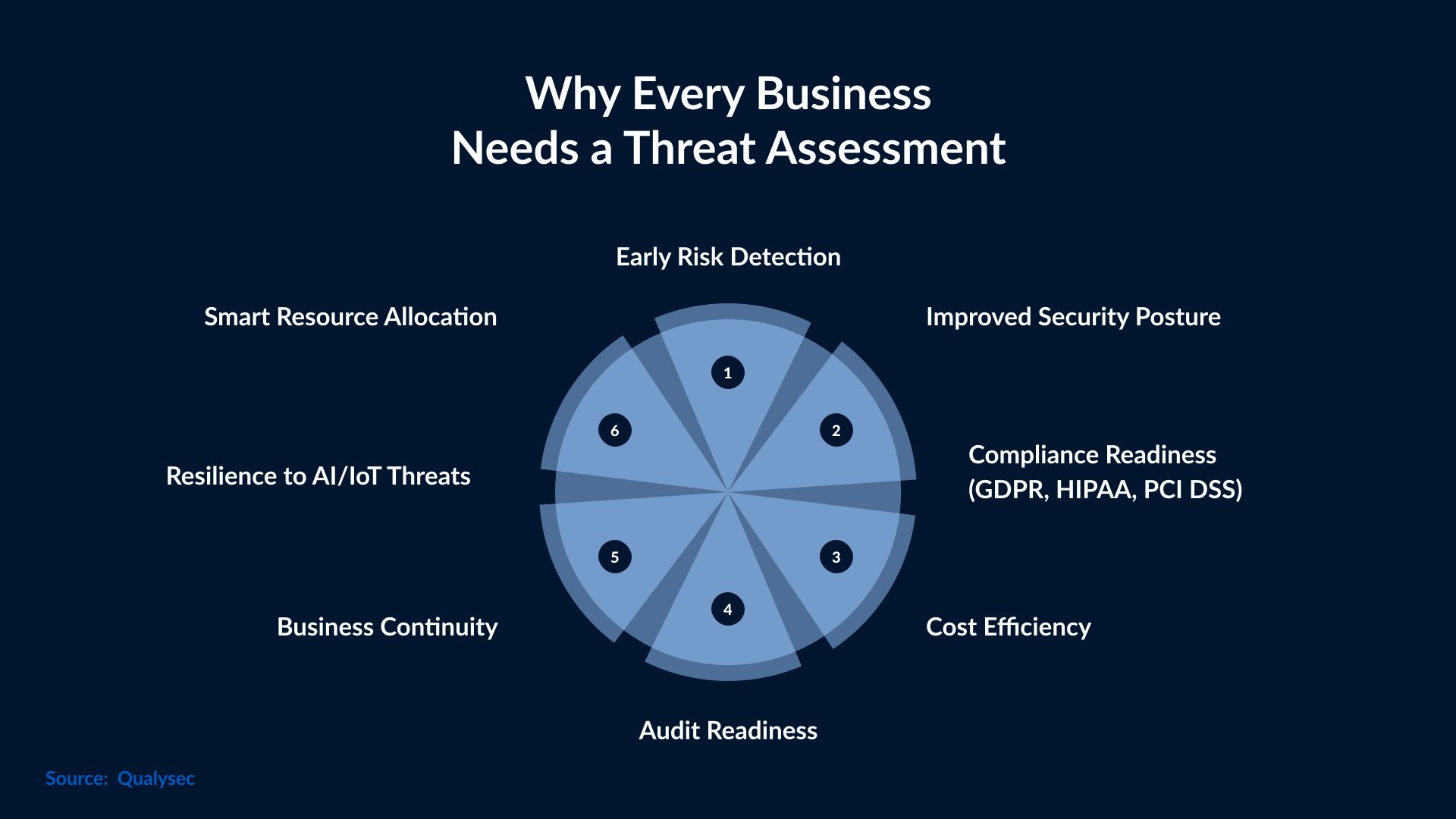
Core Steps of a Cyber Threat Assessment
A comprehensive cyber threat assessment allows organizations to better understand where threats might exist, their severity, and the actions to be taken first. The process begins with identifying the weakest points in your organization with actionable strategies that will help limit the exposure to future attacks.
Step 1: Determine Your Existing Security Posture
The security posture of your organization makes it clear how well it can react to existing and emerging threats. It considers the hardware, software, and how they interact, as well as policies or processes governing the circulation of data across your network. Your existing security posture considers the following:
- Inventory the protections built into your technology environment
- Keep all your risk reduction procedures documented
- Document all the missing or outdated processes that could weaken the security of your company.
Step 2: Review Compliance Requirements
Most companies are required to comply with at least one cybersecurity regulation. These regulations will help them identify potential blind spots and ensure that all controls meet legal and industry standards.
- List all relevant regulations (GDPR, HIPAA, PCI DSS, etc.).
- Map out the security measures each regulation requires.
- Use compliance or risk management tools to detect gaps and monitor status over time.
Step 3: Assess the Maturity of Existing Security Controls
This is a key part of your threat assessment. It determines how well-developed your security strategy is based on your company's goals and industry standards. Here’s how you can assess the effectiveness of your existing security controls:
- Define a risk profile and point out acceptable risk targets.
- Then, assess the maturity of your security against these targets, measuring any gaps between controls and risks.
- Compare the results with industry standards and required compliance standards like NIST and ISO 27001.
Step 4: Develop a Risk Mitigation Plan
After identifying all significant security vulnerabilities in your organization’s systems, it's time to plan on closing and remediating them. Start with the highest-prioritized threats and allocate the necessary resources.
- Focus on the high-impact threats, which present the highest risk for business operations.
- Assign ownership and timelines for each remediation activity.
- Present your recommendations to decision makers, ensuring actions are in line with operational priorities.
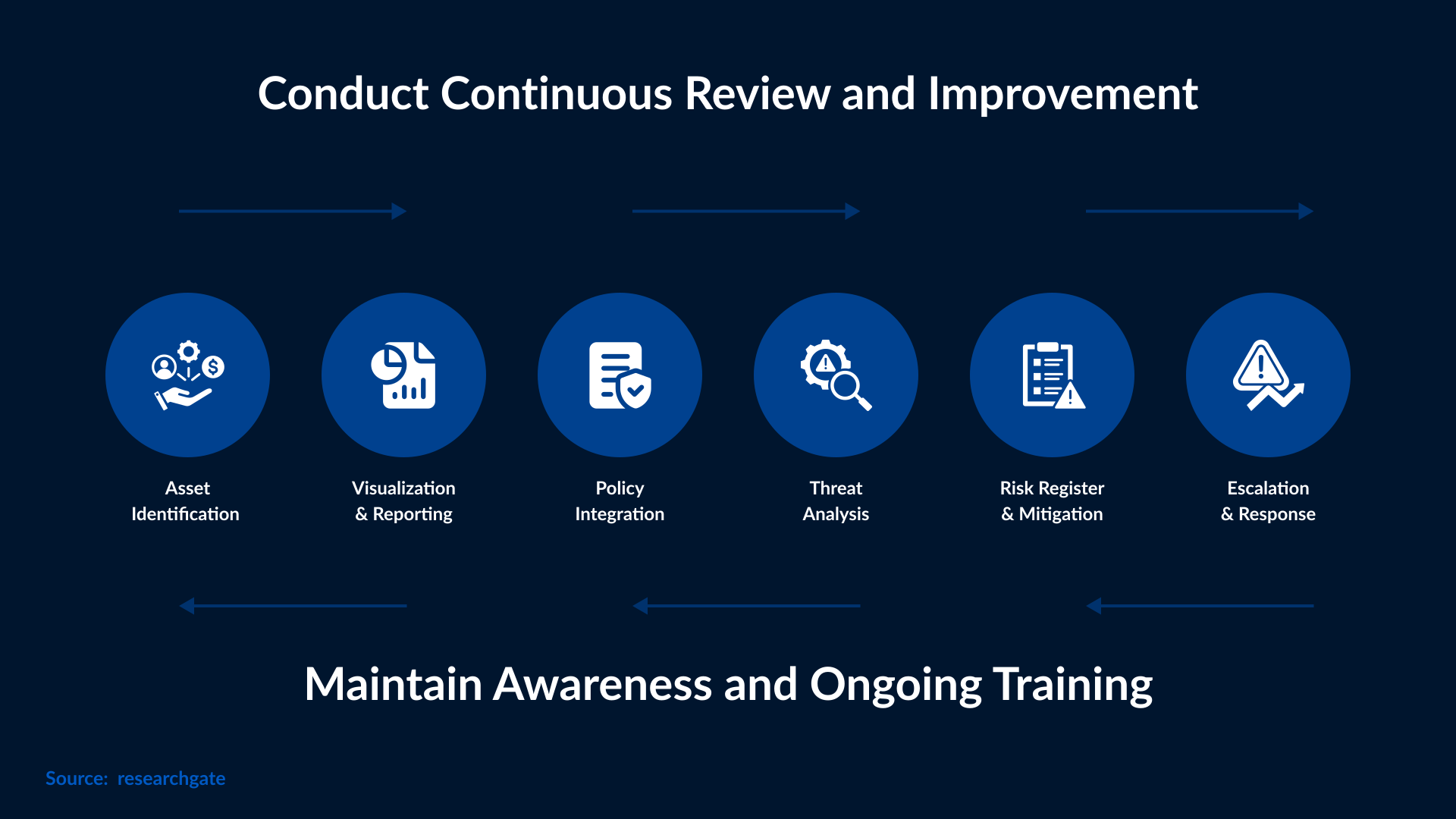
Emerging Threat Areas Modern Assessments Must Include
The issue with cyberthreats: they are only becoming more sophisticated, and therefore more dangerous, than last year. Your security from last year may be out of date today! That being said, modern threat assessment cannot just explore traditional firewalls and on-premises servers.
All organizations today are moving to some cloud platform where huge quantities of data are stored. One small mistake in configuring security in the cloud can compromise everything in minutes. Supply chain is another place where, if a third-party vendor is compromised or an organization has a software update, malware can spread faster than any direct attack. And IoT devices are becoming an issue for organizations as well; they are essentially everywhere: cameras, sensors, and even coffee machines. Often, they run “non-patched” or outdated firmware.
Organizations are also suffering from insider threats. In some cases, an employee simply makes a mistake and compromises data, while in others, a disgruntled employee may exfiltrate data on purpose. Both threats can cause severe damage without the perpetrator understanding what they did. Finally, bad actors have also started to apply AI tools to facilitate phishing and to create seemingly real phony messages, making detection increasingly difficult.
The speed at which emerging threats are expanding the attack surface makes companies play the catch-up game. You can only find a solution through regular threat assessments that let you know what’s changing underneath the surface.
Tools, Frameworks, and Best Practices to Support Threat Assessment
You need to have the right combination of tools and structure to carry out a solid threat assessment. You can do things manually, but when there are hundreds of systems talking to each other, it can slow things down. This is precisely why leveraging technology and standardized frameworks is vital. They help to maintain consistency and measurability.
Typically, security teams begin with SIEM tools, as they enable agile collection and correlation of logs across endpoints and networks. Next, organizations will deploy an EDR or XDR solution to further extend that visibility and detect odd behavior faster. Some organizations may introduce a SOAR platform once a threat is confirmed to automate responses, improving the speed and reliability of the process.
Frameworks are just as important. There are two frameworks, the NIST Cybersecurity Framework and ISO 27001, which help organize methods for threat identification, protection of systems, and response to a threat. Next, there is MITRE ATT&CK, which helps map behavior so that the team can start predicting the next attack.
There is not much point in receiving a risk assessment or a report with insight into mitigations if organizations don’t start implementing best practices, which include regularly patching systems, ensuring that software is not outdated, and validating every alert before creating panic. These simple best practices can mitigate massive losses; therefore, ensure that your organization has adopted these best practices in its daily security practices.
Conclusion
Cyber threats are not slowing down, nor should you. Every new product and every new connectivity come with both opportunity and risk. That's why regular threat assessments matter, as they create awareness, vigilance, and readiness for the next threat. Security is not built in one day. It takes time, it takes testing, and it takes ongoing improvement. The more you know about your weaknesses, the more you can protect what is most important. Then, with time, threat assessments go from "something we have to do" to "something we just do after a while", just part of the organization's day-to-day. SafeAeon helps organizations carry out threat assessment as part of their cybersecurity procedure, so that they have a good understanding of their environment and are prepared for the unexpected. This is what differentiates a reactive organization from a secure organization.