


Key Takeaways
Introduction
As more businesses switch to online operations, it becomes increasingly important to have safe, secure websites. Cyber attackers are targeting websites to steal sensitive data, demand ransom payments, and disrupt business operations. To prevent this, organizations must invest in website penetration testing. Penetration testing, also called pentesting, is a process of simulating cyberattacks to identify security gaps in a website. This allows organizations to fix all vulnerabilities on their websites that attackers can exploit to cause a breach.
Security experts use comprehensive pentesting methods to stay ahead of threats. As part of this process, automated tools such as Nmap and OWASP ZAP are often used alongside human testing. These methods work together to identify critical security vulnerabilities, such as SQL injection, cross-site scripting (XSS), and weak login systems that hackers often exploit.
Why Website Penetration Testing Matters for Cybersecurity
Domain pentesting is an important part of maintaining the safety of your online presence. Regular pentesting not only ensures compliance with rules but also enhances network security.
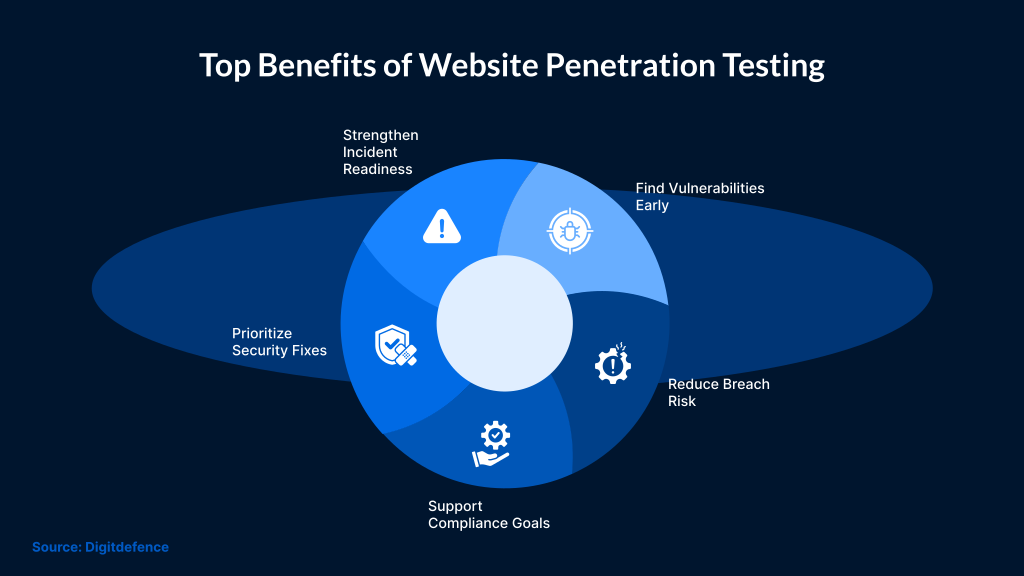
Pentesting helps security teams find weaknesses that matter and fix them faster. It also helps reduce risk and improve overall security posture.
Types of Website Penetration Testing
There are different ways of performing pentesting. It depends on the purpose and scope of the test. Three common approaches used in pentesting are:
Black-Box Testing: In this method, the pentester has no prior knowledge of the website’s infrastructure. The test reflects how an external attacker might approach the target without internal access.
White Box Testing: In this type, the tester has full access to the system. They also know how it works on the inside, including the source code. This comprehensive test is used to identify weaknesses that might get ignored during black-box testing.
Gray Box Testing: This lies between black-box and white-box testing. In this, the tester knows only some aspects of the system. It mostly provides accurate and useful data about the system vulnerabilities.
Why Website Penetration Testing is Critical
Websites are becoming more complex, with many third-party services, APIs, and systems that communicate with each other. Because of these problems, attackers have more ways to get in. Website penetration testing can identify weaknesses that might otherwise go unnoticed. This leaves companies vulnerable to data breaches, malware infections, and other cyberattacks.
Key reasons to perform website penetration testing include:
Find vulnerabilities before attackers exploit them: Pentesting helps find security gaps before attackers can use them.
Compliance: As a part of their regulatory compliance, many fields, like healthcare and banking, need regular penetration testing.
Cost Savings: A successful cyberattack costs a lot more than the money spent on normal pentesting. Therefore, it is beneficial for organizations to invest in pentesting to prevent downtime, data breaches and reputational damage.
Better Security: Regular pentesting helps organizations understand security gaps and strengthen defenses over time.
Step-by-Step Process for Website Penetration Testing
To conduct effective website penetration testing, it is important to adopt a systematic approach. Security professionals must follow a structured process to find and address potential weaknesses. Here are the steps that they need to follow to carry out an effective website penetration testing:
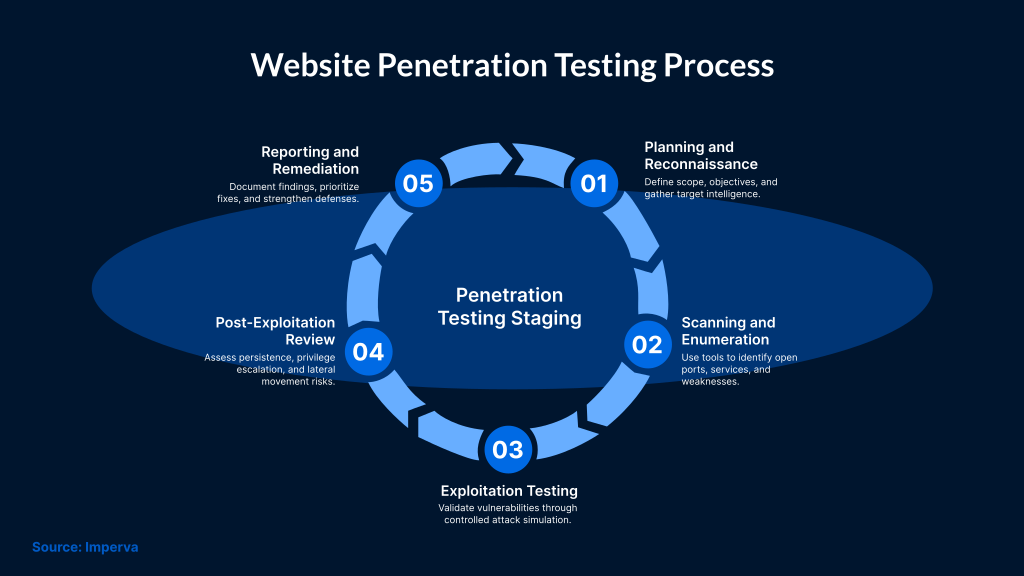
1. Planning and Reconnaissance: The pentester needs to define the scope of the test and learn as much as possible about the domain before starting to test. This step, also called research, is about learning about the target website’s structure, network settings, subdomains, and the technologies used, such as content management systems, databases, or server types. In this step, gathering accurate information is key to improving the assessment.
2. Scanning: The next step is scanning after the reconnaissance part is over. The pentester assesses the target website and identifies potential security vulnerabilities using automated tools. These tools check the web server for gaps, open ports, outdated software, and misconfigurations.
Common scanning tools include:
- Nmap is a strong tool for scanning networks that helps find open ports and services.
- Nikto is a web server scanner that finds issues like outdated software, incorrect server settings, and other security gaps.
- A free and open-source tool called OWASP ZAP can help you find security gaps in web apps.
3. Exploitation: The pentester attempts to validate the weaknesses identified during the scanning phase. This step shows how a real attacker would try to gain unauthorized access to the system. SQL injection, cross-site scripting (XSS), and brute-force attacks on login credentials are all common ways to target. The goal is to determine whether it's possible to break into the site and access sensitive information.
4. Post-Exploitation and Persistence Testing: The tester validates whether persistence or privilege escalation is possible after initial access. This step is important because real attackers often try to maintain control of a system they've compromised so they can steal data over a long period. To understand attacker behavior after initial access, the pentester might escalate their access or add backdoors.
5. Review and Reporting: The pentester reviews the results and writes a thorough report after testing is complete. In the report, you should list all the security gaps that were found, how they were exploited, and what might happen if these gaps aren't fixed. Most importantly, the report should include recommendations for reducing each identified risk.
Common Vulnerabilities Found During Website Pentesting
1. SQL Injection: An SQL injection attack is one of the most common and dangerous flaws in web apps. By adding malicious code to SQL queries, attackers can compromise a website's database. This can let people who aren't supposed to have access to private data, such as customer information and login credentials.
2. Cross-Site Scripting: Attackers can put harmful code into web pages that other users see by using XSS flaws. This can lead to cookies being stolen, sessions being hijacked, or unauthorized actions being taken by the user.
3. Weak Authentication Controls: Attackers can get into restricted areas of the website without permission if the authentication systems aren't strong enough, such as if authentication controls are not configured correctly. Common problems include weak passwords, lack of multi-factor authentication (MFA), and insufficient password hashing.
4. Insecure API Endpoints: APIs are used by many websites to talk to outside services. Attackers may be able to get in through these APIs if they are not fully protected. API endpoints can have security gaps that allow data to be stolen, accounts to be compromised, and other issues.
5. Outdated Software and Components: It is highly risky to run outdated software on a web server. Hackers often exploit known flaws in older versions of software, so it's important to ensure that all your systems have the latest security fixes.

Best Tools for Website Pentesting
Security experts can perform website penetration testing using a variety of tools. Here are some tools that are used all the time:
Nmap: A network scanning tool that can help you find open ports and services. During the reconnaissance and scanning stages of website penetration testing, it's a useful tool.
Burp Suite: Many people use it to test the security of web applications. It lets testers listen to and modify the data exchanged between the client and the server, helping them find security gaps such as XSS, SQL injection, and session management issues.
OWASP ZAP: ZAP stands for "Zed Attack Proxy," a free, open-source tool that helps you find vulnerabilities in web apps. Many people, both new and experienced security experts, like it because it's simple to use.
Nikto: A web server checker called Nikto can find outdated software, misconfigured servers, and other security weaknesses. You can quickly and easily check how safe a web server is with it.
Best Practices for Website Penetration Testing
To ensure website penetration testing is effective, security experts should follow these best practices:
Clarify Goals: Understand the test objectives before pentesting a website. Are you mainly interested in identifying specific security vulnerabilities or in conducting a comprehensive assessment of the domain's overall security?
Obtain Permission: Before conducting pentesting, ensure you have explicit permission from the website owner or admin. If you are not authorized to conduct pentesting, refrain from doing so, or else you may end up in legal trouble.
Combine Automated and Manual Testing: Automated tools can help identify common vulnerabilities much more quickly. But manual testing is still required for detecting complex security issues.
Test regularly and remediate findings promptly: As new software updates, settings, and features are released, websites and internet-facing assets are constantly evolving. Pentesting on a regular basis ensures that any new security gaps are found and fixed before criminals can exploit them.
Conclusion
Organizations looking to strengthen their security must understand malware risks and the mitigation strategies. Malware remains a serious cybersecurity threat not only to data and operations, but also to the reputation. Therefore, it’s important to take proactive measures to reduce the risk of malware attacks by keeping systems up to date, training employees, and using advanced security tools for rapid detection and response. SafeAeon can help organizations reduce malware risk with practical security services aligned to their needs.