

Key Takeaways
- A single emergency response is estimated to cost between $10,000 and $25,000.
- 2023-2024 saw the highest number of swatting attacks targeting U.S. politicians, with dozens of high-profile victims.
- Only 10-20% of swatting incidents result in an arrest, showing how carefully attackers plan and execute these attacks.
Introduction
Cyber pranks have increased in the past few years. There is a fine line between playing a prank and harassing someone. People in the excitement of playing a prank often land themselves and others in trouble. On the other hand, some individuals harass others due to a dispute or revenge. On most occasions, victims narrowly escape the harassment against them, but sometimes, they pay severe consequences in the form of property damage, injury, or even death. This form of harassment is known as ‘Swatting’, and it’s becoming increasingly common each year.
What Is Swatting?
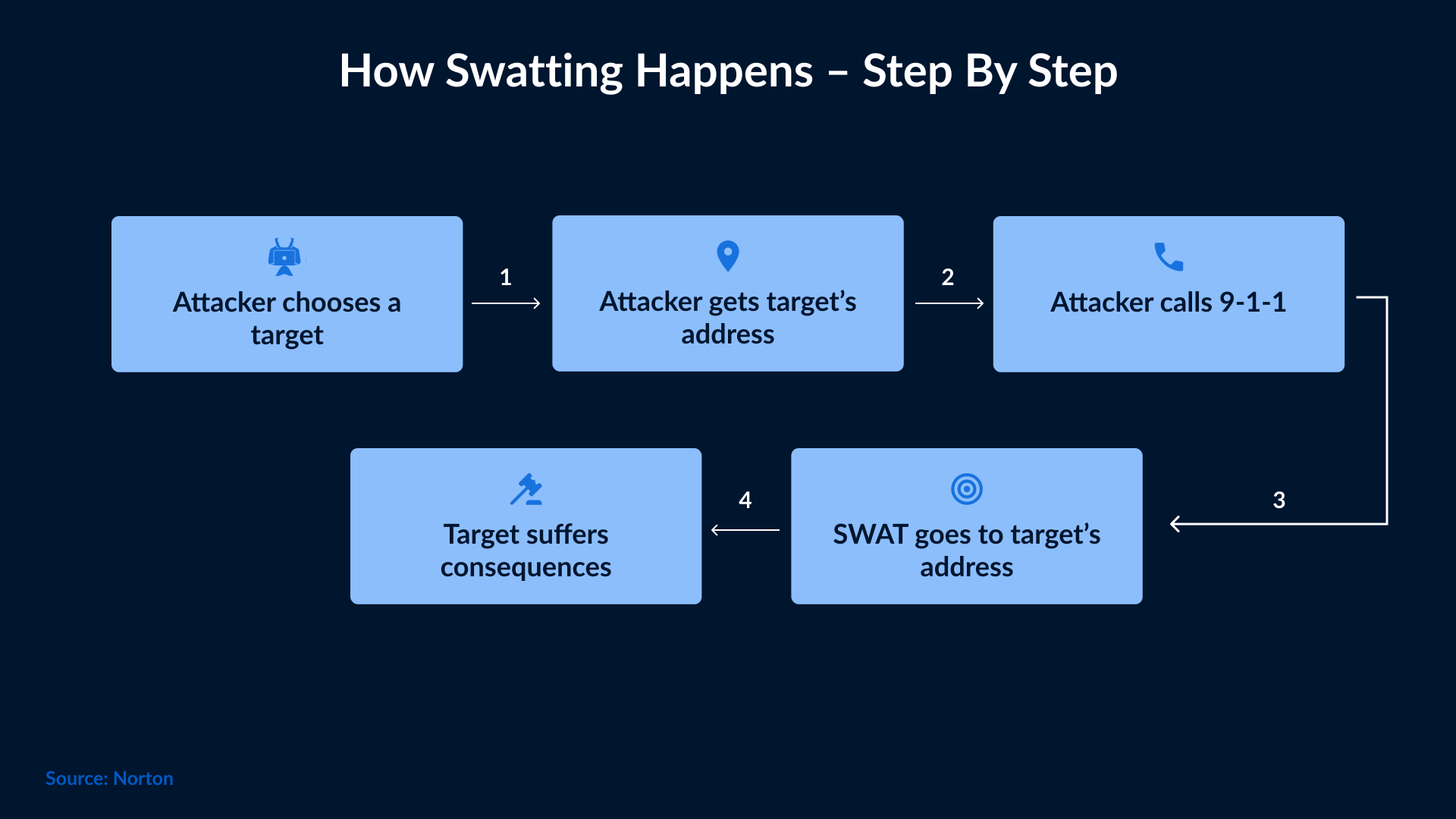
Swatting is a term used to describe a malicious act where individuals make fake emergency calls to trigger a response from law enforcement.
People who use these cyber pranking tactics are called swatters. They often report false murders, hostage situations, and bomb threats. These false reports have led to many deaths of innocent people who were targeted by SWAT teams.
How Swatting Works: Techniques and Tactics
Swatting is done using anonymous phone calls or online messages. Swatters use various technologies to hide their identities and locations. Here are some of the common ways of carrying out swatting:
1. Spoofing: This technique involves disguising the phone number or email address, making it appear as if the call or message came from a different person or location. It makes it difficult for law enforcement to trace the source of the swatting threat.
2. Hacking: Here, the perpetrator gains control of the victim’s personal information or online accounts to make the hoax more convincing.
3. Social Engineering: This method is now widely used to gather information about the victim and their location to make more convincing swatting threats.
4. Collaboration: Sometimes, swatters collaborate with others to carry out a swatting incident. They share information or coordinate the timing of the false report.
How Do Swatters Get the Info They Need?
Swatters obtain information about victims through public records, social engineering, data breaches, and social media profiles. They may impersonate trusted sources to trick people into revealing personal information. Here are the most common ways swatters gather information about victims:
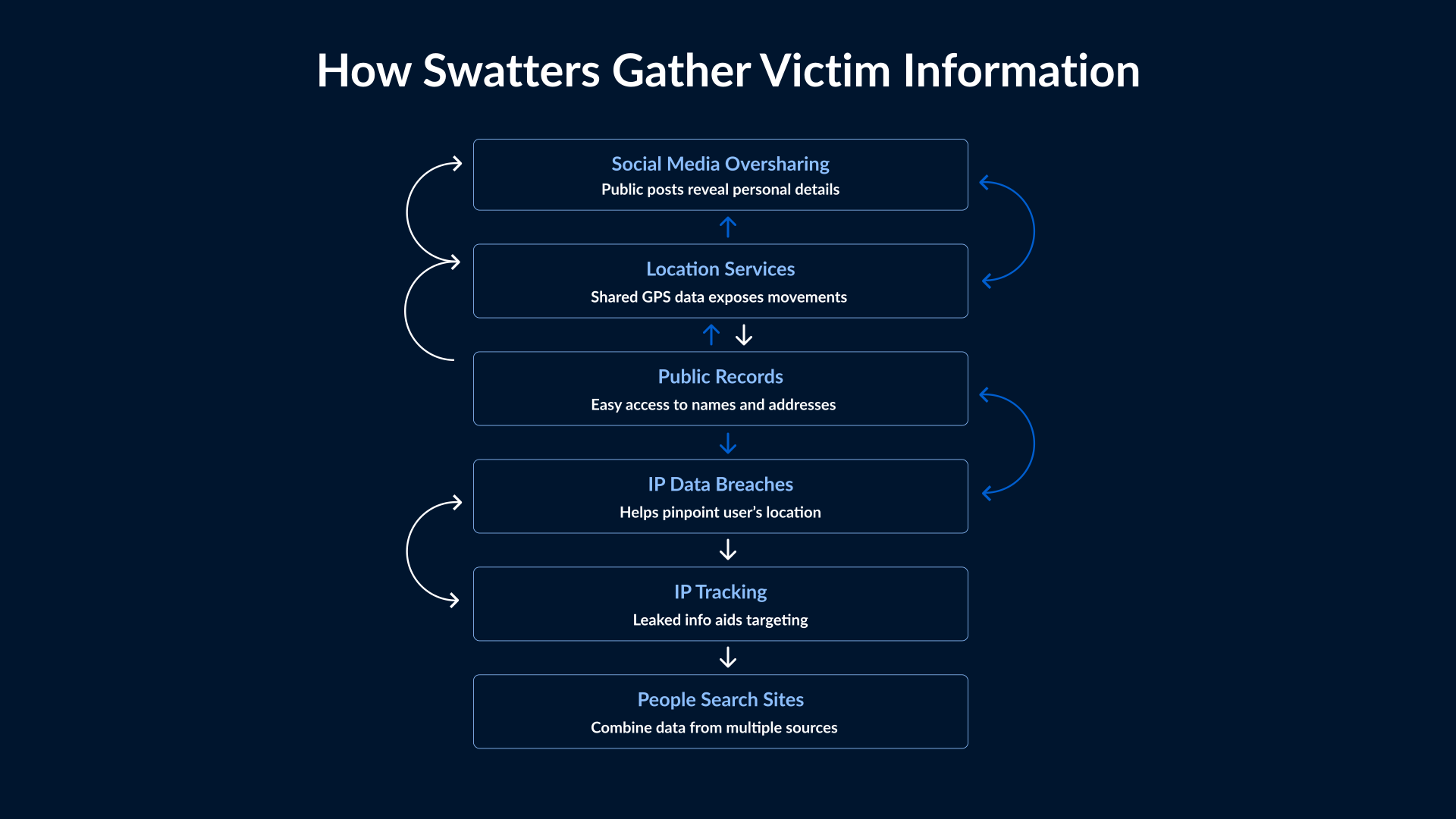
Location Services: Sites like Find My, Life360, and Snap Map provide real-time updates on your whereabouts. If your information is public or shared with the wrong person, then your movements and location can be tracked.
Oversharing: Avoid sharing excessive personal information online. Posting an event address, using check-in features, or taking selfies around your residence can reveal your personal details and home location.
IP Addresses: Swatters with a good knowledge of network hacking can narrow down your physical location by knowing your IP address. As you connect to the internet, your IP address is linked to the geolocation database. Finding an approximate physical location is not difficult for experienced swatters.
Public Records: If your voter registration and tax-related documents are available in public records, then swatters can use them to find your personal information.
Online Databases: Many online databases and people search sites contain personal information of individuals, including their addresses, phone numbers, and other crucial details. If this information gets into the hands of swatters, it can cause big trouble for the people they are looking to target.
Why Do People Commit Swatting?
Swatting is often intended as a prank, but when SWAT teams respond to those pranks, it becomes a serious problem. There have been times when swatters carry out targeted attacks using sophisticated software to hide their identity and location. The motive behind such attacks may include revenge, seeking attention, or the thrill of creating chaos. The most common victims include celebrities, media figures, influencers, gamers, and live streamers.
Real-World Examples of Swatting
1. Tennessee Swatting: In 2020, a man named Mark Herring was swatted for not accepting the offer to sell his Twitter handle. The swatter built a narrative that Herring killed a woman at his home. Law enforcement surrounded his house following that false report. Herring experienced a cardiac arrest and died eventually.
2. Rainbow Six Siege Swatting: A French man named Yanni Ouahione made a hoax hostage call to police, claiming that hostages had been taken within the Ubisoft office in Montreal. Police arrived at the location and evacuated the building. When they found that it was a hoax call made by the man to take revenge on the company for banning him from playing the Rainbow Six Siege game nearly 80 times, he was sentenced to 3 years of community service.
3. Season of Swatting: From 2023 to 2024, a wave of swatting incidents occurred against American politicians. Many top politicians, high-profile supporters, and donors were swatted over the holiday season. The entire incident became known as the ‘Season of Swatting’.
There are many more incidents where people have been jailed, injured, and even lost their lives.
What are the Consequences of Swatting?
Swatting is a serious crime that carries severe consequences. Here are some of the potential consequences of making a swatting call:
1. Criminal Charges: Swatters can be charged for making a false report, false alarm, or other related crimes.
2. Civil Lawsuits: Victims can file civil lawsuits for the damages caused by law enforcement in response to a false report or alarm.
3. Law Enforcement Response: Swatting can trigger a law enforcement response, such as dispatching SWAT teams, bomb squads, or other specialized units to the location mentioned in the false report. This puts innocent people at risk and wastes valuable resources of law enforcement.
4. Injury or Death: In the worst cases, people have lost their lives from the law enforcement response or while trying to defend themselves from perceived threats.
5. Reputation Damage: Swatting can also cause reputation damage for the perpetrator, like potential job loss or public scrutiny.
Swatting has severe and long-lasting effects on both the perpetrators and the innocent people involved.
Legal Penalties and Jurisdictional Challenges
People involved in swatting violate several state and federal laws and are subject to serious legal consequences. At the federal level, perpetrators may face charges under the following statutes:
1. 18 U.S.C. 1038 - Conveying false information about violent acts or property damage/destruction.
2. 18 U.S.C. 1030 - Fraudulent activity related to computers, including hacking.
3. 18 U.S.C. 875c - Sending threats across state lines.
Regarding penalties, false reports can lead to up to five years of imprisonment, while causing serious injury may put the perpetrators behind bars for 20 years. If a swatting incident leads to death, perpetrators may face life imprisonment. These laws clearly reflect the gravity of this criminal activity and the lasting consequences for offenders.
How to Prevent Swatting
While it is not possible to stop swatting, people can take certain steps to avoid becoming a victim. Here are some steps to follow to prevent swatting:
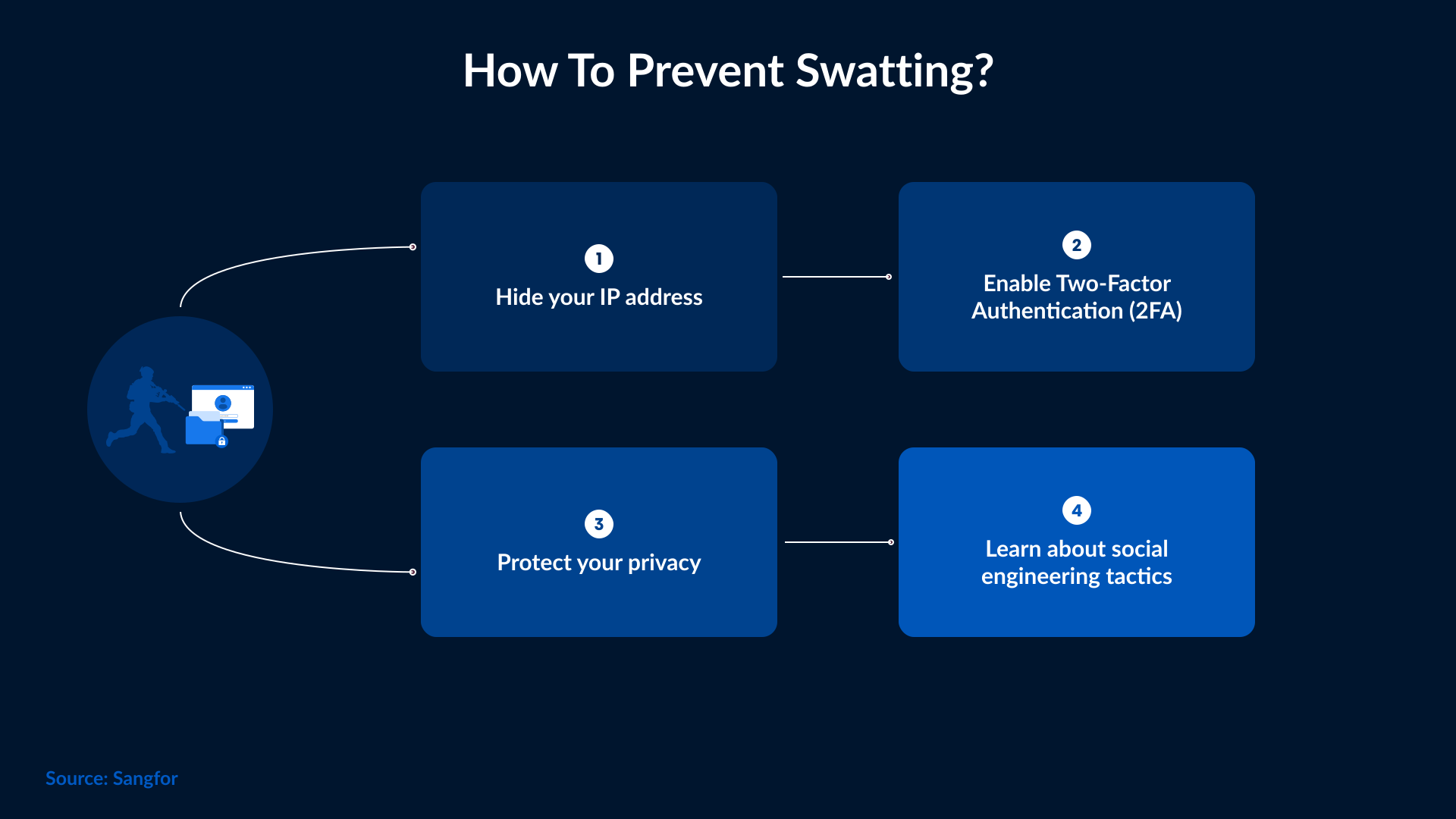
1. Privacy Settings: Users can enforce strict privacy and security settings on their devices and social media accounts. It’s important to review safety and security settings regularly, especially after getting a new computer or mobile phone.
2. Change Passwords Regularly: Using strong and unique passwords for online accounts is a great step towards protecting your personal data. But changing those passwords is equally important. Moreover, don’t keep the same passwords for all your accounts because if one gets breached, others may too.
3. Turn on Two-Factor Authentication (2FA): Using strong passwords alone won’t help prevent swatting. Users must add an extra layer of security, such as 2FA.
4. Avoid Oversharing: Users must refrain from oversharing personal information on social media and public websites to prevent the threat of swatting. Moreover, users must be mindful of the information shared on social media. Excessive personal information can help attackers determine a user’s location.
What to Do Once You are swatted?
If an attacker successfully launches a swatting account on you, then here are the steps you must follow to protect yourself:
Don’t Panic: SWAT teams will arrive at your location, thinking there is a serious emergency. You can’t predict how they might react. But if you remain calm, then you can expect the authorities to respond in the same manner.
Cooperate: Regardless of how tense and scary the whole incident gets, you must cooperate with law enforcement responders. Let them handcuff you or search the entire house. Once they understand that the reporting is false, they will leave.
Report: The whole incident can be traumatic and expensive, so make sure you report it to the appropriate authorities and, if possible, press charges against the perpetrators.
Conclusion
Swatting incidents are increasing and becoming more advanced with AI-based hoax calls. Individuals and businesses need to implement adequate safety measures to prevent falling victim to such attacks. Get in touch with SafeAeon to know about your system’s vulnerabilities and how to close dangerous security gaps. Swatting attacks can be prevented by enhancing your safety and awareness regarding this type of attack.