


Key Takeaways
- Human behavior remains one of the main reasons security breaches occur. Social engineering attacks, such as phishing, exploit human behavior rather than targeting technical systems. (IBM)
- Social engineering attacks rely on user interaction, which is why controlled testing tools like SET are important for studying early attack behavior and response gaps. (Verizon)
Introduction
The Social Engineering Toolkit, or SET, is a tool that security teams use to copy the tricks that attackers use. It helps them see how well a company reacts when a message or link does not look legitimate. It can also test how people respond when they land on a copied website. Most guides cover only basic SET features. This blog explains how experts use SET in real tests and how defenders notice SET activity before harm occurs.
What Happens Inside the Social Engineering Toolkit (SET)?
The Social Engineering Toolkit is like a small machine that has many working components. Each component does a different job. One component will create fake websites while another will compose messages for testing. Then, there is another component that prepares small scripts to check if the device reacts in an unsafe way. The path of SET is decided according to the action chosen by a tester. It builds the necessary content, followed by starting the server or script. After that, it waits until someone interacts. Once the activity is complete, the results are gathered and presented in a clear way. This flow is helpful for red teams, as it allows them to test ideas without writing new code each time. SET can also connect with other security tools for carrying out deeper testing.
How Red Teams Use SET’s Advanced Tools
SET contains several modules that allow red teams to develop advanced tests. The modules provide a standard and reliable means of measuring a red team’s effectiveness in performing assessments. A few modules that red teams use frequently are:
- Cloned login screens: These are designed to look like legitimate login portals. By using cloned login screens, red teams can assess how an individual responds to a familiar page that is not functioning properly.
- Click-based scripts: SET can run a small script when someone clicks a link or opens a file. This helps the tester understand how far an attacker might travel inside a system.
- QR testing tools: These tools are used to create QR codes that lead to controlled tests. They are particularly helpful in companies where mobile devices are frequently used.
- Wireless testing options: Some modules check the response of people to unsafe wireless setups.
Red teams choose modules based on how the organization operates.
How SET Creates Realistic Test Content
Having a social engineering toolkit allows red teams to make tests feel real. People usually react based on what something looks like, which is why red teams create content that blends in with normal work.
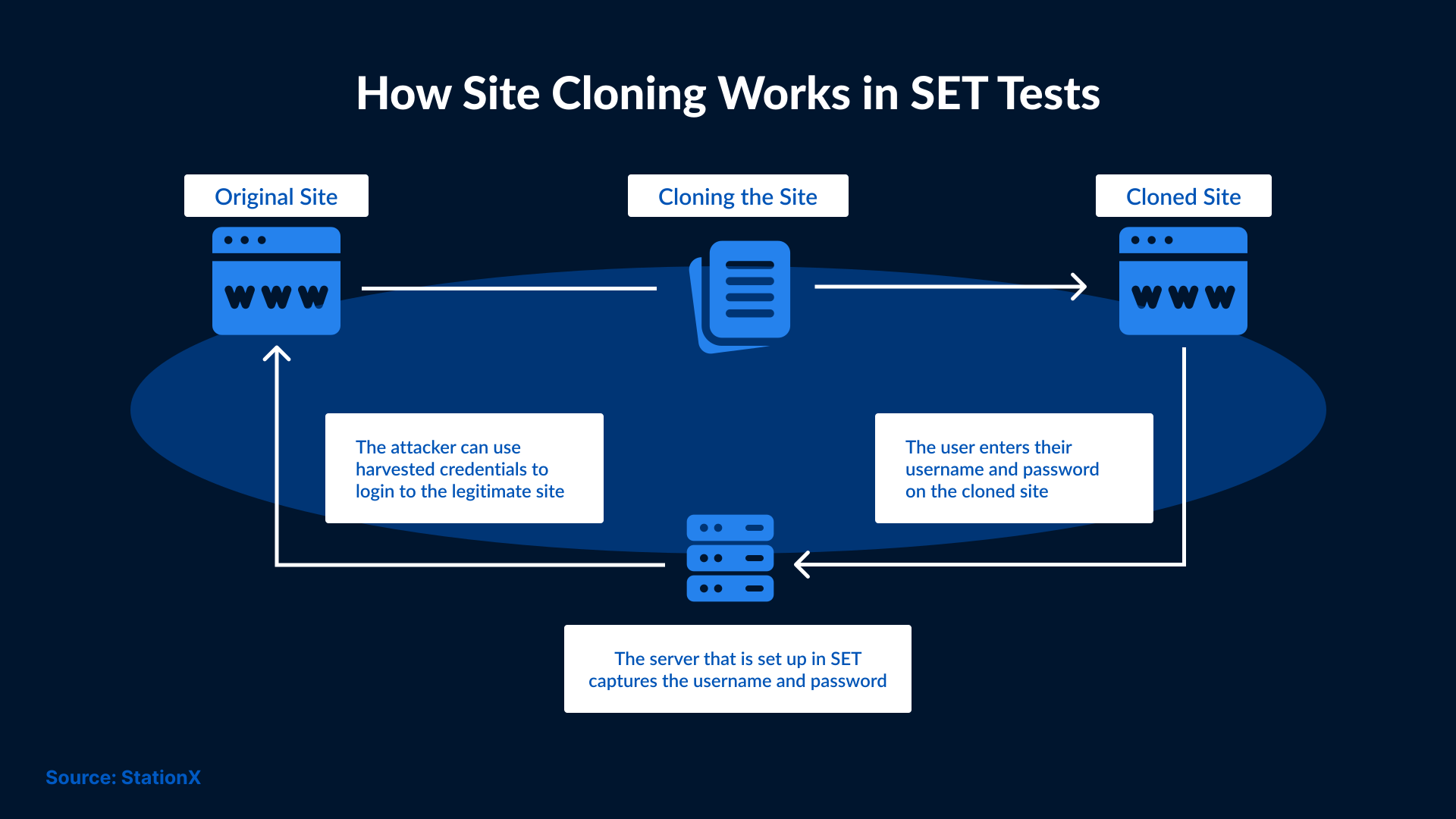
Website copies: SET can copy a page and create a version that looks similar to the original. Testers use this method to observe how people react when they see a familiar page behaving in a new way.
Email templates: SET allows testers to write simple messages in the same style that is used in the company. With this, they are able to check if someone knows how to spot a message that looks legitimate, but contains subtle issues.
Small test programs: SET can create small files to help testers understand how a device reacts when something unusual runs.
Red teams will continue to adjust these items until they get the results that match the company’s daily routine.
How SET Fits into a Red-Team Test
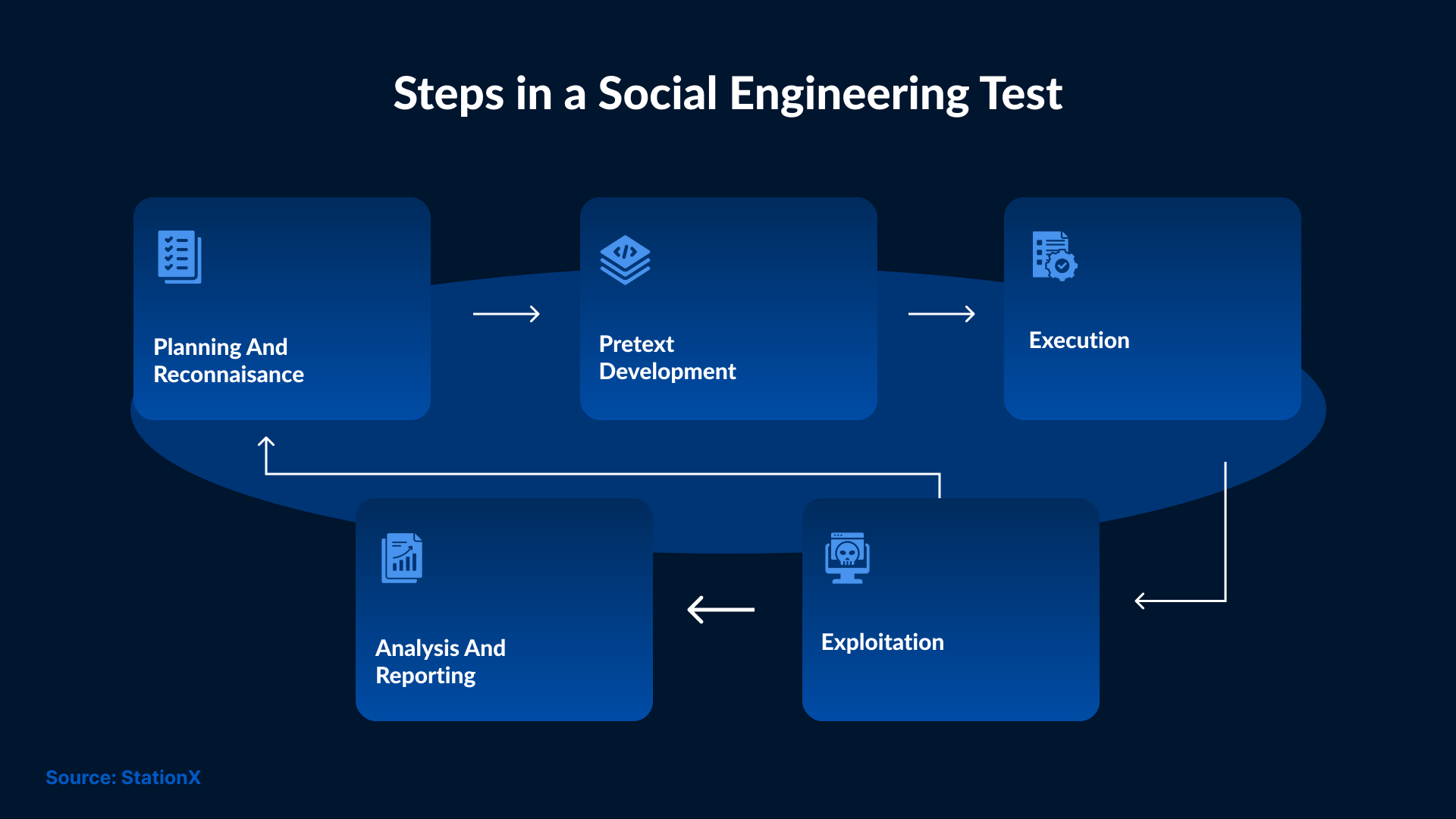
Red teams don’t use SET on their own. They place it inside a larger plan to make tests feel real and organized. The plan usually starts with learning the day-to-day operations of the company. This helps them choose the right type of test.
Once they define a clear objective for conducting the test(s), red teams will use SET to create the required landing page or phishing email message content necessary in order to perform the desired test(s). After that, they wait for the right moment to send that page or message. Timing is crucial because people behave differently at different hours.
As a person interacts with the test, SET begins to record everything. The red team studies the details and checks whether any alerts were triggered. This shows how well the people and tools handled that moment. Finally, the team shares the results so that the company knows what to fix.
Using Social Engineering Toolkit in MFA and Cloud Environments
Many companies are using tools like MFA and cloud apps to stay safe. SET does not break these tools. Instead, it helps red teams understand the reaction of people when they see something that appears normal, but slightly off.
In some tests, SET creates a page that asks for an MFA code. When someone enters the code, the red team monitors how quickly the system notices the unusual activity. This helps them understand if the company’s alerts are working properly or not.
Cloud apps like Microsoft 365 and Google Workspace play an important role. Both apps are capable of blocking unsafe links before users click them. SET can help testers find out how strong these blocks are. If a page gets stopped, the team tries a new approach to study the response of the app.
These tests give a clear picture to the team of how the company’s setup reacts when something unusual happens.
How SOC Teams Notice SET Tests
The role of a SOC team is to look for unusual activities inside the network. SET can leave small clues to help the team notice a test or a real attack.
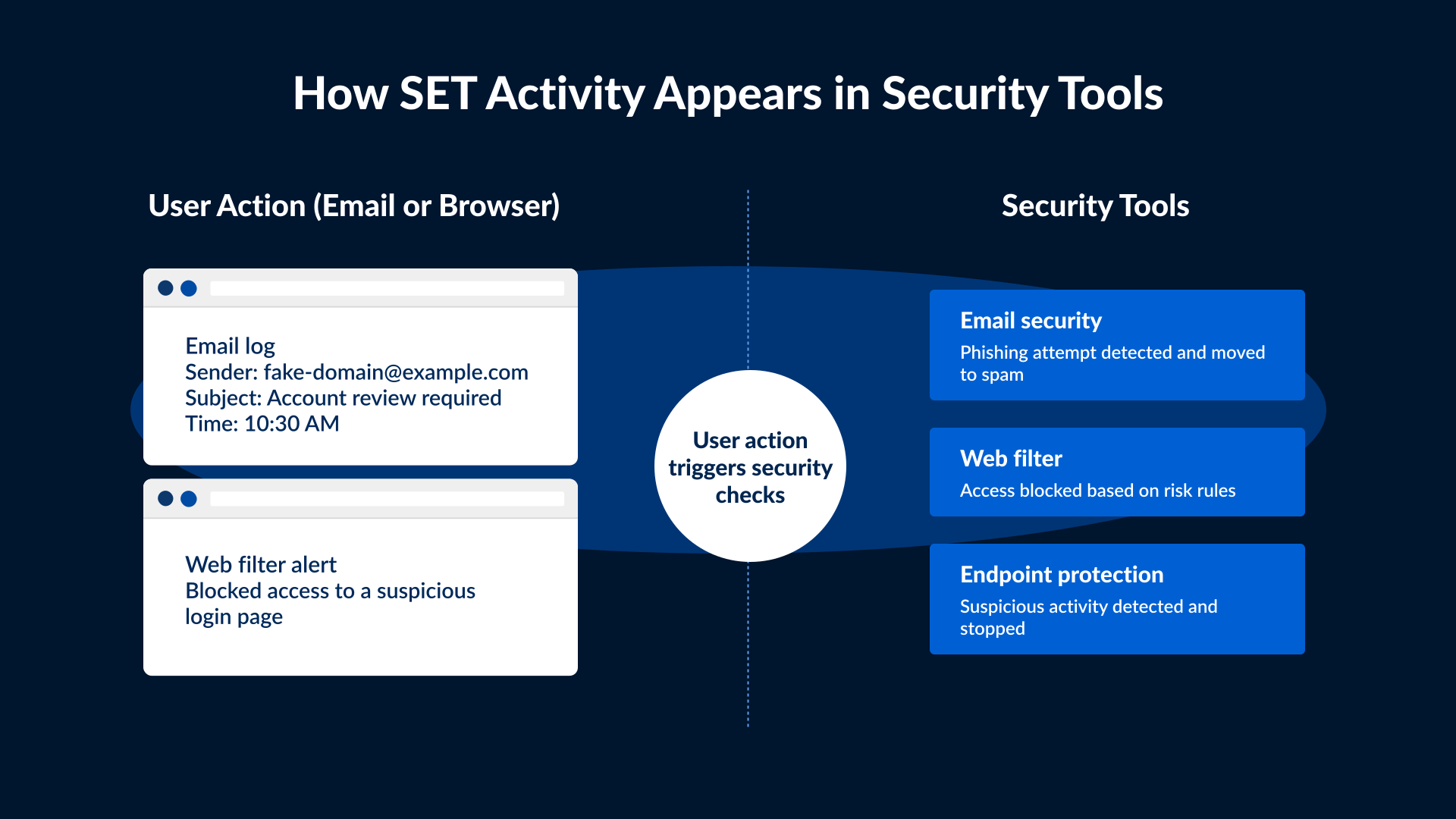
Email logs: A message can be received from a sender that the company has never seen before. The message also has a link attached that leads to a server that looks new or out of place.
Browser logs: In this, a user may be pushed through a few quick redirects before landing on a page. This pattern is common in SET tests.
Even network tools can pick up odd traffic. A device might reach out to a server that is not part of the company’s normal list. Some devices also show alerts when a script tries to gather simple details from the system.
These hints allow the SOC team to react before the test reaches deeper areas.
Basic Response Plans for SET Tests
After identifying unusual activities within their networks, every security team has a standard procedure to follow. SET tests help them see if those steps work the way they should.
The first step is usually a quick look at the link or file that someone has interacted with. They will look for information about where the link came from and how it acted when opened by the individual.
Next, security teams will go through any alerts associated with that incident. Email and web filters, along with endpoint tools, can leave traces of suspicious activity. When an organization does not receive an alert, it is necessary for security teams to investigate why an alert was not generated.
Many teams also prefer to speak with the person who clicked the link. This helps them understand why the link was clicked and if they found anything unusual at that time.
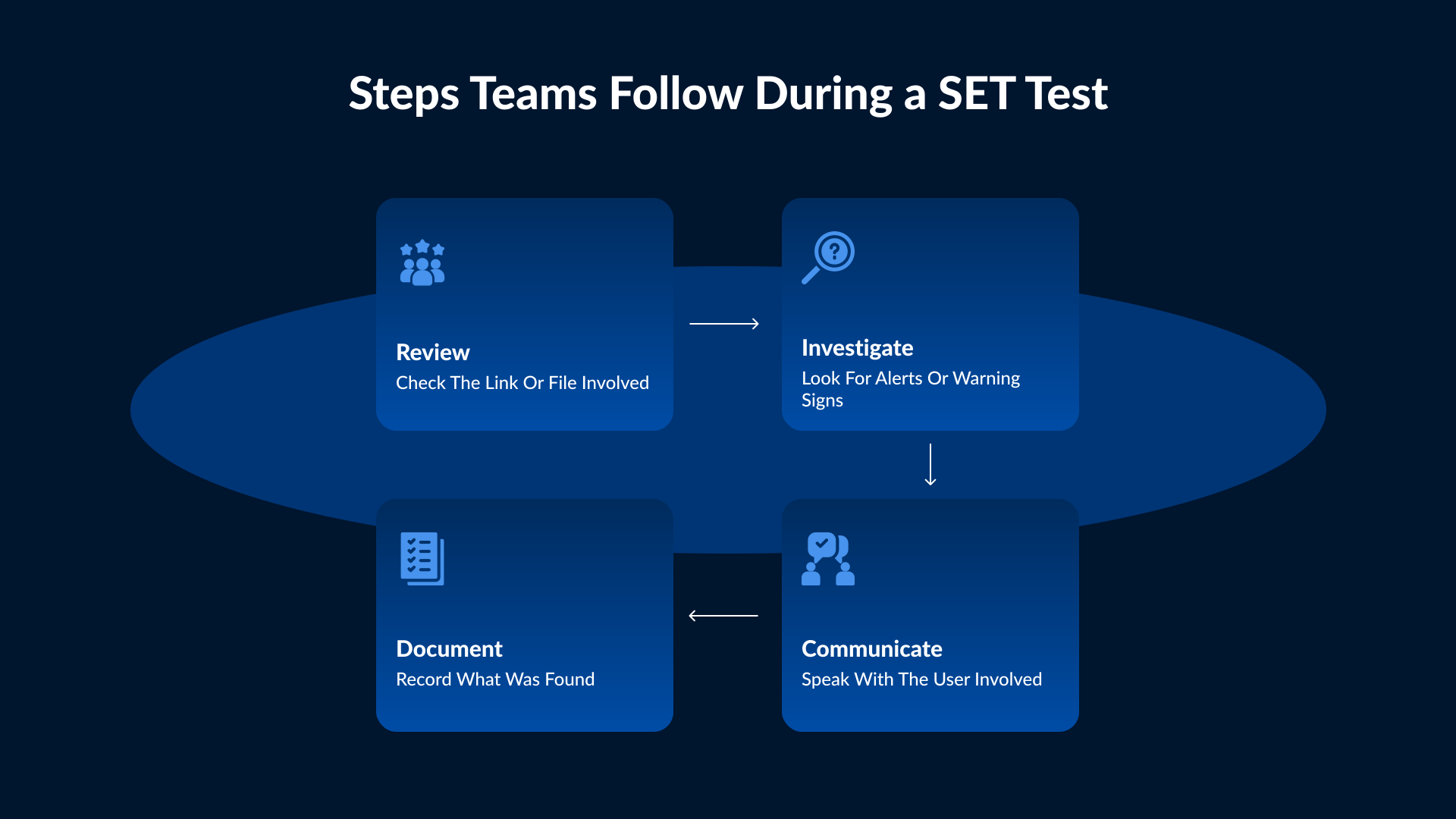
With these simple steps, security teams can learn about their ability to react under pressure. Each test allows them to adjust their process to make it smoother and faster over time.
Technical Limitations of SET
SET cannot be used for every type of attack, despite being a useful tool. Many email filters block the pages and messages created through SET. Even the newest browsers provide users with a warning about pages that look suspicious, and that often prevents some tests from being conducted at all. Multi-factor Authentication (MFA) systems make testing more difficult as SET is unable to bypass newer verification steps. Some payloads fail on devices that have strict controls. These limits do not weaken SET. They simply show that real security testing must use more than one tool. Red teams use SET to understand the first stage of an attack, not every stage.
Using SET Safely and With Approval
SET should be used with clear permission. The red team must get written approval from the company to initiate a test. This will prevent confusion or legal issues. Many companies adhere to certain standards like ISO 27001 or SOC 2, where they must document who ran the test, when it took place, and why it was needed. Therefore, it will be important for teams using SET to also protect any data they collect throughout the course of conducting their tests. This includes names, usernames, and even small device characteristics. Storing the information safely is part of responsible testing. By following these guidelines, teams can use SET responsibly and create a safe environment to conduct their educational experiences.
Conclusion
Social Engineering Toolkit (SET) gives red teams a safe way to study how people and systems react to tricky situations. It also helps security teams identify areas of improvement. It cannot copy every type of attack. However, it helps teams understand what early warning signs look like. SafeAeon helps organizations deploy SET in the right way. This includes knowing when to use it and how to use it safely. With this support, security teams gain more confidence. They also become better prepared to respond to real threats.