

Key Takeaways
- Ransomware attack on CDK Global disrupted critical software used by more than 15,000 auto dealerships in North America. CDK systems remained offline for over two weeks. The incident caused an estimated $1 billion in industry losses. (IBM)
- Attackers are using software vulnerabilities more often to gain initial access. Cloud Security Alliance reported a 180% increase compared to the previous year. (CSA)
Introduction
Many organizations use software platforms to run daily operations, store sensitive data, and communicate with customers. This high dependency on software platforms makes them lucrative targets for ransomware attacks.
The CDK Global cyberattack showed how a software outage can affect businesses that depend on one major platform. CDK Global provides technology solutions for the automotive industry. Many dealerships use its systems for daily business operations.
Ransomware attacks can lock important business data. Some attacks also involve stolen data and ransom demands. These attacks can disrupt normal business operations and cause financial losses. In the long run, this can damage customers' trust.
A major learning from the CDK incident is that businesses need stronger security controls. Businesses must have tested backups and an incident response plan. They need to ensure their systems remain up to date, as older systems may have security gaps that attackers exploit.
Understanding the CDK Ransomware Attack and Reducing Risk
A ransomware attack can start through a phishing email. It can also start through unpatched software or stolen login details. Once attackers get access, ransomware may lock important files and demand payment to restore access.
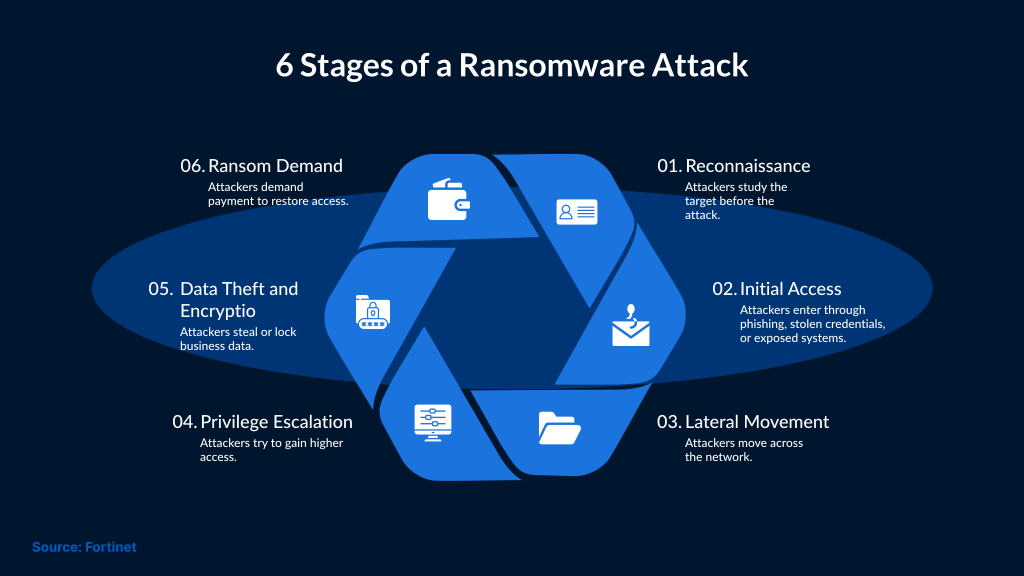
Automotive businesses are at greater risk because they handle customer information and financial records. They need software systems for their daily operations. When these systems are impacted, everything from sales to service and backend work slows down.
Companies can reduce risk by keeping software up to date. They should also use data encryption, secure backups, and a clear incident response plan. Backups should be stored securely and tested regularly.
As ransomware becomes more advanced and threatening, businesses must regularly review their security controls. This will help reduce the risk of disruption should an attack occur.
Why the CDK Cyberattack Caused Major Disruption
The CDK cyberattack caused major disruption to dealerships. They had to manage their daily operations without normal access to key software programs.
Accounting teams also had to review financial records from different departments. This may have included sales, service, and parts. Restoring normal records and workflows could take time after an outage of this size.
What Is Known About the CDK Cyberattack?
The exact cause of the CDK cyberattack has not been fully confirmed in public reports. CDK said it shut down some systems after detecting a cyber incident.
Various reports later linked the attack to the BlackSuit ransomware group. Reuters also reported that hackers demanded millions of dollars in ransom.
The incident showed that businesses must have tested recovery plans. It also showed the risk of depending on one platform for daily operations.
Dealerships experienced the direct impact of the incident. Many teams had to continue sales, service, and accounting work without normal system access.
How Did the CDK Cyberattack Affect Dealerships?
There has been no confirmation about the exact attack path. The exact attack path has not been confirmed publicly.
The CDK outage impacted dealership systems used for daily operations. So, they had to use manual processes until CDK restored its services.
Sales activity was also affected due to the outage. CBS reported that the incident could reduce June vehicle sales by about 100,000 units compared to the same period in 2023.
BlackSuit was reported as the suspected ransomware group behind the attack. CISA later updated its advisory stating that Royal ransomware actors had rebranded themselves as BlackSuit.
What Do We Learn?
The CDK cyberattack showed how quickly a ransomware incident can disrupt daily business operations. It also showed why businesses need to prepare before an attack happens.
It’s not possible to eliminate the risk of a ransomware attack. However, organizations can reduce risk through clear security controls and tested recovery procedures.
Plan for Handling an Incident
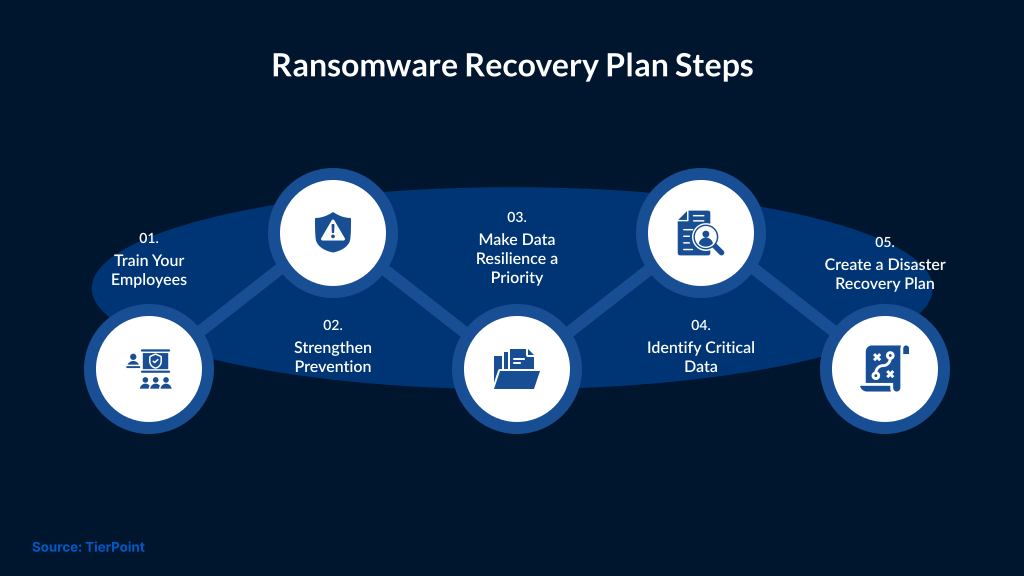
A written incident response plan is important for ransomware readiness of an organization. The plan should outline what teams need to do during an attack, including steps for communication. This helps employees and response teams act in the right order. There should be printed copies of the plan available, as digital files may become inaccessible during a ransomware attack.
Backing Up Data
It is extremely important to back up critical data and keep it in a secure location. These backups can help with recovery after a ransomware attack. To verify that backups are working, organizations should test them regularly. Tested backups can help a business recover without agreeing to the ransom demand of the attackers.
Steps to Take to Prevent Ransomware
The basic step organizations should take is to run regular vulnerability scans. These scans will help find out weak points in systems. Another important step is to update all software, as unpatched software can give attackers a way into the network. Remote access tools should also be protected carefully. Make sure Remote Desktop Protocol is not open to the internet without strong controls.
Security Settings
All devices should be configured securely. This includes on-premises devices, cloud systems, mobile devices, and personal devices used for work.
With strong security settings, the risk of unauthorized access is significantly reduced. They can also help reduce the spread of ransomware after it enters an environment.
Businesses should also take ransomware readiness tests to identify vulnerabilities in their environment that attackers might exploit. CISA provides ransomware guidance and resources, which businesses can review.
Conclusion
The CDK cyberattack showed how ransomware can disrupt businesses that depend on critical software platforms. Attacks like this can lock down critical data and disrupt normal operations.
To reduce this risk, businesses must ensure that their systems and software are up to date. Additionally, they should use data encryption and secure backups. Backups must be kept in a secure, offline location to prevent attackers from accessing them. Regular threat assessments can help identify risks. Businesses can then review and reduce those risks before they become security incidents.
Having a clear incident response plan also helps mitigate the impact of an attack. SafeAeon helps businesses improve ransomware readiness through security monitoring. It also supports risk assessment and response planning when ransomware risks are identified.