

Key Takeaways
Introduction
Brain Cipher ransomware has recently drawn attention after being linked to major ransomware activity. Like other ransomware, it can encrypt business files and interrupt normal operations. The pressure becomes higher when attackers also threaten to leak stolen data.
Brain Cipher also appears connected to LockBit 3.0-based ransomware activity. This matters because attackers can reuse leaked ransomware tools instead of building new malware from the ground up. When these tools spread, other threat actors can use them to create similar ransomware. This is one reason Brain Cipher became a concern soon after it appeared.
A recent report by Searchlight Cyber shows an increase of over 56% in the number of active ransomware groups in the first half of 2024. Traditional security tools can struggle when ransomware activity is detected too late, especially after attackers have already gained access, moved laterally, or disabled recovery services.
Why Brain Cipher Ransomware is a Serious Threat
Brain Cipher ransomware has attracted attention due to its reported use in major ransomware incidents.
Brain Cipher is different from basic malware because it is designed for encryption and extortion. Once attackers gain access to an environment, ransomware can encrypt files and disrupt systems. As a result, pressure on victims increases through ransom demands or threats of data leaks.
These threats are especially serious for small and medium-sized businesses because they may lack mature security controls, tested backups, or 24x7 monitoring.
Brain Cipher and the Indonesia Data Center Attack
Brain Cipher was a newly observed ransomware operation at the time and appears to be linked to the leaked LockBit 3.0 ransomware builder. Reports on the Indonesia National Data Center attack noted that the ransomware used in the incident was a LockBit 3.0 variant or closely resembled payloads created with the leaked LockBit 3.0 builder.
LockBit’s infrastructure was disrupted by international law enforcement in 2024, but leaked ransomware builders can still allow other threat actors to create similar payloads. This is why Brain Cipher became a concern soon after it appeared. It showed how leaked ransomware tooling could continue to create risk even after a major ransomware group was disrupted.
Double Extortion and Financial Pressure
The operators behind Brain Cipher ransomware are financially motivated, similar to LockBit operators. They use double extortion to increase pressure on victims. In this model, attackers encrypt files and demand a ransom. They may also threaten to leak stolen data if their demands are not met.
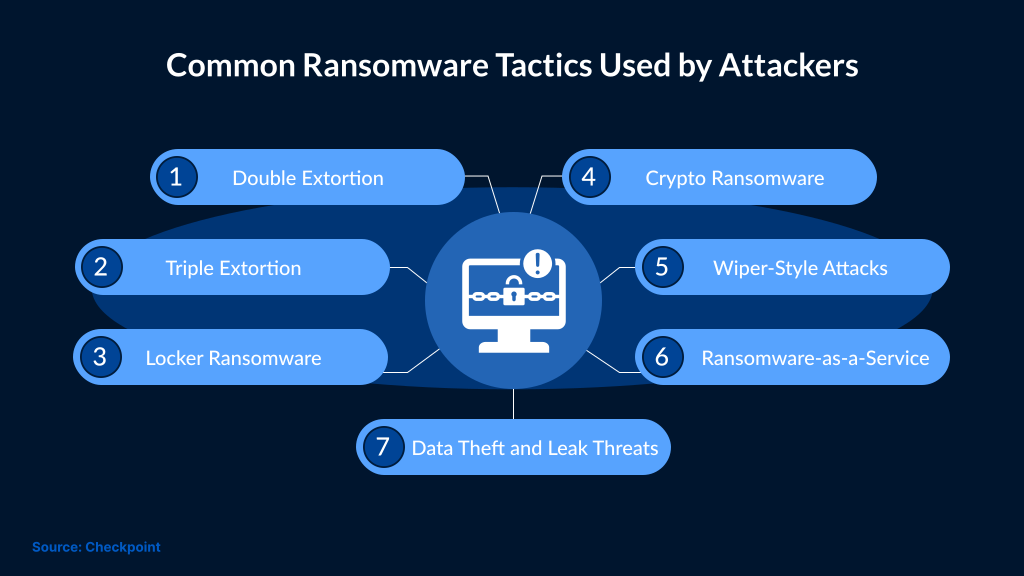
This creates more pressure on businesses because the impact is not limited to file recovery. Organizations may also face reputational damage. Additionally, there may be legal concerns and customer trust issues if attackers expose sensitive data.
Multiple Brain Cipher Ransom Note Variants
As of June 2024, Brain Cipher ransom notes have been observed in more than one variant. This means there might be different versions of the ransom note used. However, limited public available information is available on the exact variants used in the major attack on Indonesia's National Data Center.
Brain Cipher and the PDN Data Center Attack
Government reports stated that suspicious activity in the PDN environment was observed before encryption began. Attempts were reportedly made to disable Windows Defender protection on June 17 at 11:15 PM. On June 20 at 12:54 AM, the ransomware attack occurred before the activity was contained.
During the attack, key services such as VSS, Hyper-V Volume, VirtualDisk, and Veeam vPower NFS were reportedly disabled. Malicious files were placed on affected systems, and some system files were reportedly deleted.
On June 23, the attack was identified as Brain Cipher ransomware. The incident disrupted public services. Immigration and airport-related services were severely impacted by the ransomware attack. It was reported that attackers demanded an $8 million ransom and also threatened to release sensitive data if the demand was not met.
A Closer Look at Brain Cipher Ransomware
After gaining access to a network, attackers deploy Brain Cipher ransomware to encrypt systems and support extortion. Ransomware attacks often begin with phishing emails, malicious links, infected attachments, or compromised credentials. Once inside, attackers may escalate privileges and expand their access. Attackers may use Windows Command Shell, attempt to bypass User Account Control, or abuse other system tools.
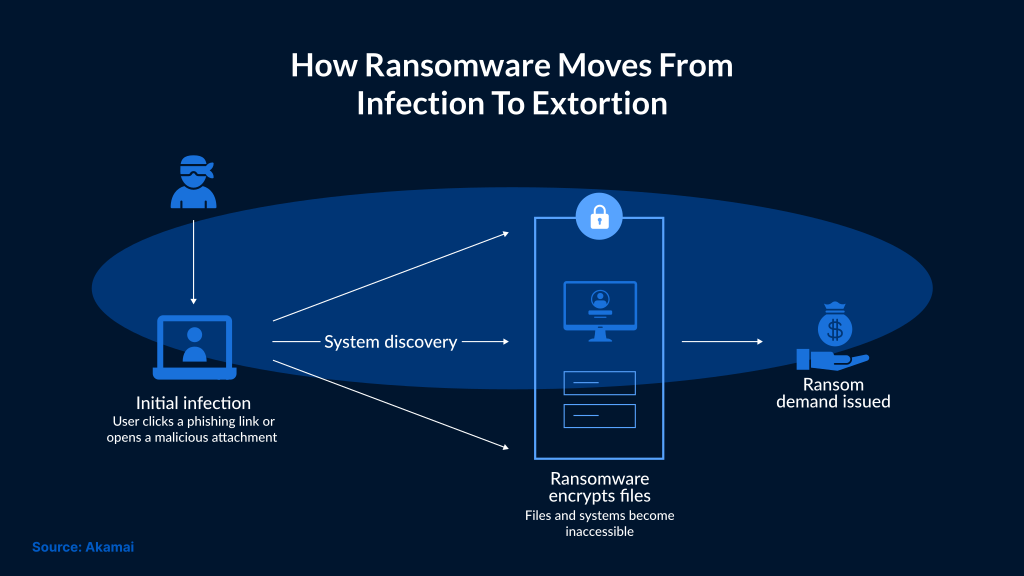
Then begins the process of collecting system information. Brain Cipher may use registry queries and system discovery commands to collect system information. Credential theft can also play a role, especially when attackers steal login details or web session cookies from browsers and files. Attackers then use those stolen credentials to move laterally or access sensitive information.
In the final stage, the ransomware encrypts sensitive data, making it inaccessible without clean backups or a valid decryption method. The attack on Indonesia’s National Data Center shows how ransomware can disrupt critical operations.
How to Defend Against Brain Cipher Ransomware
Businesses can use a layered security approach to reduce the risk of Brain Cipher ransomware and similar threats. That approach includes:
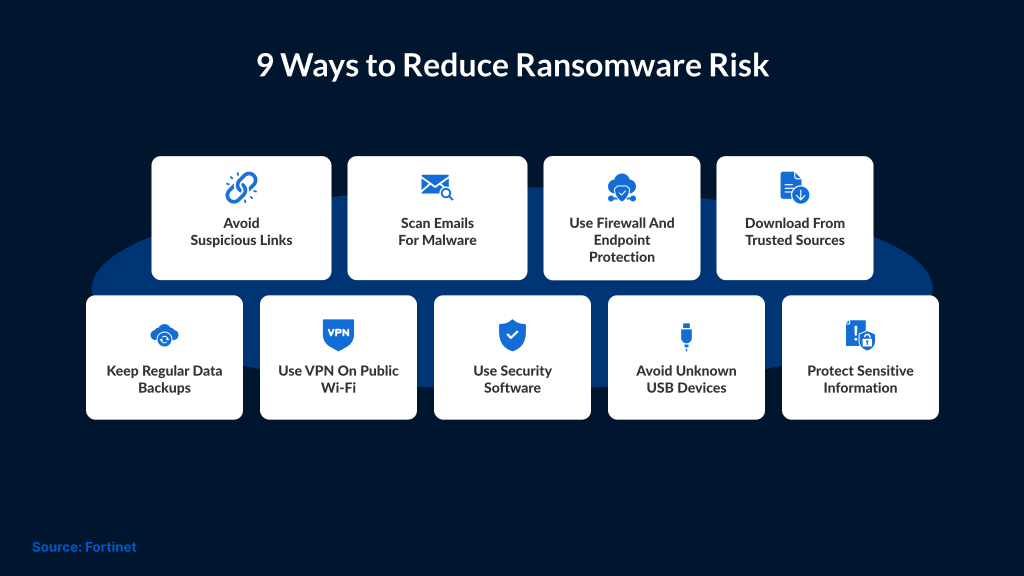
Email Security: Implement strong security controls to detect and block phishing attempts. Ensure employees receive proper training to identify phishing emails, suspicious links, and attachments.
Endpoint Security: Use endpoint protection and EDR tools to detect malware, stop suspicious activity, and support faster investigation.
Network Segmentation: Keep critical systems and data separate from the rest of the network to prevent ransomware from spreading.
Backup and Recovery: Keep regular backups of all the important data. Make sure to store the backups in a secure, offline location.
Incident Response Planning: Keep incident response plans up to date so the team can respond quickly during a ransomware attack.
These steps can help businesses reduce the risk of ransomware like Brain Cipher. They can also support data protection and faster recovery during and after an attack.
Business Impact of Brain Cipher Ransomware
Brain Cipher can encrypt sensitive data and disrupt business operations. As this happens, day-to-day work slows down or stops completely. Teams may lose access to files, applications, or services they need every day.
The impact can worsen in the absence of clean backups, as recovery would take longer. Organizations can also face longer downtime, pressure to pay a ransom, and reputational damage. There could also be legal issues if attackers gain access to customers’ sensitive data.
Conclusion
Brain Cipher ransomware is a serious threat that can disrupt business operations, encrypt critical data, and create financial pressure through extortion. Its reported link to LockBit 3.0-based ransomware activity shows how leaked ransomware tooling can continue to pose a risk to organizations.
To reduce ransomware risk, organizations need to maintain regularly tested backups and train employees to identify and report suspicious activity. In addition, they should strengthen endpoint protection and monitor suspicious activity. Organizations should also keep an incident response plan ready for ransomware incidents.
SafeAeon can help businesses improve their ransomware defense with 24x7 monitoring, threat detection, and response support for Brain Cipher ransomware and other emerging threats.