A well-established real estate company thrived in New York, USA, for over two decades. It prided itself on having five successful offices across the city and a team of 500+ agents. However, one incident disrupted operations when the senior property manager was targeted in a spear-phishing attack, resulting in a ransomware incident that affected multiple teams.

The Vulnerable Target:
The property manager relied heavily on email communications to negotiate lease terms with owners and new tenants. He routinely shared agreement copies with the company's Finance and Legal departments via email.

Initial Compromise:
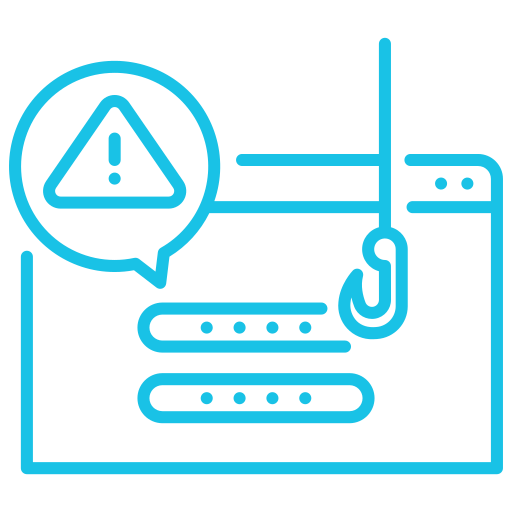
On an ordinary day, the property manager received a sophisticated phishing email that appeared to come from a senior IT administrator, instructing him to click a link to reset his password. Believing the email was legitimate, the property manager followed the instructions without realizing the malicious intent.
Attack Execution:
Unbeknownst to the property manager, he had fallen victim to a carefully orchestrated phishing attack. The malicious link captured his login credentials and deployed malware on his device. Attackers then used the compromised email account to send malicious internal messages and gain broader network access. From there, ransomware spread to members of the Finance and Legal teams.
The Breach Unleashed:
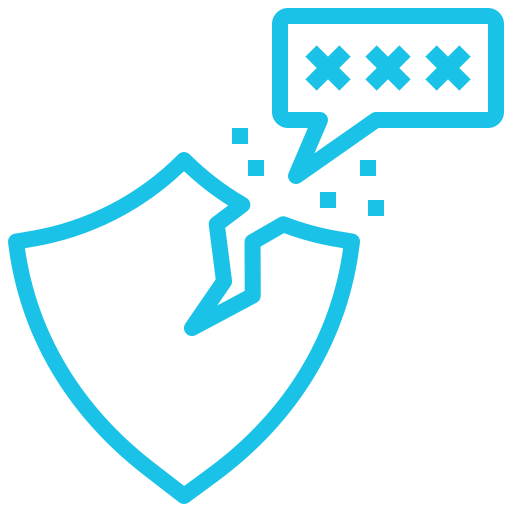
Within hours, multiple employees reported file access issues, and a message appeared on the screen demanding payment in Bitcoin. The IT department confirmed a ransomware attack, and operations were disrupted as attackers demanded payment.

The Aftermath:
The real estate firm faced significant operational disruption: the legal team struggled to track tenant lease renewals, and the finance team was unable to issue invoices efficiently. The attack even compromised sensitive PII and employee records held by HR.

Business Impact:
The firm's IT team acknowledged the limitations of its internal security capabilities and realized the need for robust security controls. However, the cost of hiring in-house cybersecurity professionals was daunting, prompting the firm to outsource forensic analysis and security improvements.

Remediation Actions:
SafeAeon conducted a root cause analysis, identifying the spear-phishing email as the cause of the breach. The team then implemented email security monitoring, 24x7 MEDR monitoring, and phishing awareness programs. The following security measures were taken:
- • Regular employee awareness training to inform them of the latest cyber threats
- • Role-based access control to restrict access to critical data
- • Applied Zero Trust access controls and strengthened email filtering before messages reached user inboxes
- • Regular backup of critical data to the cloud

The Lesson:
The ransomware incident highlighted the importance of Zero Trust principles, continuous monitoring, and employee awareness in reducing business risk. After remediation, the firm improved its overall security posture and response readiness.
Call to Action:
Protect your business with SafeAeon’s 24x7 managed security services. Improve response times, reduce risk, strengthen resilience, and better defend against evolving cyber threats.