

Key Takeaways
- The National Institute of Standards and Technology (NIST) adds over 2,000 new security vulnerabilities to the National Vulnerability Database every month. (IBM)
- Over 80% of codebases in 2024 contained at least one known open-source vulnerability.
- More than 40,000 CVEs were published in 2024, representing an increase of 38% from 2023. (Cyberpress)
Introduction
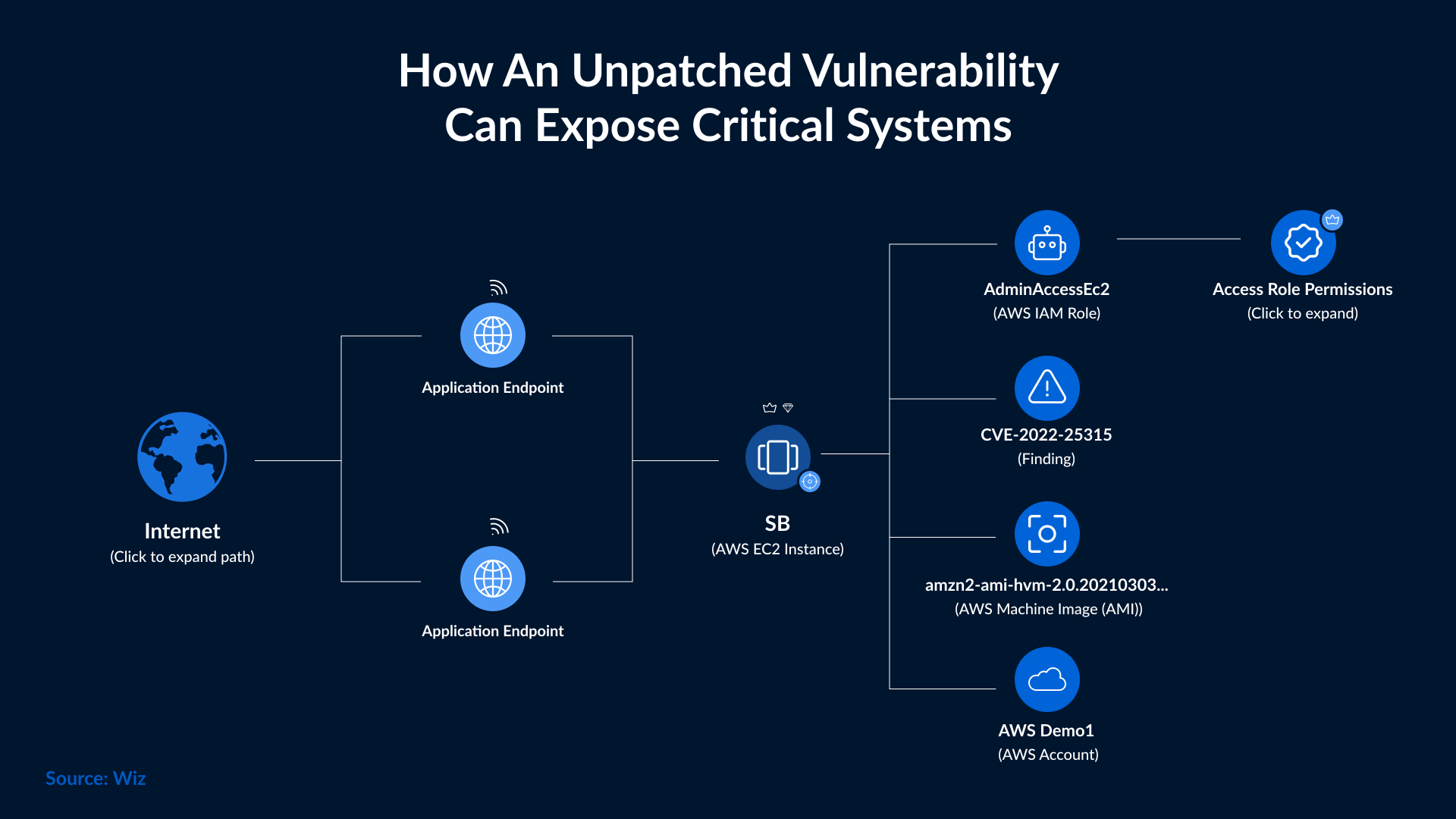
Do you know what’s common between downtime, data leaks, and compliance-related penalties? An issue known as an unpatched vulnerability. Tracking and managing system weaknesses is no longer a one-time task. It’s a full-time responsibility now because of the rise of cloud, IoT, and remote endpoints. To stay ahead of potential breaches, follow a continuous and methodical approach known as the vulnerability management lifecycle.
What is Vulnerability Management Lifecycle?
Vulnerability Management Lifecycle is a method used by organizations to identify, assess, classify, and address flaws within their IT infrastructure. It’s a recurring process that helps improve the safety of devices and data of an organization. With the rising frequency of cyberattacks, IT teams are opting for this strategy to minimize potential threats to their networks and valuable data.
Why Vulnerability Management Lifecycle Matters
Vulnerability means weakness. If an organization has security weaknesses in its hardware, software, or cloud platforms, then those need to be fixed according to their risk level. This is where the vulnerability management lifecycle plays a crucial role. It helps create a structure that organizations can follow to plan, detect, and fix vulnerabilities in multiple platforms.
If there are delays in the remediation process, attackers may exploit those vulnerabilities to gain unauthorized access to the system and disrupt services, potentially causing data breaches. Attackers target vulnerabilities in hardware, software, cloud platforms, and even network misconfigurations. Organizations should adopt proactive vulnerability management to ensure long-term security and growth.
Different Stages of Vulnerability Management Lifecycle
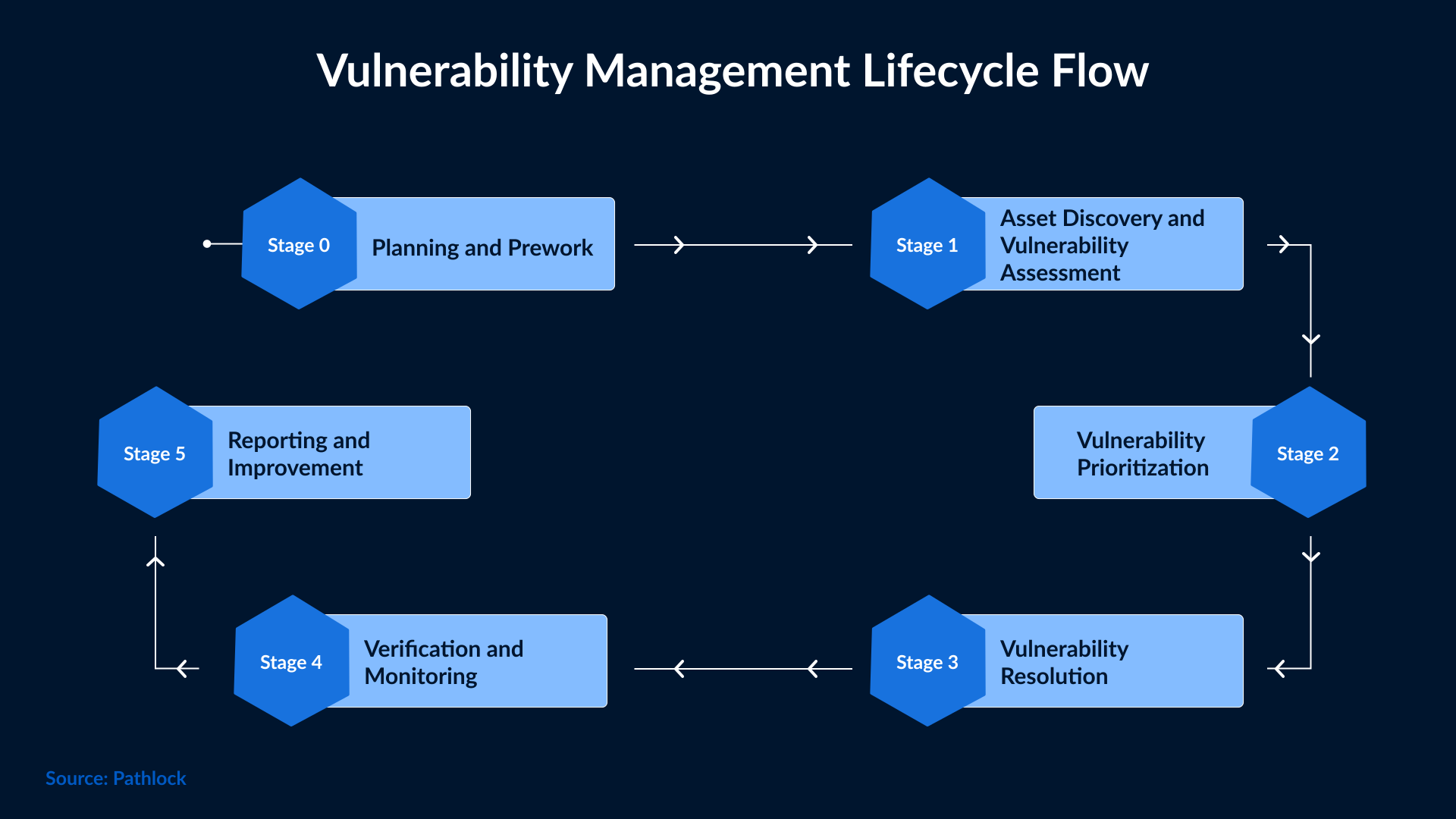
Stage 1: Planning and Asset Discovery
The first step in an effective vulnerability management lifecycle is proper planning. This involves an in-depth understanding of the organization’s IT environment. Security teams identify and classify all assets used across on-premises, cloud, and hybrid environments. Establishing a complete and up-to-date asset inventory helps define ownership and set scanning schedules. It allows organizations to create a security baseline for the entire infrastructure.
Stage 2: Vulnerability Assessment and Identification
Once the inventory is complete, the next task is to scan and identify potential vulnerabilities. This needs to be done on a regular basis because new flaws and CVEs continue to emerge. Security teams can use automated vulnerability assessment to detect and analyze vulnerabilities in real time by integrating data from scanners, threat intelligence feeds, and asset databases.
Stage 3: Prioritization and Risk Evaluation
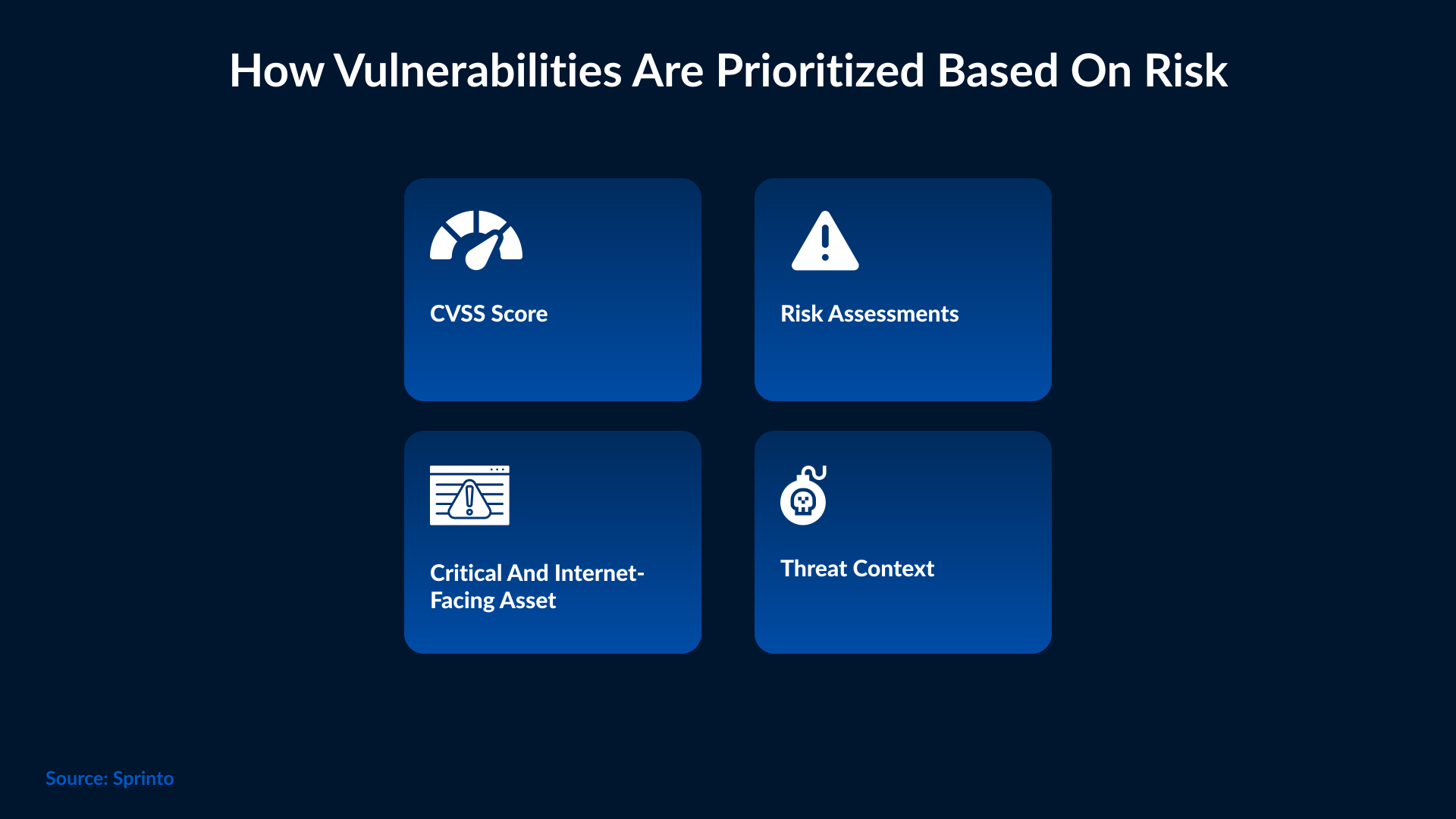
A typical scan will reveal thousands of vulnerabilities, but not all pose equal risk. Security teams must prioritize remediation based on exploitability, asset criticality, and potential business impact. They can analyze CVSS scores and real-world data to identify which assets require immediate attention.
Stage 4: Remediation, Mitigation, and Risk Acceptance
Once all the vulnerabilities have been prioritized, IT and security teams need to focus on remediating vulnerabilities to mitigate risks. The most common method is to apply patches or software updates. If a patch is unavailable, the team can reconfigure systems or deploy compensating controls. In some cases, organizations may formally accept certain low-risk vulnerabilities after analyzing their business impact and mitigation costs.
Stage 5: Verification, Monitoring, and Continuous Reassessment
Fixing vulnerabilities is not a one-time process. Teams should track the effectiveness of their remediation. It’s important to verify that past vulnerabilities no longer pose a risk. Continuous monitoring will help IT and security teams detect emerging threats and new CVEs that could reopen risk exposure.
Stage 6: Continuous Improvement and Reporting
Security leaders rely on real-time visibility to track vulnerability trends and overall risk posture. Detailed reports should highlight identified vulnerabilities, impact assessments, remediation steps, validation results, and compliance metrics. This information allows organizations to demonstrate regulatory compliance, measure program effectiveness, and improve their vulnerability management process over time.
Challenges Organizations Face in Vulnerability Management
Many organizations face challenges in maintaining an effective vulnerability management program even after having a well-defined process in place.
Asset Visibility: One of the biggest challenges is asset visibility. Teams often lack a complete view of all devices, third-party apps, and cloud workloads. Any hidden or shadow assets within the network can become entry points for attackers.
Patch Management Delays: This is another major challenge faced by organizations. Operational downtime concerns or a lack of coordination between IT and security teams can lead to missed or delayed patches. This delay increases the window of exposure, giving attackers more time to exploit known weaknesses.
Complex Tools & Shortage of Skills: These also pose a big challenge to organizations. Multiple scanners, dashboards, and reporting tools can overwhelm small security teams. Without automation or proper integration, data gets piled up, causing remediation to slow down.
These challenges can only be addressed when there is better collaboration between IT, security, and business teams. Automation and strong governance also play a crucial role in overcoming these challenges.
Emerging Trends and Best Practices in Vulnerability Management
As organizations adopt new systems, vulnerability management is growing and becoming advanced. The growing speed of threats has pushed teams to find smarter ways to detect and fix weaknesses.
A clear trend in the vulnerability management solutions is the rise of automation and coordinated response. Modern tools can detect flaws and begin remediation automatically. This helps teams respond faster.
Another focus for teams is risk-based vulnerability management (RBVM). In this, teams no longer try to fix every weakness. They assess the chances of exploitation and the importance of the affected system. Based on that assessment, they act on the highest risks first.
Organizations are also integrating DevSecOps, which allows security testing to run within the development process. This allows developers to correct issues before release. Early action leads to limited exposure.
And, as more workloads move to the cloud, visibility has become essential. Security platforms give a single view of assets across virtual and container environments. This allows teams to find and close gaps that otherwise would have stayed hidden.
Organizations should stick to continuous monitoring to keep the vulnerability data relevant. They should also carry out threat intelligence to identify new exposed areas in their IT environment and respond before attackers do.
Making these practices a regular part of security work keeps systems safer over time.
Conclusion
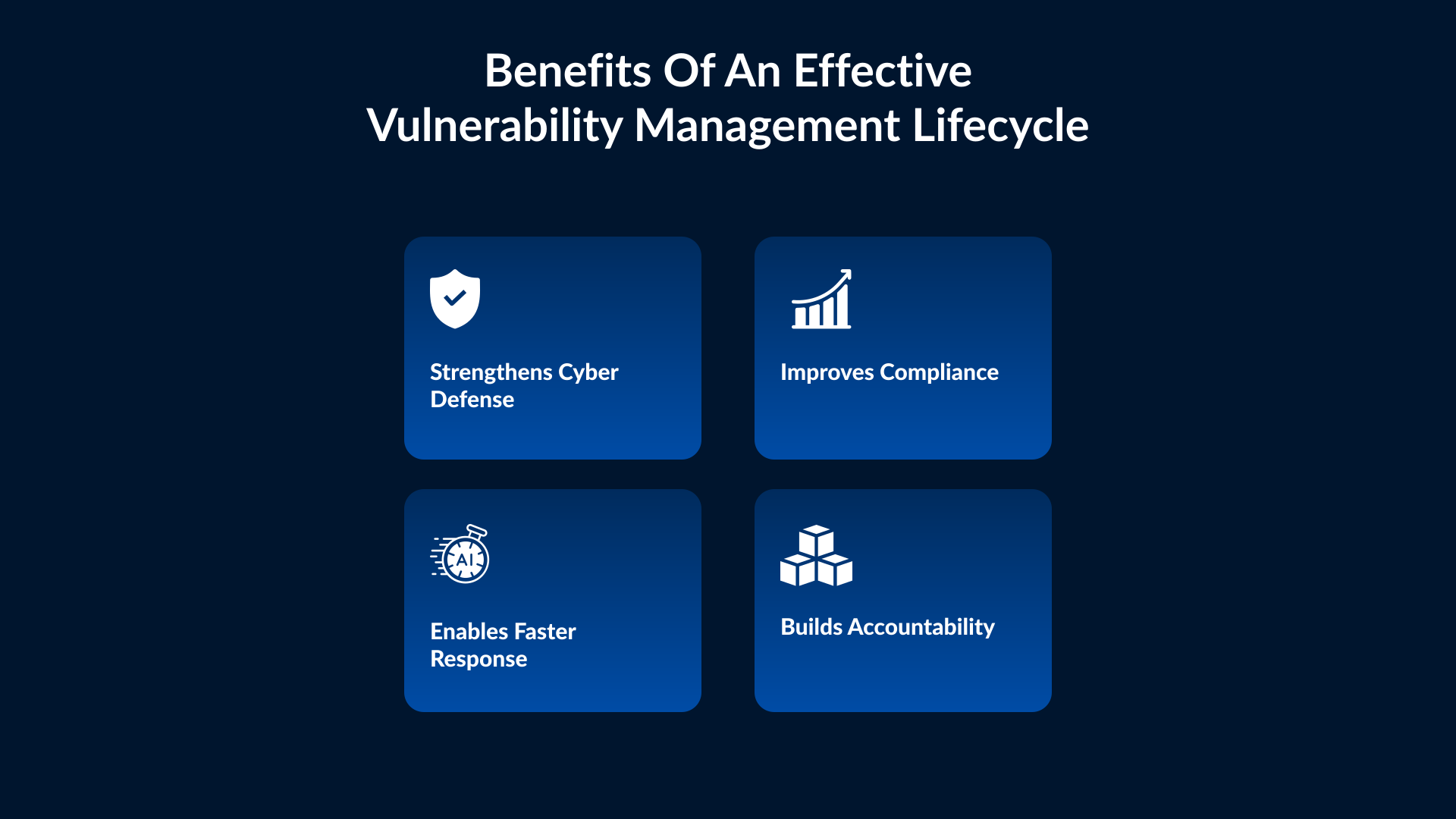
A well-defined vulnerability management lifecycle gives organizations clear path to detect and fix weaknesses before they cause damage. All six stages work together to keep systems secure and operational. When this process is followed consistently, organizations can reduce downtime and lower the risk of data exposure. It also supports compliance goals and builds accountability among security and IT teams. SafeAeon vulnerability management solutions help security teams stay prepared, lower risk, and keep business operations running without disruption.