

Key Takeaways
- Pegasus spyware emails are fear-based scams, not real infections. Attackers exploit the Pegasus name to trick victims into paying fake ransoms through scary messages.
- A phishing email takes around 16 hours to design manually, while AI can generate a more convincing one in just 5 minutes. (IBM DBIR 2025)
- According to Verizon DBIR 2025, the share of AI-generated malicious emails doubled, from 5% in 2024 to 10% in 2025, making scams faster and harder to spot.
Introduction
Among today's rising cyber threats, Pegasus spyware email has become one of the most famous names among the latest threats. Pegasus is a malware spy tool developed for extensive surveillance but has now been turned into the new wave of scams exerted by cybercriminals, especially through Pegasus spyware scam emails used to extort money from victims, claiming their devices had been hacked. According to Verizon’s 2025 DBIR, 44% of all the breaches showed the presence of ransomware in some or other way, marking a notable rise from last year’s report.
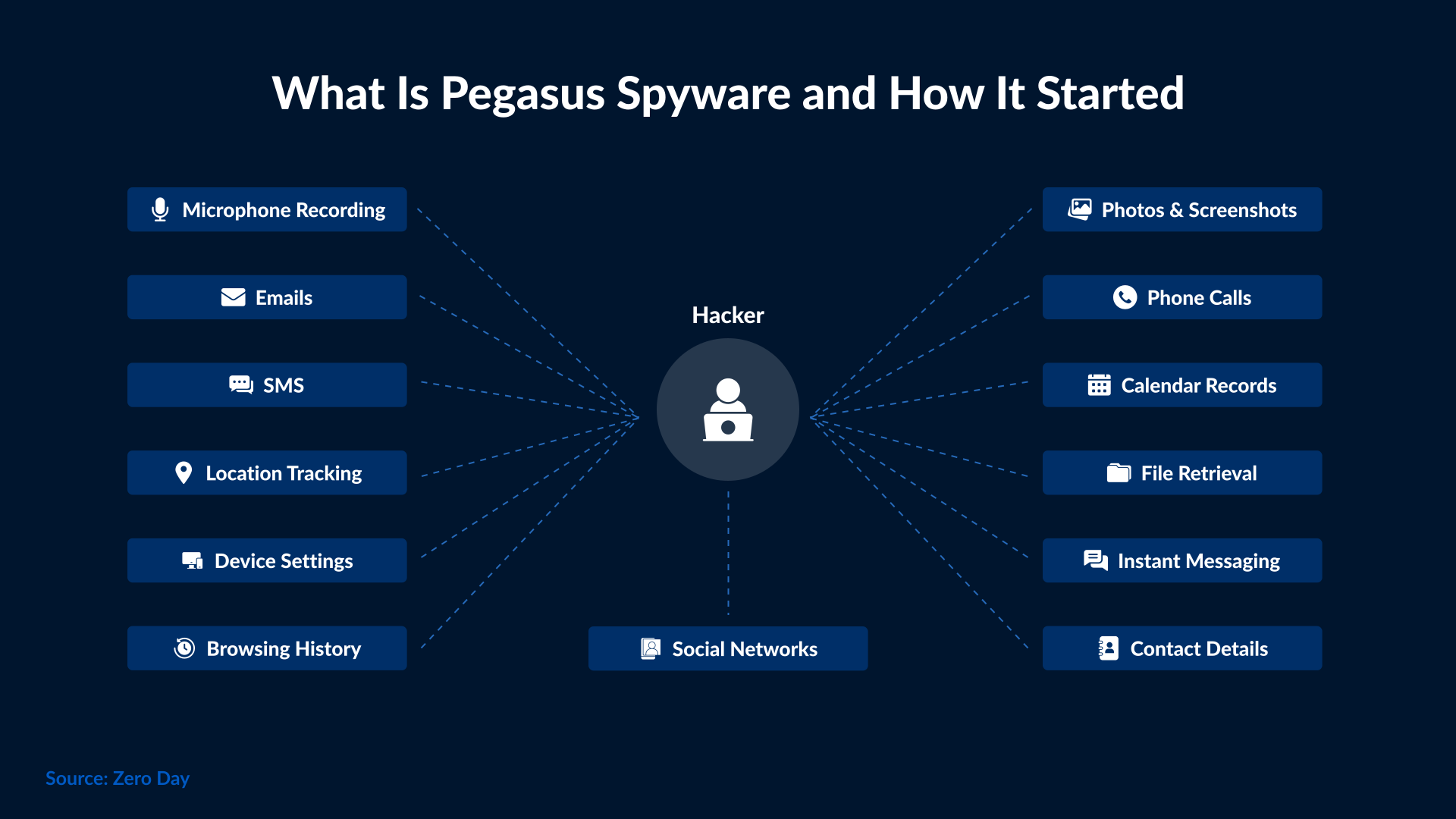
Pegasus spyware is a state-of-the-art espionage software created by the Israeli cyber intelligence firm NSO Group. Pegasus spyware was created to help security agencies monitor criminals, but it can secretly enter a phone and access its camera, microphone, messages, calls, and location. It can do all that without users having any idea about it. According to an article published in the BBC, over 600+ politicians, 189 journalists, and 85 human rights activists were identified as potential Pegasus targets, with more than 50,000 phone numbers linked to the spyware.
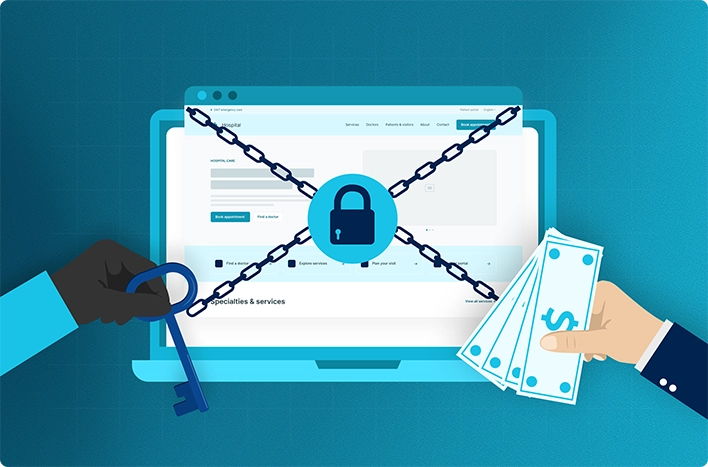
While actual infections with Pegasus spyware are a rare occurrence and highly targeted, the name and fear surrounding Pegasus have been exploited for launching a mass email campaign. These emails claim to inform users that their device has been infected with Pegasus spyware and threaten exposure of their private information unless a ransom is paid, mostly in cryptocurrencies.
The scam exploits fear, confusion, and the technical aura surrounding Pegasus spyware to manipulate its victims.
What Is Pegasus Spyware and How It Started
How the Pegasus Spyware Email Scam Works
Although the Pegasus spyware scam email usually contains certain characteristics that induce pressure and deception, they include:
- Spoofed sender address: Such that the email may well seem to be coming from your own email or one of the trusted contacts.
- Urgent and threatening delivery: The message informs you that your device is infected and demands immediate payment, usually within 48 hours.
- Payment in cryptocurrency: Ransoms are also demanded in either Bitcoin or other cryptocurrencies to make it very hard to trace the transactions.
- Vague threats: These talks of videos, access via webcam, or messages without even going into any specifics.
- No proof whatsoever: Despite these threats, the email fails to present any screenshot, video, or proof of the so-called infection.
These tactics can make the Pegasus spyware scam email very convincing, but it is indeed a scam.
Common Traits of Pegasus Scam Emails
It capitalizes heavily on fear and urgency to persuade victims to pay. The introduction of Pegasus spyware has given it an enhanced credibility factor. Besides, very few people have any idea of how spyware works, and those who know lose their wits by reading technical jargon and intimidating language.
Scammers impersonating themselves by emailing with very strict deadlines are expected to create pressure under which rushed, even illogical decisions will be made. Bulk sending such messages usually requires just a fraction of recipients to fall for the bait; it is enough 'business' for them.
Example of a Real Pegasus Spyware Scam
Subject:“Your device is hacked with Pegasus spyware”
Body Sample
“We recorded you via your webcam. Pay $1,000 in Bitcoin in the next 48 hours, or we will share everything with your contacts. This is not a joke.”
These messages often include:
- Your email as the spoofed sender
- Poor grammar and vague threats
- Urgent payment demands
- Zero proof of infection
- Bitcoin wallet links
Warning: These are all classic signs of a Pegasus spyware scam email.
How to Detect and Identify Scam Emails
The distinguishing line between a real spyware infection and a scam email is quite often a fine one.
Here are pointers on how to identify a Pegasus spyware scam email and how to perform Pegasus spyware detection on your device:
1. Check the email structure and the sender
- If the email shows your own address as the sender, it is likely a case of spoofing.
- Email headers (if you're tech-savvy) can be examined to check for SPF, DKIM, or DMARC validation failures.
- Scam emails generally lack personalization — they usually do not mention your name, type of device, or specific files.
2. Look for Lack of Evidence
- Real spyware alerts would include specific details or technical proof.
- Scam emails usually make vague claims without any actual screenshots or video proof.
3. Grammar and Spelling Mistakes
- Many scam emails contain noticeable errors in grammar, punctuation, and spelling.
4. Adopt Authentic Spyware Detection Tools
- Scan your complete device by using trusted antivirus or anti-spyware tools.
- Keep the security tools updated and do recurring scanning to observe real infections.
5. Look for Other Disguises
- Pop-ups appear that are not expected, or some applications that shouldn't be there.
- Sudden drain of battery or increased data consumption.
- The phone suddenly burns without frequent usage.
According to the IBM Cost of a Data Breach Report 2025, the global average cost of data breach has come down to $4.4 million, a 9% decrease over the last year. This is due to the faster identification and containment of threats.
How to Respond and Stay Safe
Pegasus spyware email scams can be alarming; however, calmness and following these steps will safeguard you:
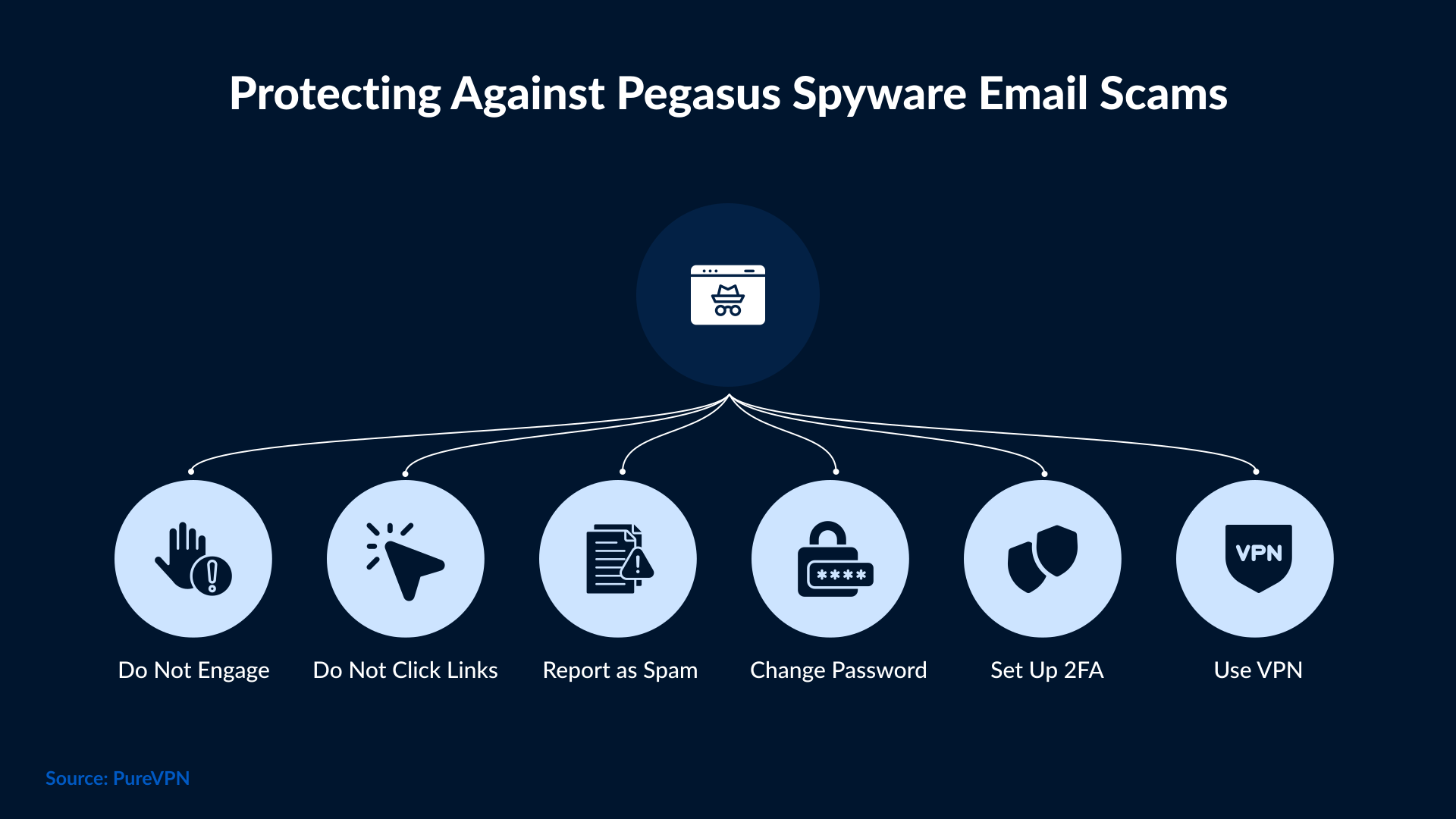
- Step 1: Do Not Panic: This scam is sent to many people. More than likely, your data is safe.
- Step 2: Do Not Reply or Pay: Do not reply or pay anything. Replying will confirm your email is live and most likely result in more spam.
- Step 3: Spam or Phishing Mark: Report the email by using spam or phishing reporting tools your email provider has in place to improve filtering.
- Step 4: Change Passwords: As soon as you identify an email with a password you use, change passwords on all your accounts and enable two-factor authentication, if possible.
- Step 5: Scan Your Device: By now, your device would have been scanned entirely during the updating of your antivirus and anti-spyware tool. You saw that no actual infections were found.
Protective Measures Against Spyware Scams
Being watchful and maintaining good security habits are key to avoiding spyware infections and scams.
1. Stay Aware and Updated: Always keep yourself updated about new scams, such as Pegasus spyware scam emails, and keep your friends and family educated too.
2. Have Good Security Software: Install and keep trusted antivirus and anti-malware programs running on all your devices.
3. Update Your Devices: Update your operating system and applications whenever an update comes out to fix security vulnerabilities.
4. Strengthen Email Security
- Have strong and separate passwords for each of your email accounts.
- Enable two-step authentication wherever it is possible.
- Use email service providers with good spam and phishing filters.
5. Use VPN on Public Wi-Fi
VPNs should always be used when connecting to public Wi-Fi networks.
Pegasus spyware email threats could easily compromise business information. Some extra precautionary measures that can be imposed include the following:
- Regular ongoing employee education regarding recognizing Pegasus spyware scam emails and phishing attempts.
- Enlist advanced email filtering and firewall solutions to block scams from reaching the inbox in the first place.
- Establish and communicate an effective incident response plan for any suspected phishing or spyware incidents.
Pegasus Spyware Myths vs Facts
Before we go further, we must stress that most of the advertisements concerning Pegasus spyware may sound scary, which it is. But if you know about it, you can prevent the threat.
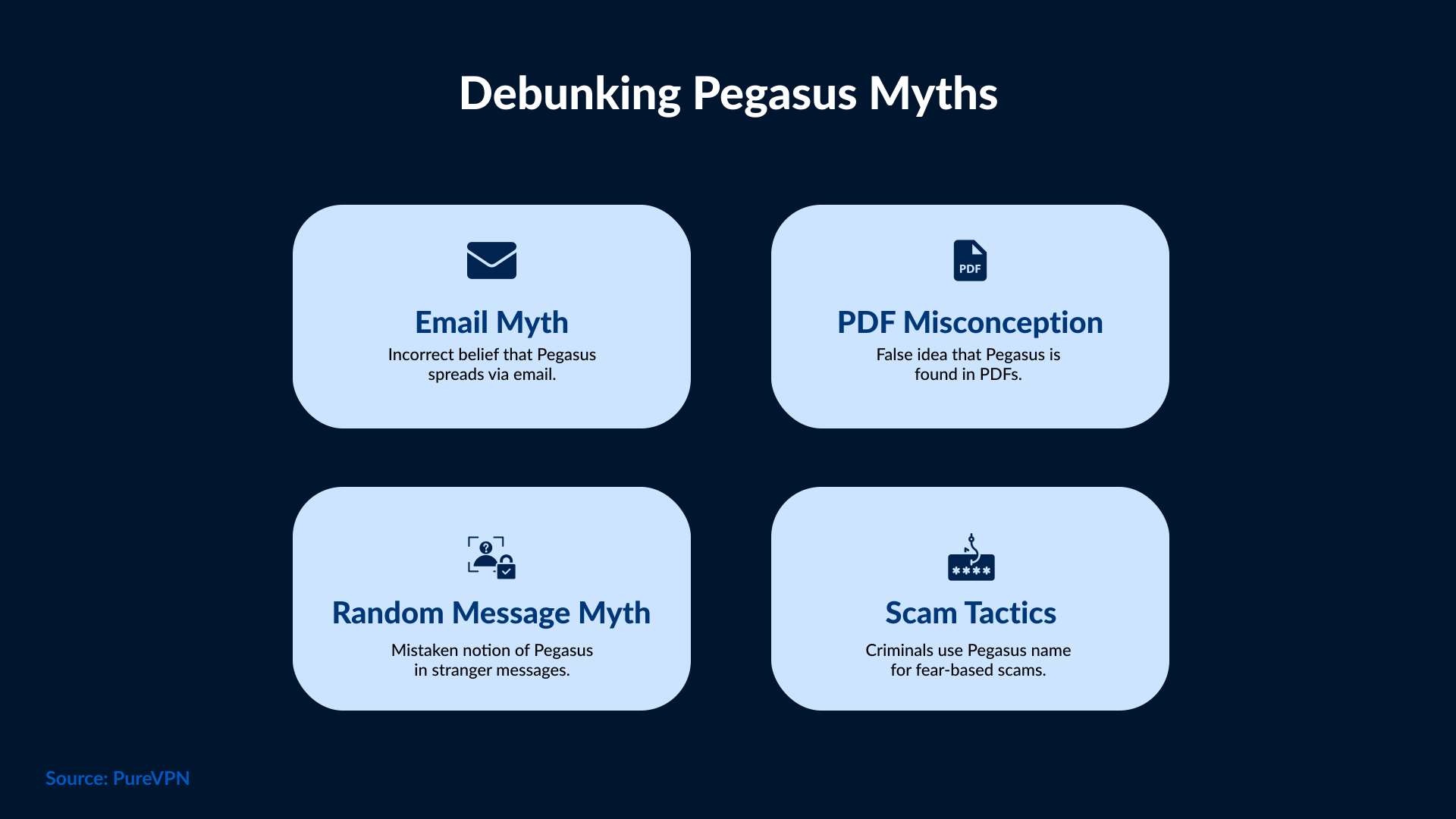
Myth: “If I get an email saying I'm infected with Pegasus spyware, I'm infected.”
Fact: Infection would require you to click on something; these emails are frauds and just scams.
Myth: “They hacked my webcam and recorded me.”
Fact: This is just a psychological trick by the scammers, with no backing evidence.
Myth: “If I don't pay the ransom, they will expose me.”
Fact: Paying the ransom only encourages them to continue scamming; it gives you no guarantee of protection.
Choosing the Right Cloud Migration Consulting Partner
Selecting the right partner is as important as the migration strategy. You should look at their expertise in AWS, Azure, or Google Cloud. Apart from that, you must check if they offer end-to-end integration services and post-migration support. They shouldn’t just move your workloads but help your business grow securely in the cloud.
Conclusion
Stay Calm; Do Not Let the Scams Using Pegasus Spyware Email Sway You
Currently, Pegasus spyware scam emails are the cutting edge of the arsenal of hackers that prey on fear and misinformation. If someone is adequately informed and possesses the requisite knowledge and security practices, they stand a good chance of not falling into their clutches.
Important points to remember:
- Do not entertain and respond to any threatening emails alleging contamination of your device with Pegasus spyware.
- Use trusted tools to ensure a semblance of peace of mind regarding the scanning for Pegasus spyware.
- Keep your devices as well as security software up to date.
- Spread the word on these scams to your peers.
This way, you will take back control of your life online and put the scams in their place.