

Key Takeaways
- In the U.S., losses from text message scams alone reached approximately $470 million in 2024. (FTC)
- Incidents related to vishing have increased by 442% between early and late 2024. (IBM)
- Adults aged 60 and older reported more than $4.8 billion in total fraud losses in the U.S., and phone scams were among the leading causes of these incidents.
Introduction
Did you know that simple possession of your cell phone number could lead to lots of trouble? Phone scams are a means to an illegal end for hackers who are growing in numbers. Being careless with your cell phone number can lead to problems such as getting trapped in a phishing scam's net and account access by someone who is not welcome. As per the Federal Trade Commission (FTC), there were more than 2.4 million phone fraud cases in 2023. Therefore, it is very important to protect your phone number.
How Much is Your Number Worth to Hackers?
Well, much more than you think. They can pose as you with your friends, change your passwords to get into your internet thingies, or they can fool you so that you unknowingly reveal sensitive info. Apart from that, your finances may also face a threat to security if the criminals get your mobile number and use it to access your personal information. Not only is your phone number used as a means of communication, but it is also often linked with your e-banking, social media accounts, and financial applications.
Slick scammers can be totally reliable while asking you for verification codes or any other private details, but they are actually fraudulent. Since they may post your phone number on the dark web to be found or use it to incorrectly register you for paid services, you can be certain that scammers will always be after you.
To keep yourself safe, do the following:
- Enable two-factor authentication for each of your accounts.
- Your phone number should not be accessible publicly, and never share your number on suspicious websites.
- Always mind unusual behavior and try blocking calls that look suspicious.
- By doing this, you can reduce the chances of phone scammers taking advantage of you. You should be careful today and put your guard up against these phone scammers because all it takes is a single mistake and you could be dealt with serious consequences.
How to Identify and Safeguard Your Number Against Mobile Scams?
It is vital to be aware of phone scams, which is why we safeguard our mobile phones at all costs. Scammers are cunning and figure out new ways each time they get an ounce of vulnerability from anyone. Some scams are not easily identifiable, which is why you have to keep track of emerging threats. Once your accounts are compromised, it can be tough and time-consuming to regain access. Everyone possesses a phone number, and knowing how hackers can exploit it aids the cause of staying safe.
What Are Scams on the Phone?
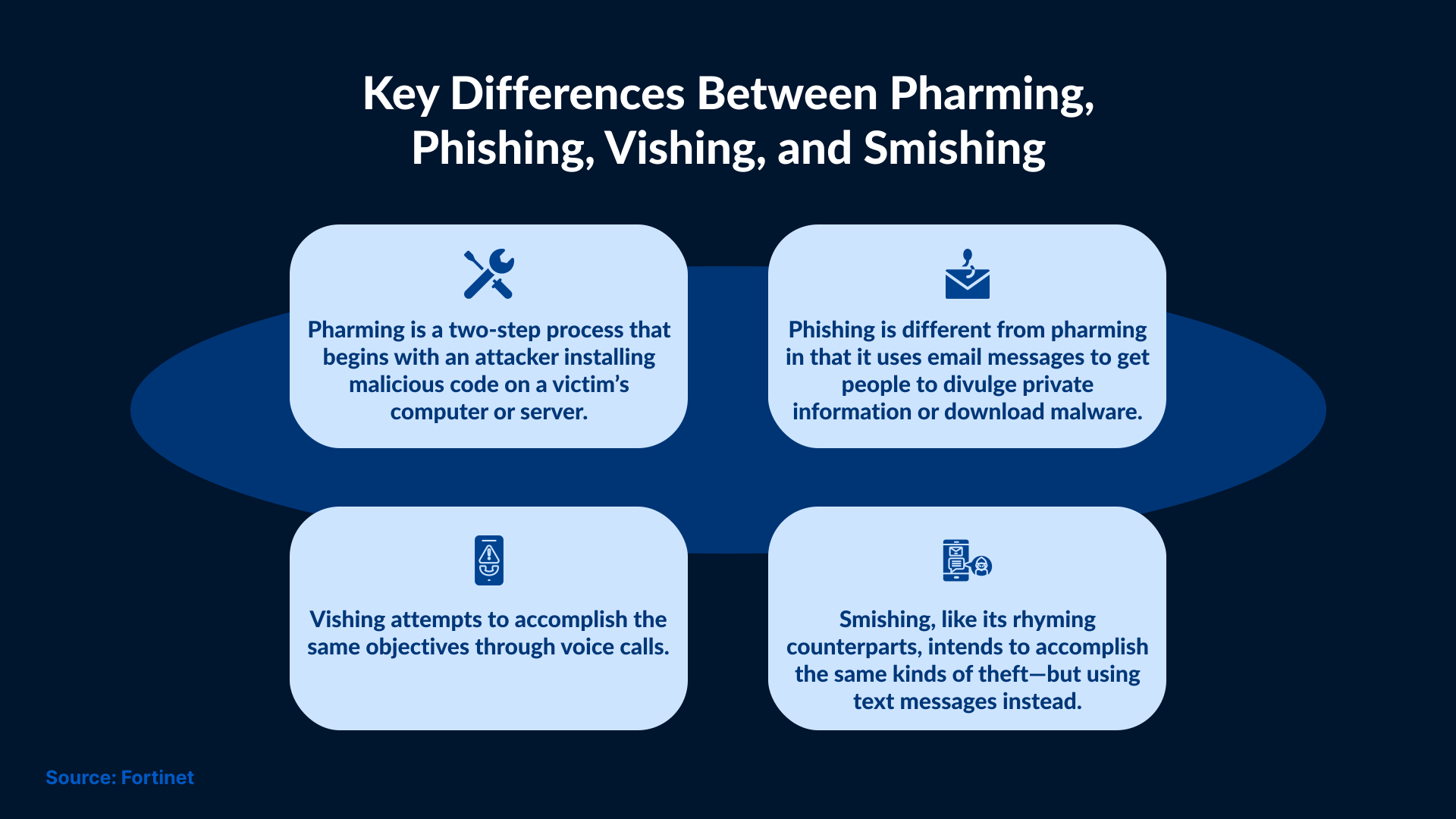
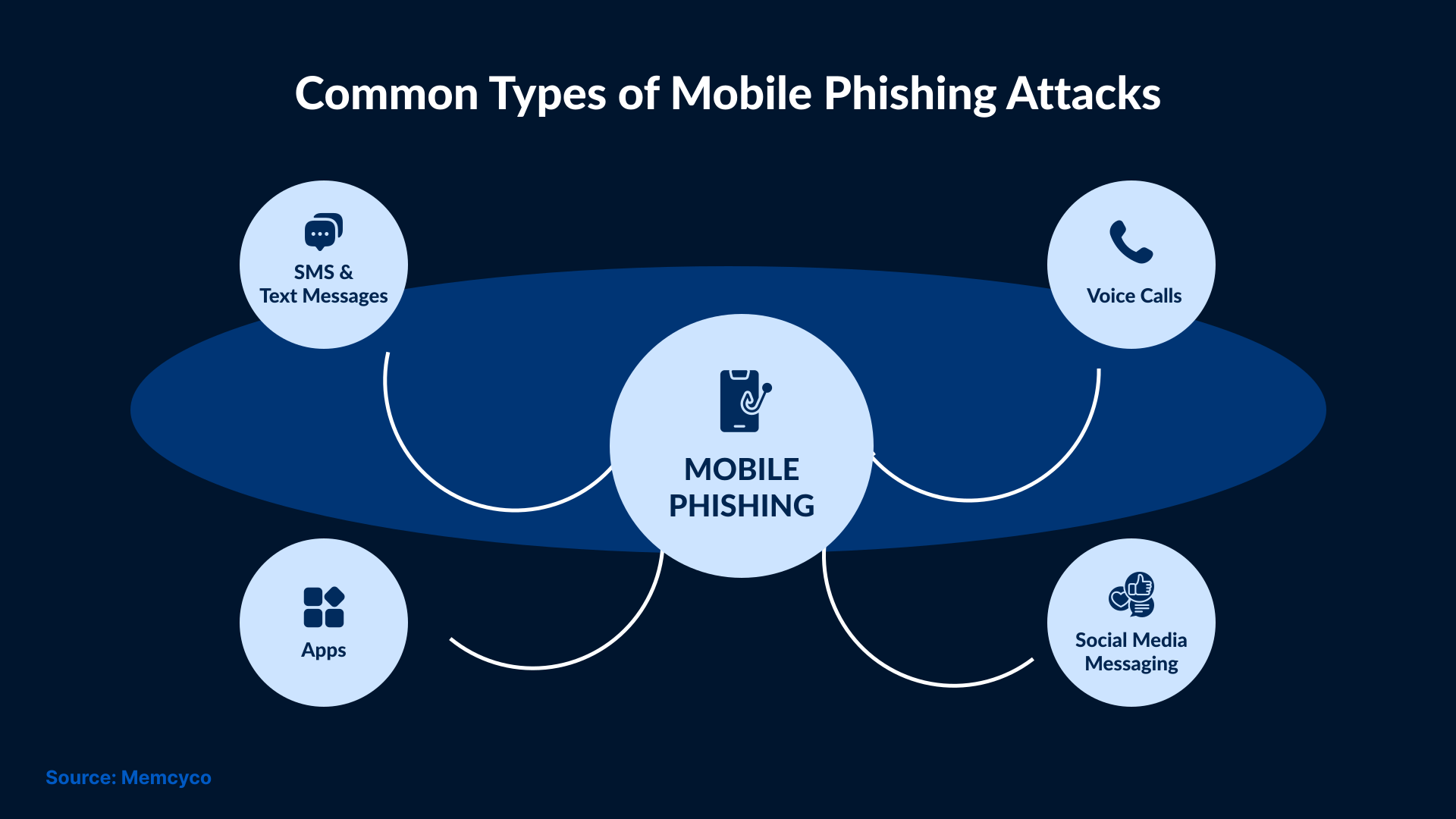
Your mobile number is often linked to vital information like your email and bank accounts, so it's not just for conversations. Phone numbers are targeted by cybercriminals because they provide them with access to a wealth of personal data. It's possible for scammers to fool you into divulging personal information. This may result in financial fraud, identity theft, or malware infecting your device. Scams employing mobile phone viruses are among the most prevalent types of mobile phone fraud. Scams, including one ring, voice phishing, and SMS phishing.
What Are Scams Using Mobile Phone Viruses?
Mobile phone virus scams display phony notifications claiming that your phone is infected. You may get a pop-up notification when browsing that requests that you download an anti-virus program. However, the program is often spyware or malware masquerading as legitimate applications. This malicious malware may take over your phone, monitor your activities, and spread to other devices after it has been installed. Always use reliable security applications on your phone to be safe from scammers. Apps from unidentified sources should not be downloaded, and unexpected virus notifications should not be trusted.
What is Vishing on a Phone?
- Just visiting questionable sites, or even installing certain software, can easily do the trick.
- An example: phishing done via a phone conversation is called vishing, where an attacker tries to convince their target with deceitful intentions with the goal of achieving immediate action.
- Some scammers can impersonate well-known businesses, for example, by donating to charities and government bodies, to gain your trust.
- The con artists can trick their victims by coercively stating that they have an outstanding debt or pressuring them to confirm their other personal identifiable information.
- In order to avert cons, it is important to retain knowledge of the dangers that the person may be targeted by.
How Can Scammers Exploit Your Phone Number?
Your mobile number may provide access to your personal data in addition to being a means of communication. It is used by scammers to deceive, steal, and get personal information. Being aware of techniques like one-ring scams and SMS phishing will help you remain vigilant and protect your phone number.
What is Phishing via SMS?
Phishing via SMS, often known as "smishing," is when con artists attempt to trick you into doing an action by sending you a text message. Adware, which may damage your device by installing malware or other harmful software when you click on links in these messages, is often present. Not every smishing attack has linkages. You might be tricked by scammers into providing personal information, phoning pricey phone numbers, or enrolling in phony services. They may attempt to steal your identity, take over your accounts, or embezzle your money if they manage to get your mobile phone.
What Do One-Ring Scams Involve?
When an unknown number calls you once and then hangs up, it's known as a one-ring scam. Getting you to call back because you're interested is the aim. Should you fall for the ruse, the con artist profits by charging exorbitant fees, often associated with foreign phone numbers. Voicemails are often sent by fraudsters to increase the likelihood that you would return their call. High costs may result from these calls, which attempt to exploit your interest. When unexpected or unknown numbers contact or message you, exercise caution.
How Personal Data is Stolen by Mobile Scams
- There are numerous methods that cons resort to in order to obtain personal data connected with a mobile number.
- Scammers could be using tactics such as impersonating people from reputable institutions like banks or even government agencies. By doing so, they can easily threaten you or just about induce the feeling of panic in you.
- Small donation appeals are emotionally charged and are extremely common. Some scams even include offering incentives like vacation discounts or lottery winnings as bait.
- Criminals regularly attempt to acquire your telephone number and solicit sensitive personal information, including social security numbers, or even bank details.
- Gift cards, along with cash, are generally the preferred method of payment.
Ways of Preventing Mobile Phone Fraud
Make yourself aware by paying attention to possible warning signs of a scam. Pause before responding to urgent or emotional messages. Take a moment to fact-check. To reduce mobile fraud risk, avoid putting your phone number on public websites. Do not click on suspicious links or install apps from unknown sources. Use basic security measures, such as two-factor authentication and reputable mobile security software. There are incredible ways to reduce your exposure to scammers. Always stay alert to lower your exposure to scammers and help protect more of your personal information.
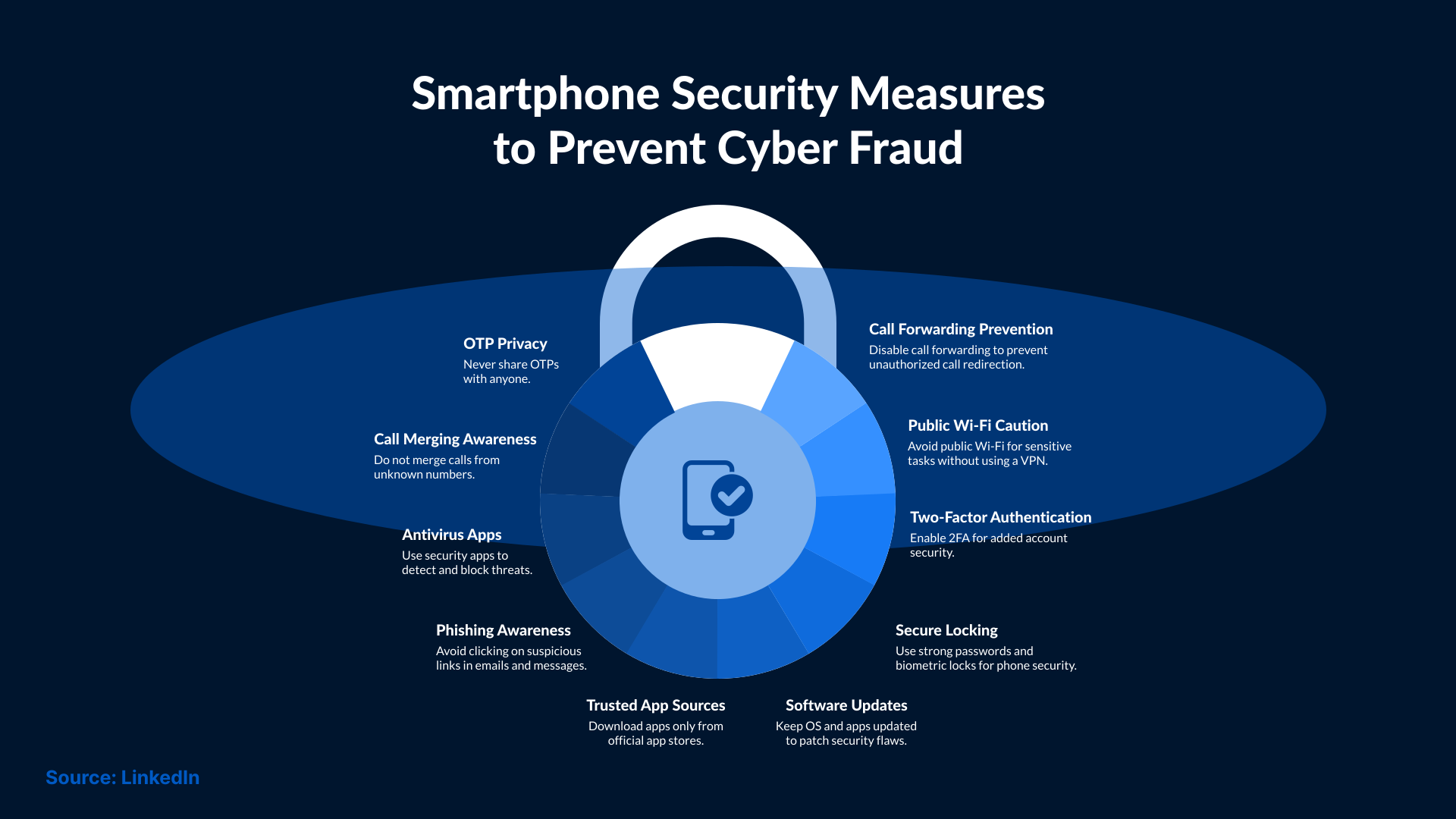
Tip for Preventing Cell Phone Scams: Avoid Disclosing Private Information
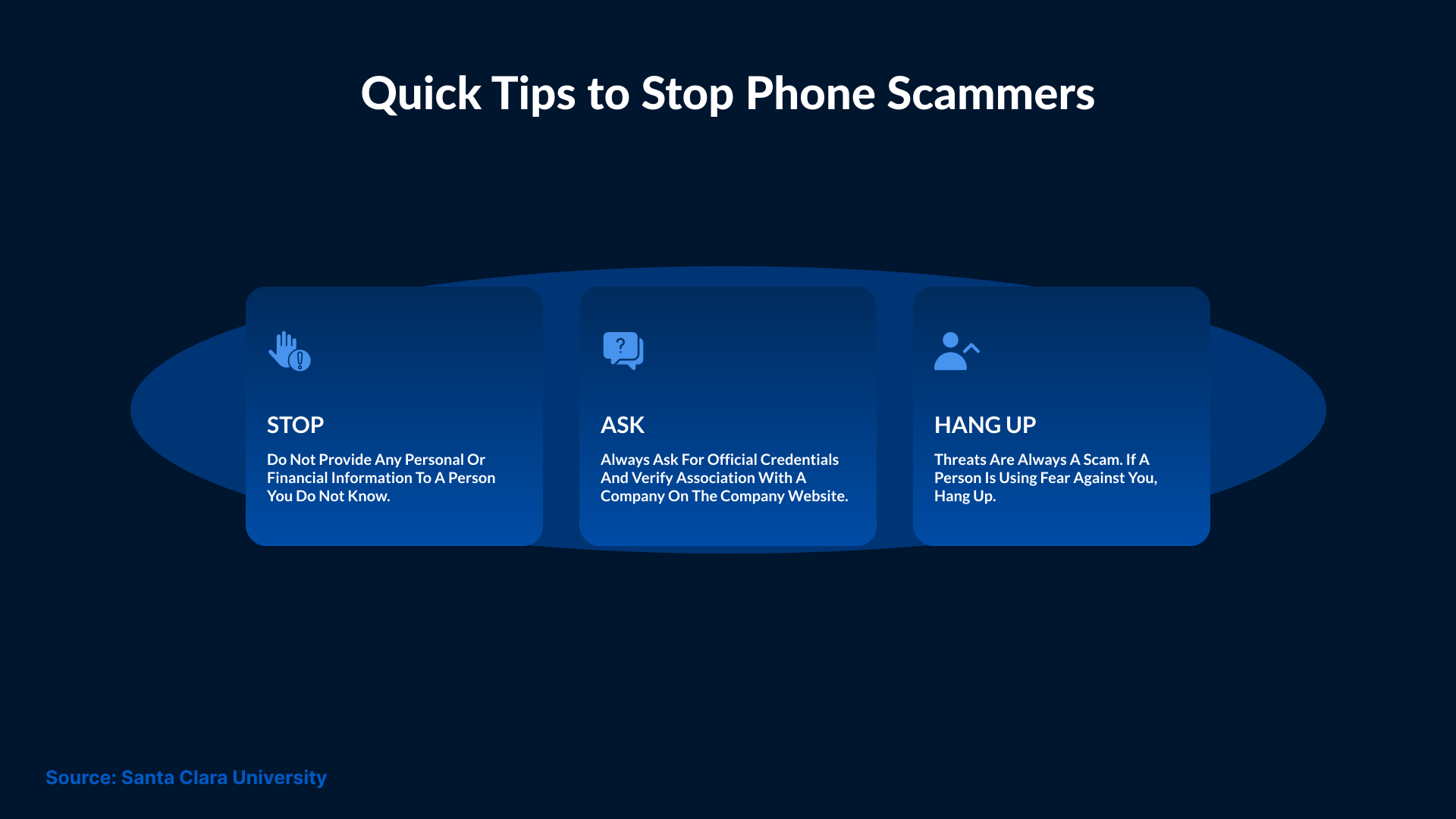
Passwords and bank details should never be shared over the phone with unknown callers. Treat any unexpected request for sensitive information as suspicious.
Be careful when replying to messages. Ignore texts or calls that ask you to click a strange link or confirm personal data. When in doubt, contact the company directly using a trusted number from their website or your official documents.
Make Use of Security Features
Identifying scammers is important, but strengthening your overall security is just as critical. To keep yourself safer, follow these practical steps:
1. Create strong passwords: Do not use a single password for every account. Use long passwords that are hard to guess. Include symbols and numbers. Mix uppercase letters with lowercase letters. If you prefer a phrase, change some letters to digits or symbols. A strong password becomes your first line of defense.
Store passwords safely: Avoid writing passwords on paper or saving them in plain text on your phone. Use a reputable password manager to store them securely. This type of tool protects your credentials with one strong master password and makes it easier to use unique passwords everywhere.
Be skeptical of offers that ask for money: Watch out for “congratulations, you won” messages that ask for a fee or deposit. Genuine rewards do not require payment to release the prize. If someone asks for money to process a gift, treat it as a scam and walk away.
Use longer and stronger PINs: For your phone’s lock screen, use a longer PIN instead of a simple 4-digit code. A 6-digit PIN or longer makes brute-force attacks harder. Avoid obvious choices such as “123456” or “000000”. Do not use your date of birth or any other easy-to-guess detail.
Conclusion
As phone scams become more advanced, it is important to understand how attackers can exploit your phone number. A single mistake can lead to account takeovers, impersonation attempts, or financial loss.
Simple habits can reduce this risk. Enable two-step verification wherever possible. Limit where you share your phone number. Slow down before reacting to urgent messages or calls that create panic.
With a few consistent precautions, you can significantly lower your chances of falling for mobile scams. If you want stronger and more structured protection, SafeAeon can help with tailored security solutions. Start protecting your phone number now and improve your overall security posture.