

Key Takeaways
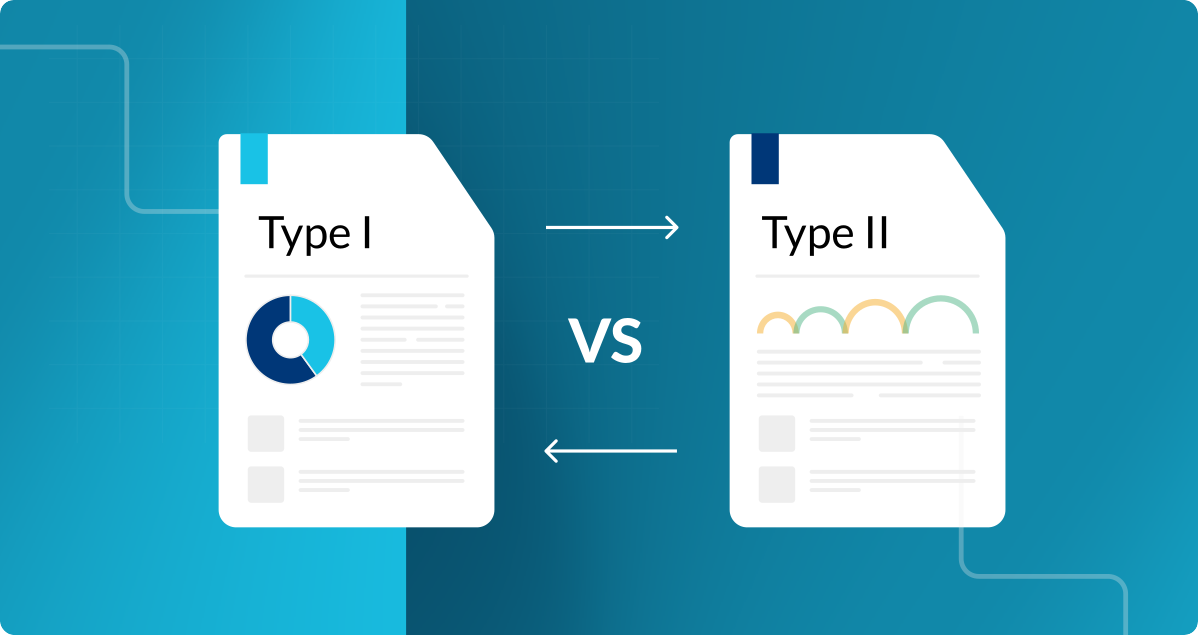
- SOC 2 Type I is cheaper and faster for urgent needs, whereas Type II is more detailed and ideal for long-term trust and growth.
- Type II audit windows vary from 3 to 12 months. Longer windows indicate more maturity.
- Startups usually begin with Type I and then move to Type II as they scale.
Introduction
If you’ve been Googling things like “Do I need SOC 2 Type 1 or Type 2?” you’re not alone. It’s one of the most common questions we hear from businesses tackling SOC 2 for the first time.
Whether you're a fast-growing SaaS start-up, a fintech navigating due diligence, or a healthcare platform handling sensitive data, getting a clear handle on the difference between Type I and Type II can save you serious time, money, and frustration.
SOC audits are governed by the American Institute of Certified Public Accountants (AICPA). Only licensed CPA firms are allowed to perform the audits. Both SOC 2 Type I and Type II are built on the Trust Services Criteria, which includes Security, Availability, Confidentiality, Processing Integrity, and Privacy.
We are living in times where the average cost of a data breach has reached $4.4 million, as per the IBM 2025 DBIR report, indicating that SOC 2 compliance is not about meeting requirements, but a competitive necessity.
In this blog, we’ll break down what sets SOC 2 Type 1 vs Type 2 apart, what your clients are probably expecting from you, and how to decide which one makes the most sense based on where you are in your journey.
Let’s start with the basics.
What is the Difference Between SOC 2 Type 1 and Type 2?
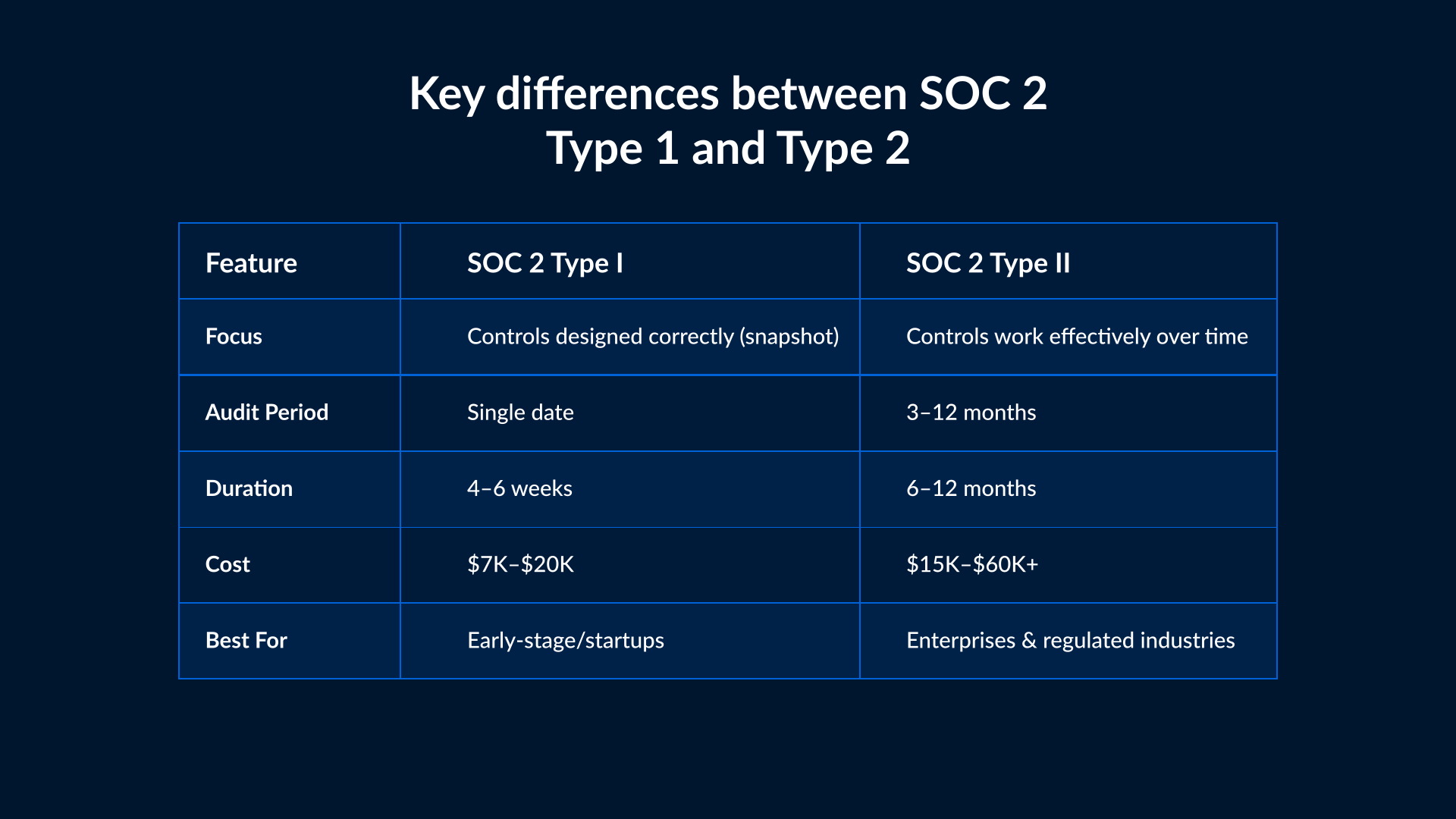
SOC 2 Type I is like a snapshot. It looks at whether you’ve designed the right security controls as of a particular day. In other words, do you have the right policies in place? Are your access controls, encryption, backups, and vendor management practices set up correctly? It’s a point-in-time check, but it doesn’t ask whether those controls are being followed day to day.
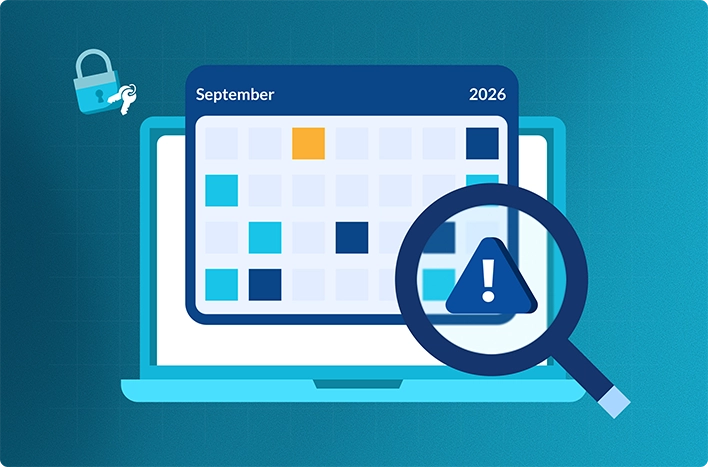
SOC 2 Type II is more like a time-lapse. It evaluates whether your controls work in practice, consistently, over a period (typically 3, 6, or 12 months). Auditors will look at real-world evidence such as logs, incident responses, code approvals, and user offboarding history.
To keep it simple:
- Type I says: “Our controls are designed properly.”
- Type II says: “Our controls are designed and they work, reliably, over time.”
Here is a tip: when a prospective customer asks, “Can you send us your SOC 2 report?”, they almost always mean Type II, unless they specifically say otherwise
How Long Does a SOC 2 Type 1 vs Type 2 Audit Take?
Time is often the deciding factor.
- SOC 2 Type I is faster. If your controls are already set up and documented, you can wrap them up in about 4 to 6 weeks, sometimes even quicker.
- SOC 2 Type II takes longer because it requires that your controls operate effectively over time. If you're doing a 6-month audit window, you need to run your systems with proper logging and processes for those 6 months before the audit even starts. The audit itself then takes another month or two.
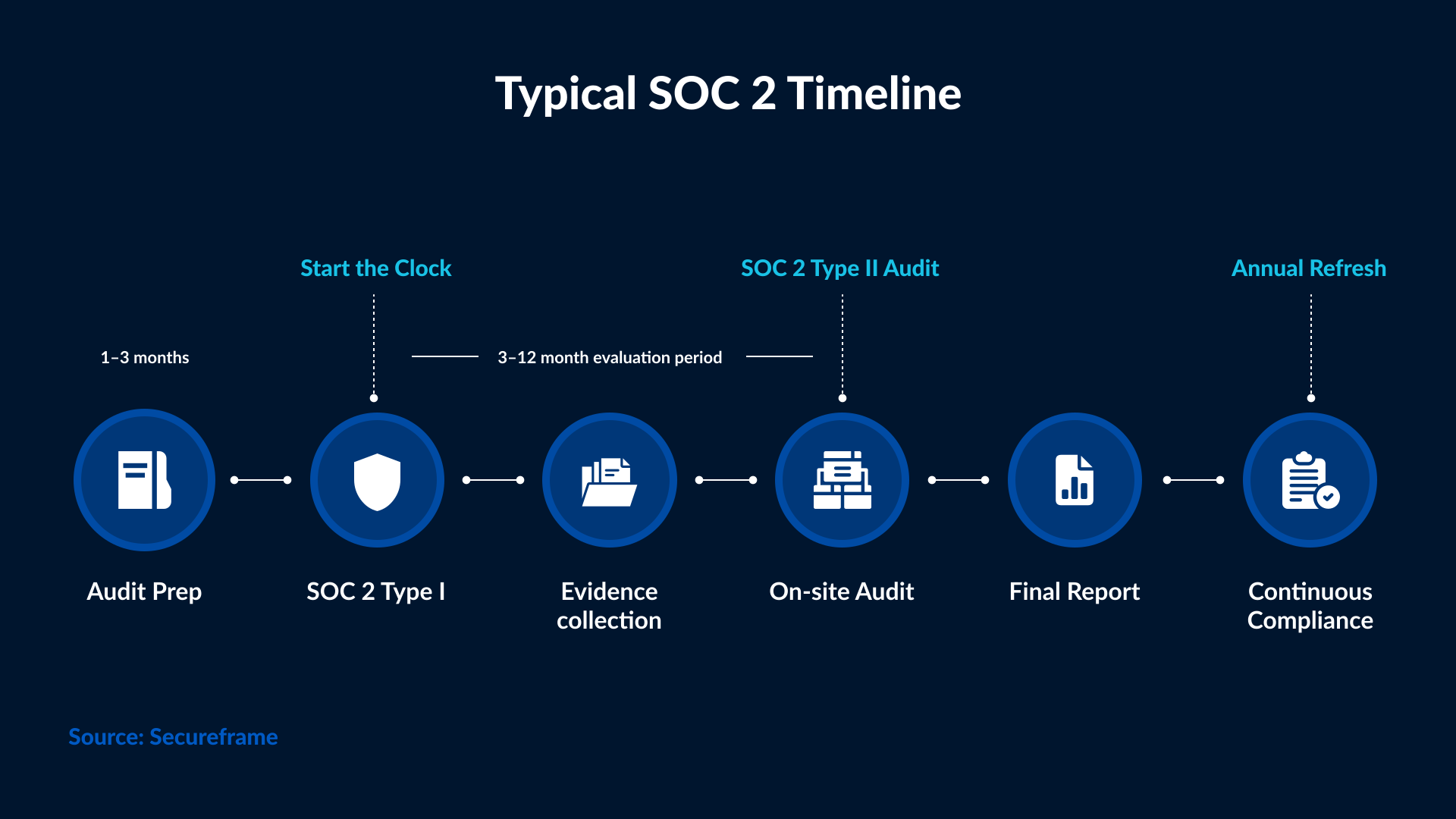
So end-to-end, Type II can take anywhere from 6 to 12 months, depending on your monitoring window and how prepared your team is.
If you’re up against a deadline, maybe trying to close a deal or satisfy a due diligence checklist, starting with Type I is totally fine. Many companies do just that and follow up with a Type II once things mature.
Cost Comparison Between SOC 2 Type 1 vs Type 2
Let’s talk money!
SOC 2 Type 1 is generally more affordable. You’re looking at somewhere between $7,000 and $20,000, depending on your environment's complexity and the firm you work with.
SOC 2 Type 2 is more involved and naturally costs more, usually $15,000 to $60,000+. That’s because the audit spans several months and involves a lot more evidence and documentation.
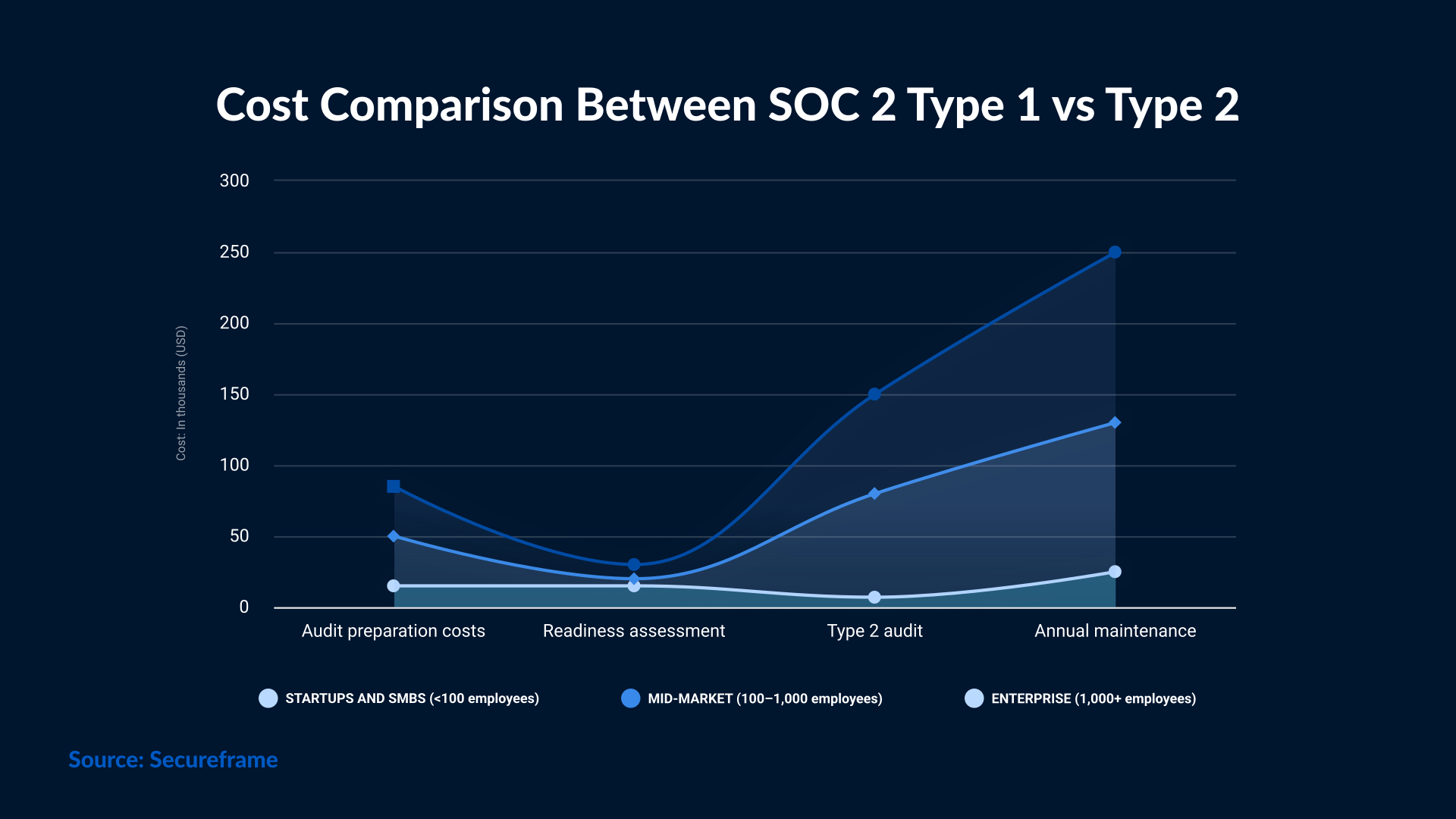
But these numbers are just for the audits. SOC 2 compliance also involves related costs that scale with company size:
- 1. Audit Preparation Costs: Writing policies, training employees, and setting up processes can add $15K–$85K, depending on whether you’re a startup or an enterprise.
- 2. Readiness Assessment: Many companies do a readiness check before the actual audit. This can cost between $15K–$30K, and it helps spot the gaps early.
- 3. Type 2 Audit Fees: Range from $7K for SMBs to $150K+ for large enterprises.
- 4. Annual Maintenance: Compliance doesn’t stop at the first report. Ongoing monitoring and yearly refreshes can cost anywhere from $25K to $250K.
When Should You Choose SOC 2 Type 1 Over Type 2 (And vice versa)?
Here’s a quick breakdown to help you decide:
1. Go with SOC 2 Type 1 if:
- You’re an early-stage company just starting to build trust with customers.
- You need something fast to show clients, investors, or partners.
- Your security controls are in place but aren’t running long enough for a full Type II audit.
- You want to kickstart your compliance journey and build from there.
Type 1 is kind of like saying: “We’ve built the foundation. Here’s proof we’re taking security seriously.”
2. Choose SOC 2 Type 2 audit if:
- Your controls have been live and active for at least 6 months.
- You're selling to enterprises, regulated industries, or security-conscious customers.
- You need to prove long-term operational maturity, and not just setup.
- You want a competitive edge in sales conversations or vendor assessments.
Type 2 basically says: “Our controls don’t just exist, we’ve been following them, and we have the evidence to prove it.” This kind of assurance opens a lot more doors.
Conclusion
Whether to choose SOC 2 Type I or Type II depends upon where your business is in its compliance journey. If you need a quick validation and proof that your security controls are in place, then Type I is good for you. But if you want to gain the trust of enterprise or regulated customers, opt for Type II.
Many companies start with Type 1 to gain momentum and then go for Type 2 for long-term credibility. Just pick what makes sense for where your business is right now. SafeAeon provides support for both Type I and Type II audits. You can get in touch with experts to select the report that best fits your business needs.