

Key Takeaways
- According to Ponemon research, 68% of firms experienced one or more endpoint attacks in 2024 that compromised data or infrastructure.
- In Q3 of 2024, there was a 300% increase in endpoint malware detections compared to earlier in the year.
- In 2024, 92% of healthcare IT security teams reported at least one cyberattack. This indicates ongoing threat activity across various sectors. (Nord Layer)
Introduction
Endpoint management is an important part of network protection in today's digital world because everything is connected. As more devices, like computers, smartphones, and Internet of Things (IoT) gadgets, appear on the market, it becomes harder for businesses to keep their networks safe. A study from IDC in 2023 on cybersecurity says that over 70% of data breaches are caused by endpoints that have been hacked. This number shows how important it is to use strong endpoint management techniques to keep your network and sensitive data safe.
Endpoint management is more than just keeping track of devices; it also involves making sure that all linked endpoints follow strict security rules. Companies can make it easier to keep an eye on devices, make sure they follow the rules, and quickly react to threats by combining unified endpoint management (UEM) solutions. Endpoint management that works well not only lowers risks but also speeds up operations by automating regular tasks and giving you real-time information about all your devices.
Techniques That Work Best for Full Endpoint Security
Businesses need to use a mix of technical controls, strategic planning, and user knowledge to make sure all of their endpoints are safe. For starters, make sure that strict authentication methods like biometric access and multi-factor authentication (MFA) are followed. Update your software and fix any bugs on a regular basis to stop hackers from taking advantage of you.
Use unified endpoint management tools to make managing devices on a variety of operating systems and platforms easier and to center control. Regular training programs that teach workers how to spot phishing attempts and stay safe online are a good way to promote a culture of cybersecurity awareness.
Finally, establish continuous monitoring and incident response processes to find and stop threats before they get worse. By following these best practices, businesses can build a strong endpoint security system that not only keeps data safe but also ensures they follow the rules set by the industry.
Modern endpoint control solutions can help you keep all of your devices safe, your data safe, and you ahead of cyber threats.
What does Endpoint Device Security mean?
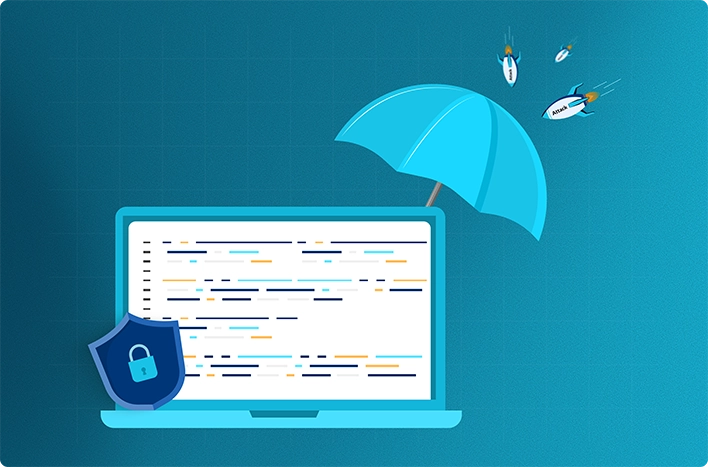
Endpoint device security is the process of keeping computers, tablets, and other devices safe from many types of cyber threats. Hackers are persistent and hit every few seconds, which makes your endpoints easy targets. Endpoint security solutions work to reduce weaknesses, close holes, and keep business networks safe from possible breaches.
These options make it easier for your security team to work together, find and deal with risks quickly, and see what's going on across your entire infrastructure. Endpoint device security is important for companies to avoid surprises from cybercriminals and to protect themselves in a seamless and proactive way.
Why Endpoint Devices Need to be Protected
Endpoint devices let you get into a company's systems and information. Surprisingly, endpoints are where 90% of successful hacks and 70% of data breaches start. Hackers take advantage of weak spots, especially when companies only use old protection software or centralized security measures.
More businesses are letting employees work from home and on the go, which means more connections and a greater need for multi-layered security solutions. These solutions not only keep data safe, but they also make sure that companies follow the rules in their business. This protects their reputation and keeps them from having to pay a lot of money for problems.
If you don't protect endpoints, new threats can get in and threaten the data that modern companies depend on. Endpoint device security gives businesses the multiple layers of safety they need to fight both internal and external threats.
Different Types of Endpoint Devices
IoT devices, including smart wearables and connected appliances, are common examples of endpoint devices. Other devices include computers, smartphones, tablets, and other IoT devices. There are also servers, printers, scanners, databases, and virtual tools that fit this description. These gadgets make people more productive and connect ecosystems, which is important for running a business today.
Devices That Aren't Endpoints
Gatekeepers and routers are examples of non-endpoint systems that connect networks and endpoints without actually being endpoints themselves. Switches, load balancers, and network hubs are some other examples.
How Does Security for Endpoint Devices Work?
Endpoint device security uses advanced technologies, tools, and methods to find, react to, and stop threats on devices that are connected to networks. The AI and machine learning systems in it help find and stop risks in real time.
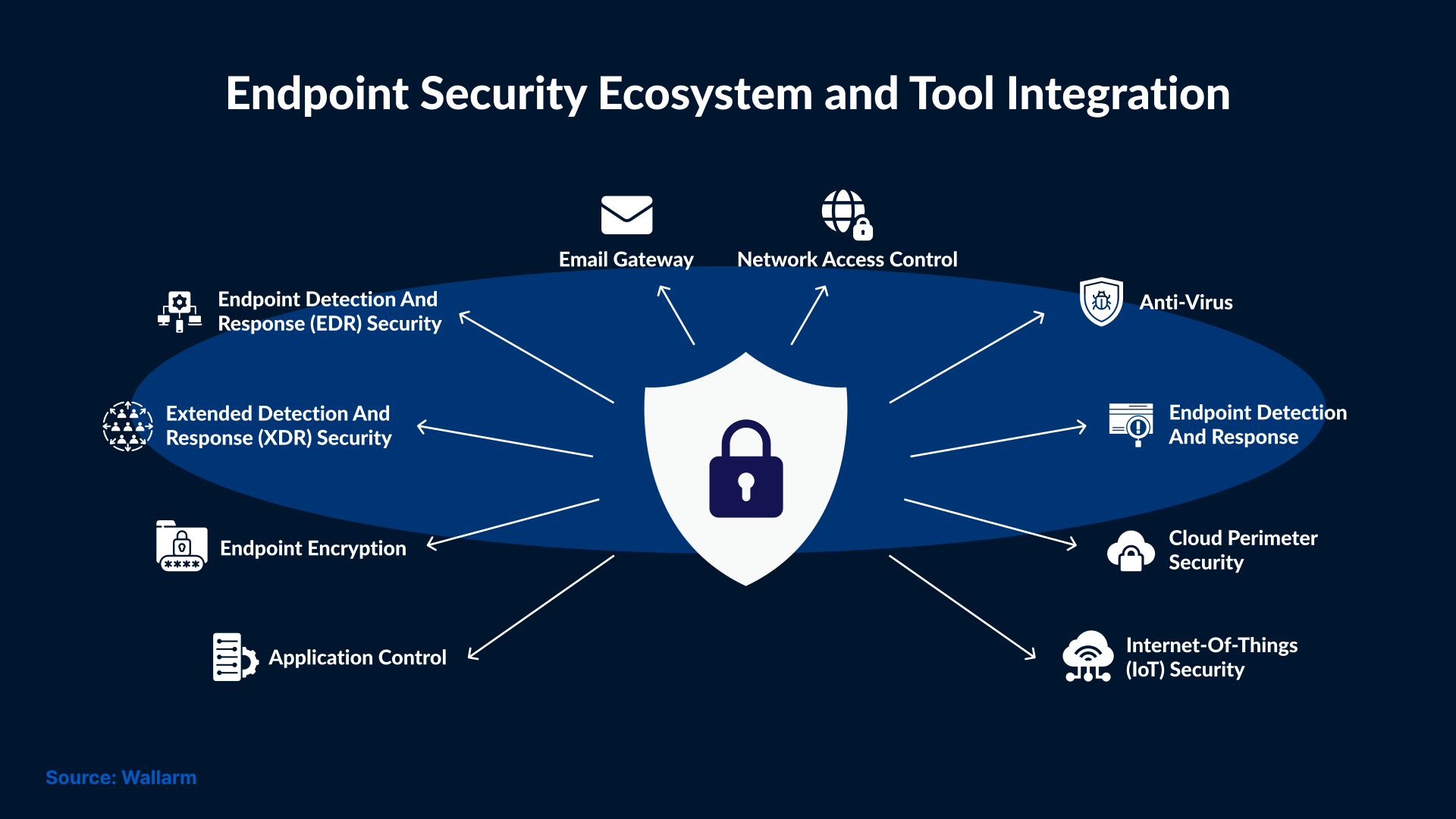
This security system stops people who aren't supposed to be there from getting in, applies strict rules, and includes incident response tools to keep infected devices from spreading malware. It gives IT teams specific analytics that help them handle future threats well.
How to Keep Endpoint Devices Safe
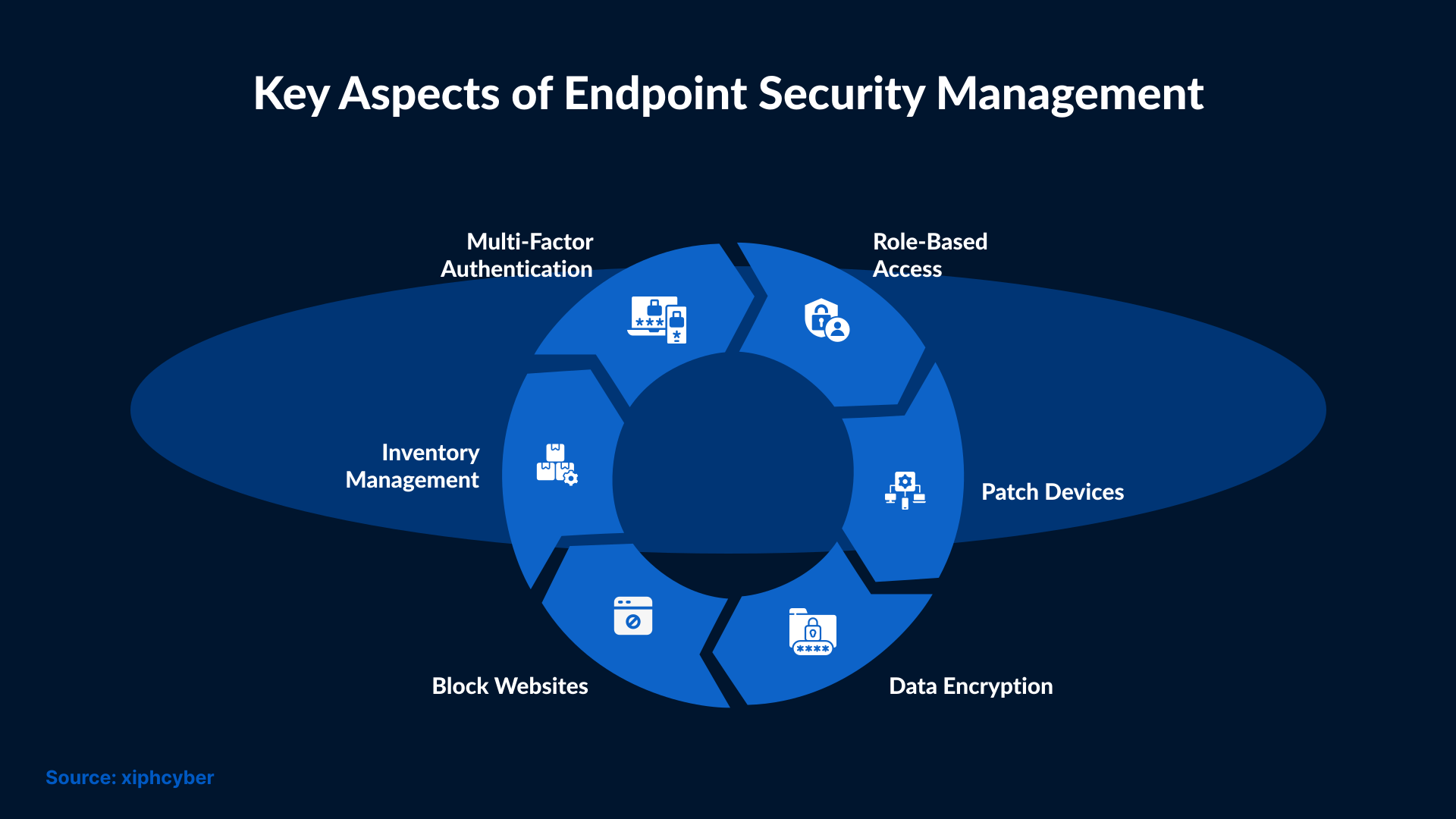
Endpoint security needs a multi-layered approach. Here’s how you can keep endpoint devices safe:
Teach your employees
Teach your staff how to use strong passwords, stay safe online, and avoid scams and other forms of social engineering. Employees who know what's going on are the first line of defense.
Updates and patches must be used
To keep gadgets safe, make sure to regularly update software, fix security holes, and do preventative maintenance.
Adopt a Zero Trust security model
Strong security and multi-factor authentication should be used. Operate under the assumption that endpoints may already be compromised.
When organizations use these steps along with proactive endpoint management, they can successfully protect devices and lower risks. Stay tuned for more strategies in the parts that are coming up.
Advantages of Endpoint Device Security
Endpoint device security has many perks that are necessary to keep modern businesses safe, including:
Better visibility: fully understand your company's assets and make security controls for all company devices easier to access from one place.
Access Management: Use Zero Trust Network Access (ZTNA) controls to stop devices, users, or infected systems that don't follow the rules. This way, only approved people can get in.
Stopping Data Loss: Keep private information safe and keep an eye out for ransomware, data theft, and other bad things to make sure there is no loss risk and that business as usual continues.
Savings on costs: Endpoint security solutions are a good way to avoid big fines from regulators, problems with operations, and downtime. They are also a cheap investment that will pay off in the long run.
Endpoint Devices Face Major Security Risks
Endpoint devices face a number of serious threats that need to be dealt with right away:
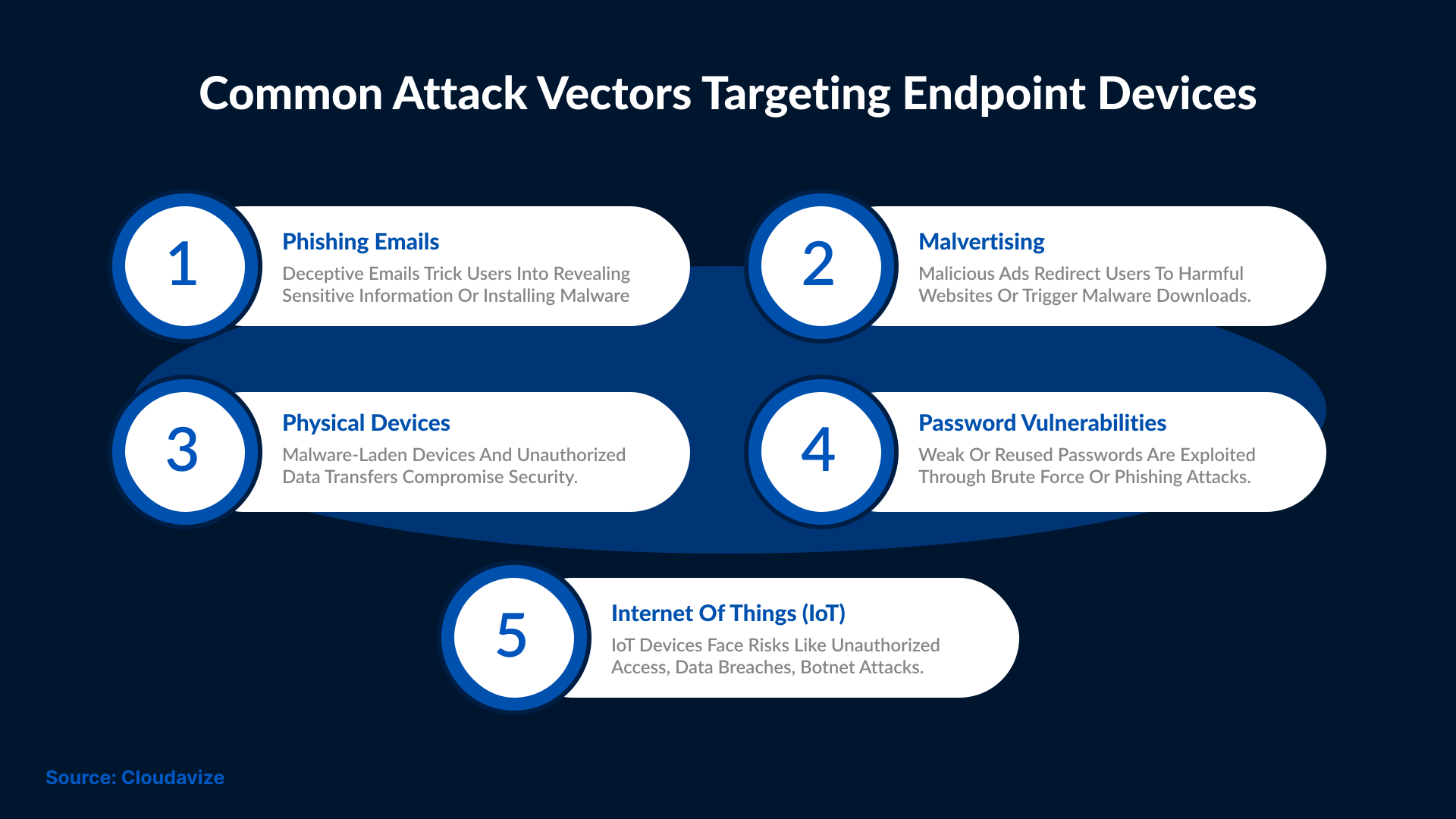
Spoofed Emails: Phishing emails with harmful links look like they come from real sources. They use SMS, social media, or phone calls to trick people. Be careful and make sure all interactions are correct.
Business Email Compromise: Cybercriminals send fake requests for money transfers or bills to take advantage of people's trust by doing a lot of research on the company and its hierarchy.
Threats from insiders and bad handling: Employees may accidentally share private files with others, or in rare cases, bad people inside the company may use data to make money. Set strict rules for how to handle info.
Stolen Endpoints: Stolen devices that aren't encrypted or aren't properly locked down pose a big risk of exposing private company data.
Malware threats: Malware includes trojans, ransomware, rootkits, and fileless malware. It is usually spread through drive-by downloads or social engineering.
Mobile devices that aren't secure: weak messaging platforms, apps that don't give you enough rights, and Wi-Fi connections that aren't safe all make mobile endpoints more dangerous.
Best Practices for Endpoint Device Security
Companies should follow these best practices to make computer security stronger:
1. Name, locate, and keep an eye on assets
Keep a thorough list of all endpoints, including networks, devices, and mappings. Find the endpoints that store important data and keep an eye on how they're being used to build a strong security system.
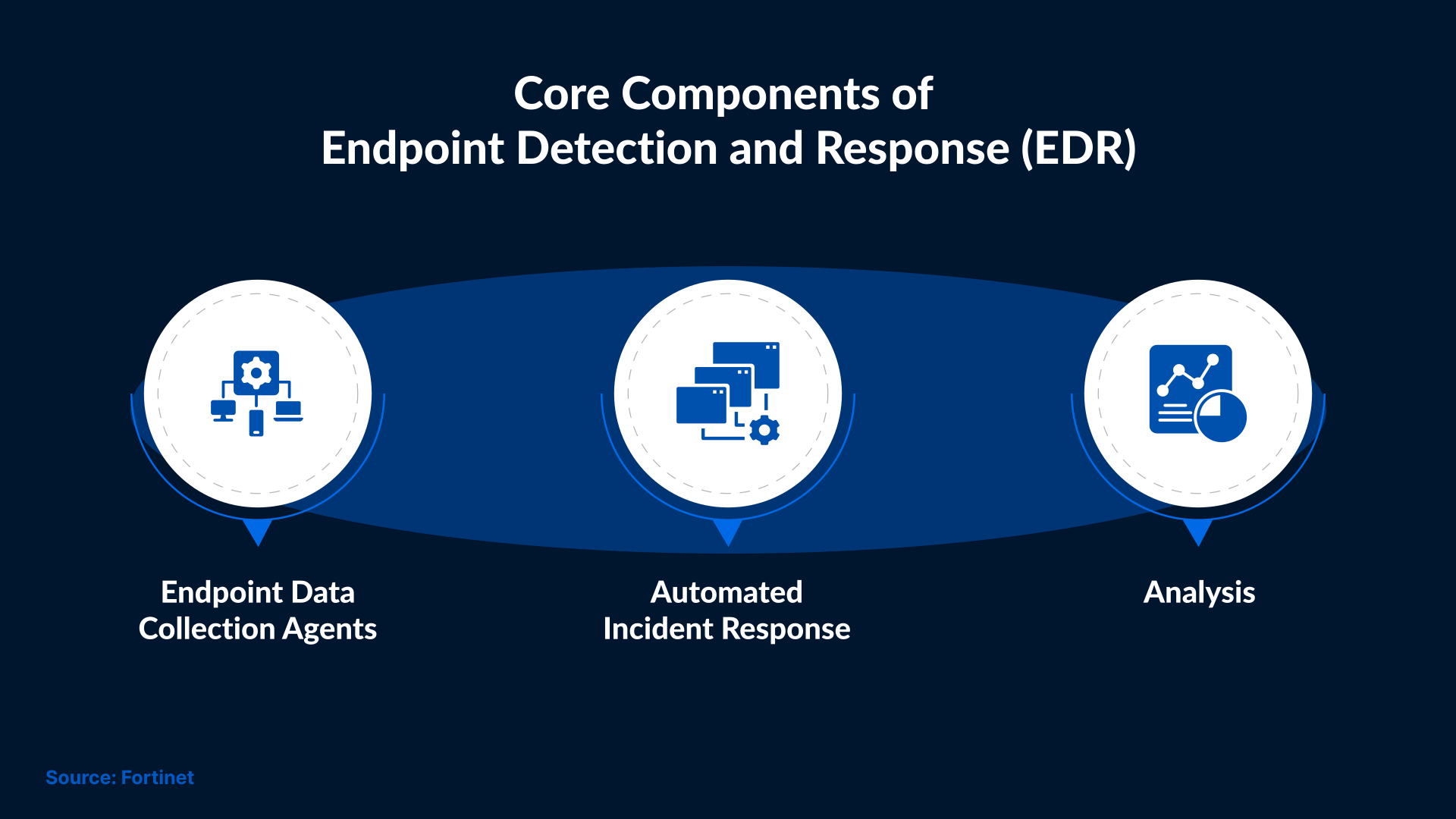
2. Use EDR to go through endpoints
Teach your staff about good safety habits, like using strong passwords and more than one way to log in. Endpoint Detection and Response (EDR) tools let you keep an eye on what users are doing, keep an eye on threats, and set up automatic reactions to breaches.
3. Repair and patch every time
Fix bugs and security holes by automating software and firmware changes. Attackers can't use old systems against you when you patch them regularly.
4. Use hardened browsers, secure email clients, and integrated SIEM platforms
Use browsers, email clients, and endpoint backup options that are safe. Security Information and Event Management (SIEM) solutions can be used to watch and analyze threats in real time, and VPNs can be used to encrypt internet traffic.
5. Use tools for content disarming and reconstruction (CDR)
Threats from harmful files, inactive accounts, or hidden content can be stopped by CDR tools. They ensure protection without hurting the work of employees or the efficiency of operations.
By following these best practices, businesses can protect their endpoints, lower their risks, and make sure their processes run smoothly.
Conclusion
Endpoint management is important for keeping your network safe from possible risks and making sure that all of your devices work properly. Organizations can improve their security and stay in compliance by using best practices such as unified endpoint management, strong authentication methods, regular software updates, and constant monitoring. These proactive tactics not only keep private information safe, but they also make operations run more smoothly overall.
Are you ready to protect your networks and devices with full endpoint control solutions? If you work with SafeAeon, they can give your company cutting-edge tools and advice for making the internet safer. Improve the way you handle your devices today to stay one step ahead of cyber threats.