

Key Takeaways
- A 2024 joint advisory from CISA, NSA, FBI, and international partners found that 11 of the top 15 exploited vulnerabilities in 2023 were first used as zero-days. (NSA)
- Third-party involvement has appeared in15% of breaches, a 68% increase from the previous year. This shows the importance of clear scoping and coordination during security testing. (Verizon DBIR)
Introduction
Organizations use multiple systems, applications, and user accounts daily. Such a vast and diverse environment can be prone to cyberattacks. This is the reason security teams are constantly looking for systems that may be exposed to cyberattacks. Penetration testing can be useful in that regard. It shows where an attacker could find a weakness and how far it could extend.
But penetration testing is not as easy as one would think. It needs the right coordination. Testers may need access, scope details, or quick answers during the process. This can only be provided by a dedicated penetration test point of contact. It can bridge the gap between testers and an organization's internal security team, ensuring tests stay organized and within the approved scope.
The Role of the Penetration Test Point of Contact
The penetration test point of contact is the main communication link between the organization and the penetration testing team. It ensures the testing process runs smoothly and that all involved parties are well-aligned and up to date.
Consider the point of contact as a liaison that provides the penetration testing team with information, tools, and approved access required to perform the test. They also share progress updates with the right internal teams and respond to any questions or concerns that arise.
Every successful penetration testing engagement must have a specific point of contact for the test. This person will help coordinate the testing process and ensure clear communication. The person will also be responsible for approving access for testers.
What is a Point of Contact in a Penetration Test?
A penetration test point of contact is a person who is responsible for coordinating between the organization being tested and the penetration testing team. The testing team can be the organization's internal security team or external consultants.
The role of the point of contact is to ensure smooth engagement, which is done by managing communication, coordinating approved access to required systems, and resolving issues during the testing process.
A tester usually works for the organization and understands its technical infrastructure, security policies, and internal procedures. A tester may be from an IT, security, or compliance team.
What Makes a Point of Contact So Important for Penetration Testing?
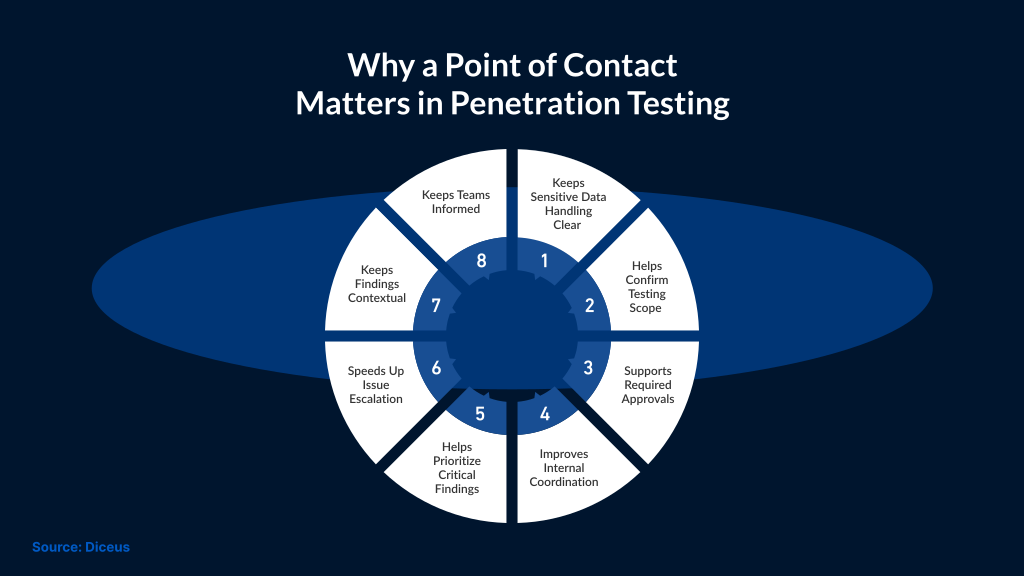
There are many important reasons that make a penetration test point of contact necessary for the test to be successful:
1. Makes communication easier
A penetration test needs clear communication between the testing team and the organization. This is handled by the point of contact, which keeps that communication in one place. In addition, they can share updates when needed and address any questions during the test.
2. Makes it easier to access resources
Testers usually need approved access before they can begin their work. The point of contact helps arrange the required access and supporting details. This keeps the test moving without unnecessary delays.
3. Manages the test goals and scope
The point of contact helps confirm the devices and apps within the test scope. This is important because some systems may be sensitive or out of scope. A clear scope helps the testing team stay within approved limits and reduces the risk of business disruption.
4. Coordinates the response to findings
After identifying the vulnerabilities, the next step for the point of contact is to work with internal teams to address all the issues. They want everyone to understand the severity of each finding in order to properly track and carry out remediation efforts.
Key Responsibilities of a Penetration Test Point of Contact
1. Setting the goals and scope of the test
Before testing starts, the point of contact coordinates with internal teams and the testing team to define the test goals and boundaries. This is done to ensure that everyone knows what needs to be tested and what won’t, along with what the test is expected to achieve.
2. Coordinating approved access
The point of contact helps coordinate approved access by providing the testing team with required test credentials, allowlisting approved IP addresses, and ensuring testers have the permissions they need to perform the test.
3. Handling test interruptions and business impact
If there is a problem during the test, such as security alerts being triggered, the point of contact helps manage the situation and ensures plans are in place to maintain business stability.
4. Handling interruptions to tests and keeping the business running
If there is a problem during the test, such as setting off security alarms, the PoC helps handle the situation and ensures plans are in place to maintain business stability.
5. Coordinating remediation after the test
After the test, the point of contact ensures the appropriate teams work together to fix the issues, verifies whether vulnerabilities have been remediated, and may coordinate follow-up testing if needed.
How to Choose the Right Penetration Test Point of Contact
1. Technical Knowledge
To communicate effectively with the testing team and understand technical details, the point of contact should be familiar with the organization’s IT infrastructure, security controls, and architecture.
2. Understanding of security and compliance requirements
The point of contact must be able to understand relevant compliance requirements, like PCI DSS for payment environments and SOC 2, which is to ensure internal control expectations related to frameworks. This becomes even more important when planning tests that involve sensitive data or regulated systems.
3. Good communication skills
The point of contact must clearly communicate the test goals. This includes keeping everyone up to date and ensuring alignment between the right teams throughout the process.
4. Decision-making authority
To help the test run smoothly, the point of contact should have the authority to make or coordinate decisions related to approved system access, test timing, escalation, and scope changes.
Stages of a Penetration Testing Engagement
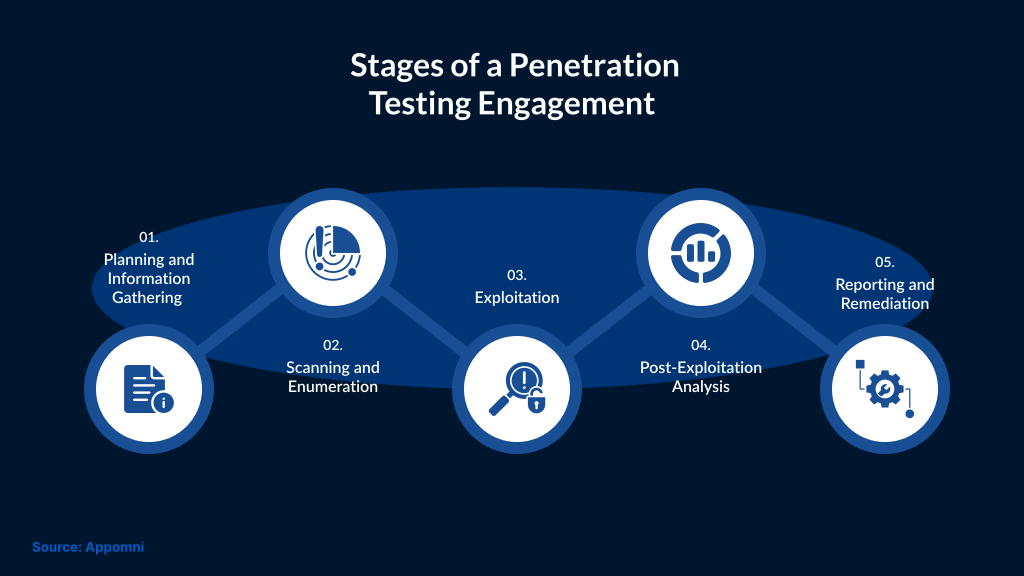
1. Planning and reconnaissance
In the first stage of penetration testing, the testing team works with the point of contact to:
- Choose the systems that will be tested, the testing methods that will be used, and the test goals and limits.
- Gather information about the target, such as network details, domain names, and mail servers, to understand the environment and identify possible weaknesses.
2. Scanning and vulnerability analysis
At this stage, testers check the response of applications or systems targeted to different test activities. For application testing, testers will do the following:
- Static analysis, which reviews application code to identify possible security issues.
- Dynamic analysis, which tests an application while it is running to understand its behavior during active testing.
3. Exploitation
At this point, testers can safely validate approved vulnerabilities like SQL injection, cross-site scripting, or insecure access controls. They are trying to understand the potential impact of weaknesses such as privilege escalation, sensitive data exposure, or unauthorized access.
4. Post-exploitation validation
Testers also validate whether any weaknesses allow attackers to maintain unauthorized access or to reach sensitive systems. This helps organizations understand the real impact of the vulnerability on business operations.
5. Reporting and analysis
In the last stage, the findings are put together into a full report that includes:
- Exploited vulnerabilities
- Evidence of potential access to sensitive data
- Business impact
- Recommended remediation steps
Types of Penetration Testing
1. External testing
In external testing, the main focus is on internal-facing assets like websites, web applications, email services, and externally exposed systems. The goal is to find and confirm weaknesses that an external attacker could exploit.
2. Internal testing
Internal testing uses a tester who simulates an attacker with network access. This may include testing scenarios where an employee account is compromised, credentials are stolen, or an insider misuses access.
3. Blind testing
In a blind test, the tester has little information about the organization being tested. This limitation helps simulate how an external attacker may begin with minimal knowledge of the target.
4. Double-blind testing
This is similar to blind testing in that the tester has limited information about the organization. On top of that, the organization's security team is also not fully informed about the timing or details of the simulated attack. This lack of information helps test detection and response capabilities under more realistic conditions.
5. Targeted testing
During targeted testing, the tester and the security team work together and share information throughout the process. This method can be useful for training because it provides security staff with real-time feedback and insight from the tester’s perspective.


Conclusion
With a dedicated penetration test point of contact, organizations can coordinate and control the testing process. The point of contact supports communication between internal teams and external testers. This leads to fewer misunderstandings and faster issue resolution during the engagement. It also helps keep the business stable by coordinating approved access, tracking findings, and supporting remediation efforts after the test. With proper coordination, organizations can achieve greater value from penetration testing. The test findings can be used to improve security. SafeAeon can help organizations seeking structured support for penetration testing coordination by aligning testing activities with security goals, remediation priorities, and operational needs.